Washing Hands After Touching Reptiles: Why It Matters
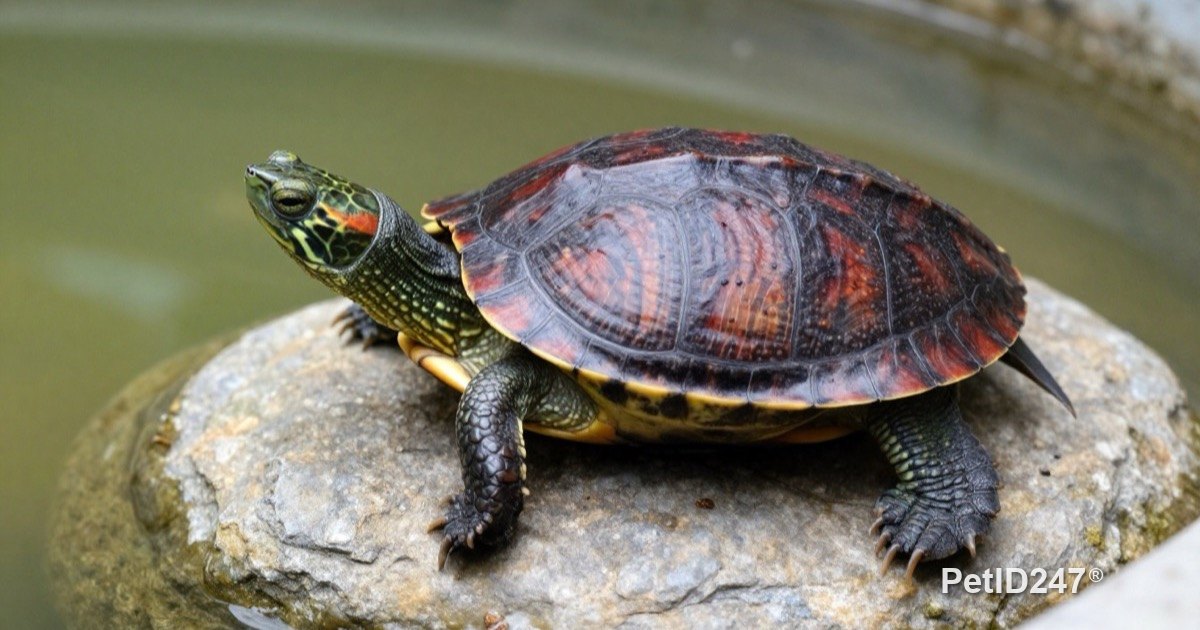
AI-generated illustration
Healthy reptiles can still carry Salmonella bacteria that make people sick. Learn the risks, who needs to be most careful and simple hygiene habits for the whole family.
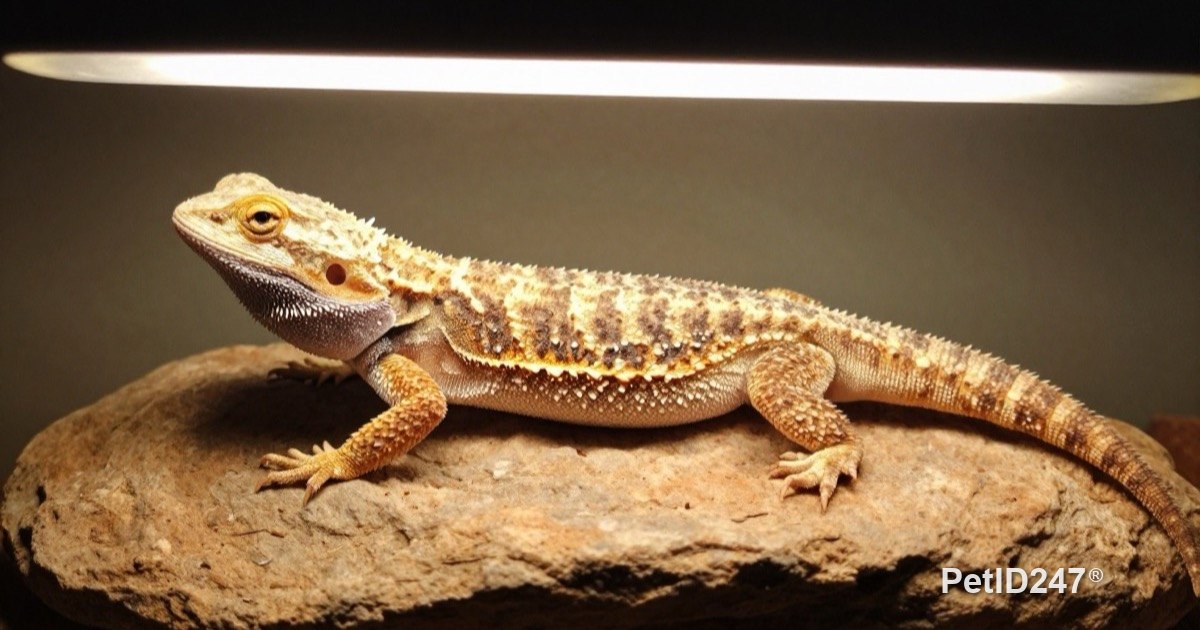
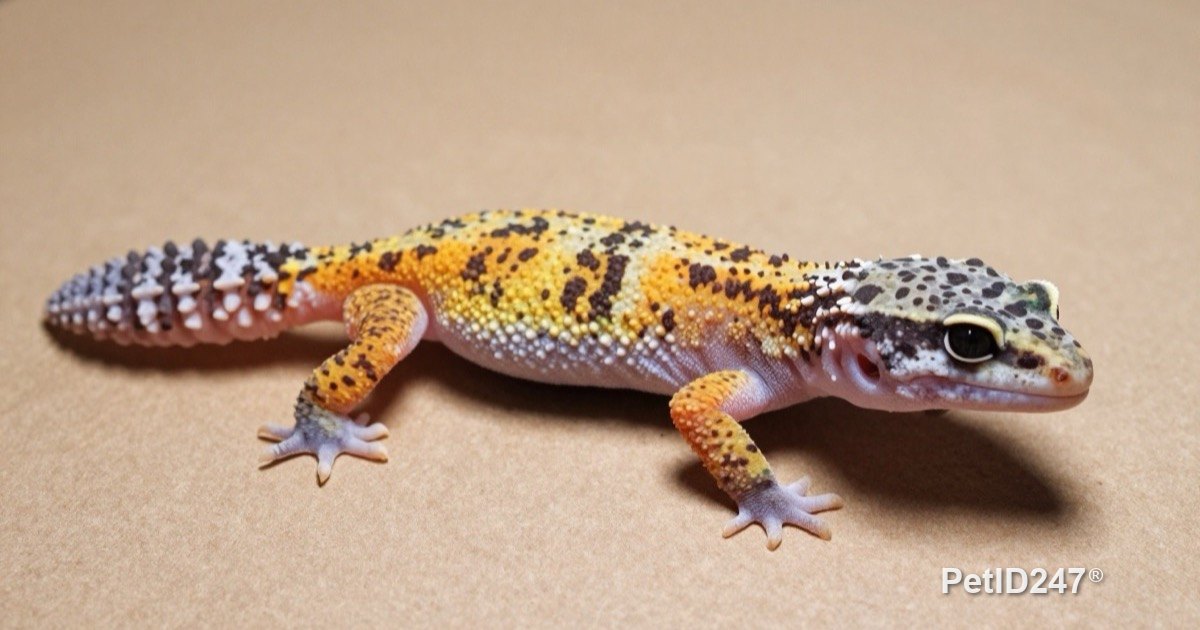
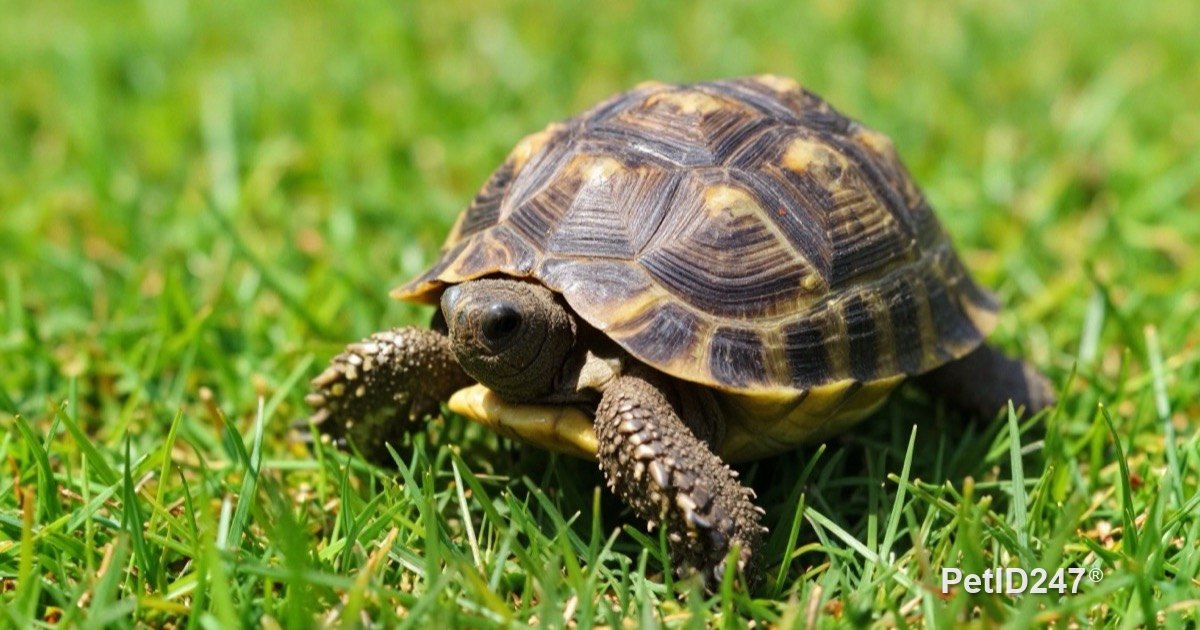
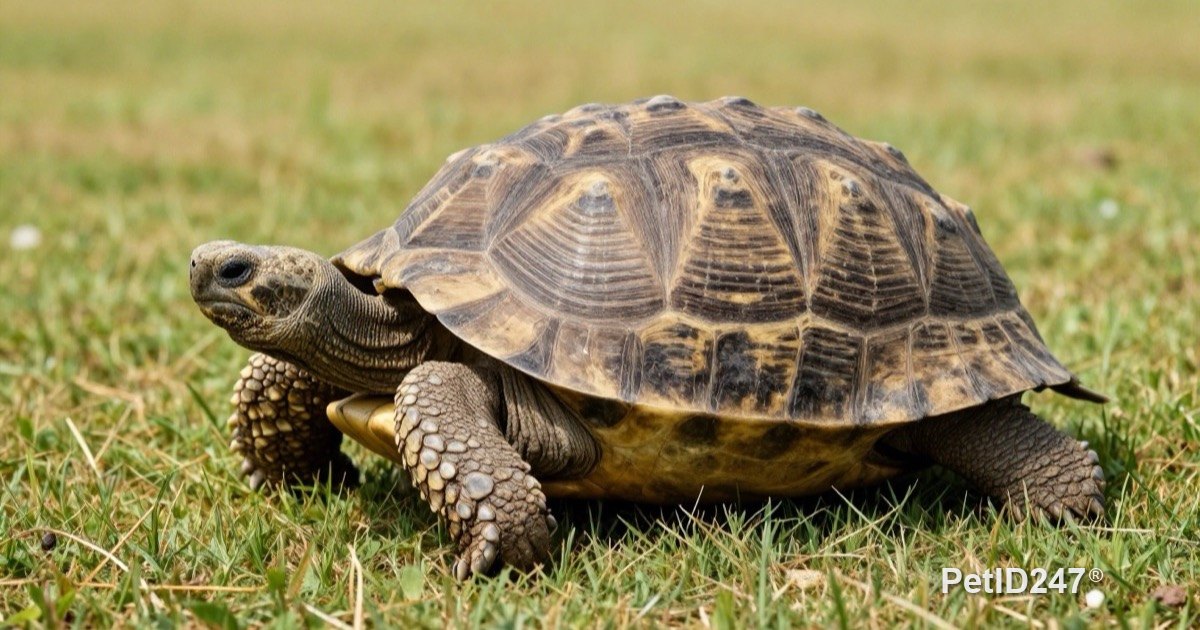
Turtles, snakes and lizards look clean, with no fur and no smell, so many people assume they don't carry germs. In fact, perfectly healthy reptiles can carry bacteria that make people ill. The good news is that a few simple hygiene habits let you keep reptiles safely with your whole family.
Salmonella: a common bacterium in reptiles
Many reptiles carry Salmonella bacteria in their gut as a normal part of their gut flora. The animal usually shows no sign of illness and eats and sheds normally. The bacteria are passed in the droppings, sometimes in larger amounts and sometimes smaller, and can end up on the animal's skin, scales or shell, as well as in the water, substrate and equipment.
A few things to understand clearly:
- You can't tell by looking which reptile carries the bacteria. Assume any reptile could.
- Don't give your reptile antibiotics to try to eliminate Salmonella. This usually doesn't get rid of the bacteria and contributes to antibiotic resistance. Any medication for a reptile must be as directed by a veterinarian.
- A single negative test doesn't prove the animal is free of the bacteria, because shedding is irregular.
How the bacteria spread to people
People usually get infected when bacteria on their hands reach their mouth, or when they touch food or kitchen items. Common situations include:
- Holding, stroking or kissing a reptile and not washing hands afterward.
- Changing turtle tank water, cleaning the enclosure, or touching lamps, rocks and decorations.
- Washing tanks or reptile equipment in the kitchen sink or bathroom basin.
- Letting reptiles crawl on dining tables or kitchen counters.
- Young children touching a reptile and then sucking their fingers.
In people, Salmonella infection usually causes diarrhea, fever, stomach cramps and nausea. Most healthy people recover on their own, but some become seriously ill, dehydrated or need hospital care.
You don't have to touch the animal itself to be at risk. The bacteria can survive for a while on dry or damp surfaces around the enclosure, such as cabinet tops, tank lids, cleaning cloths and water buckets. So treat the whole enclosure area as a zone that needs its own hygiene, wipe it down regularly, and never keep food or dishes there.
Who needs to be most careful
Common public health advice is that the following groups are more likely to become seriously ill and should limit direct contact with reptiles:
- Young children, especially those under 5.
- Older adults.
- Pregnant women.
- People with weakened immune systems, for example those being treated for chronic illness or taking immune-suppressing medication.
If your household includes any of these people, think carefully before getting a reptile, and if you already have one, keep the enclosure where they have little contact with it. If you're unsure, ask that person's doctor.
Hygiene habits for the whole family
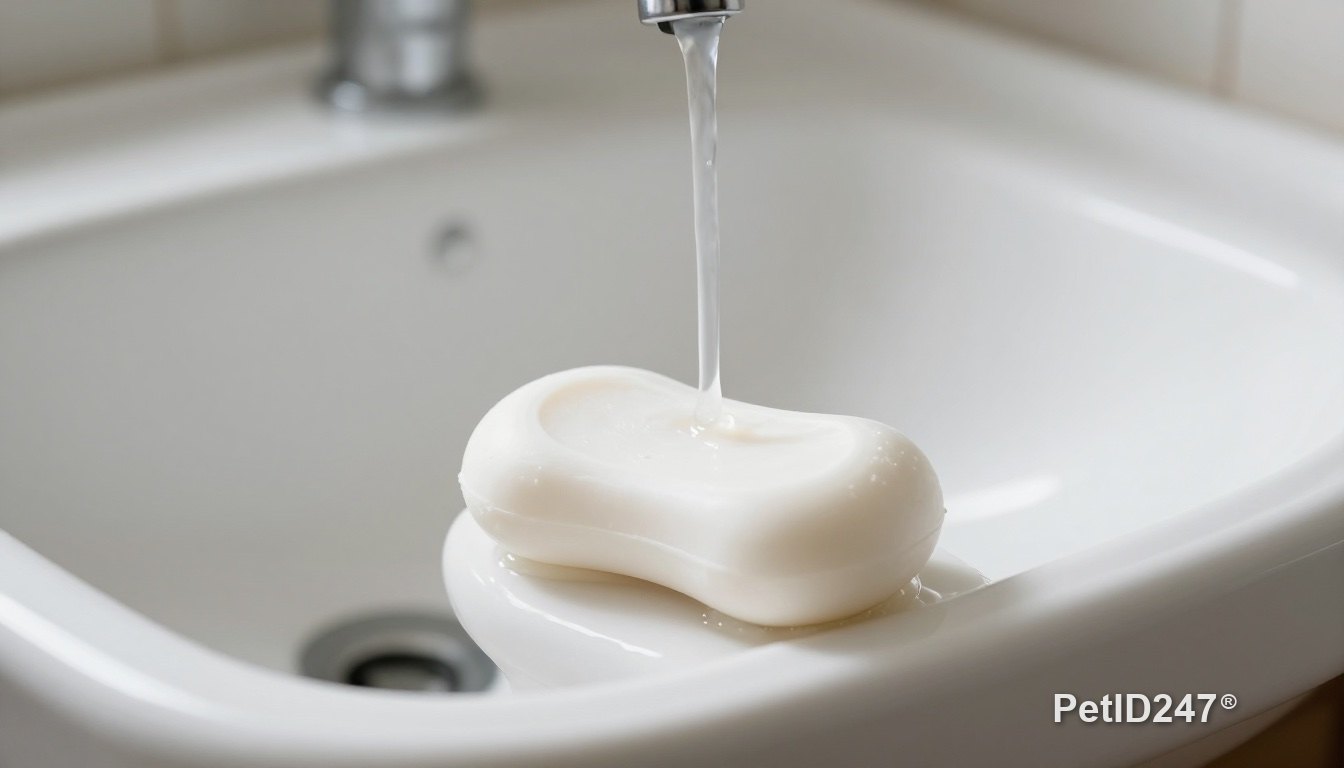
- Wash your hands with soap and clean water right after touching a reptile, its enclosure, tank water, food or equipment. Scrub palms, backs of hands, between fingers and under nails.
- Hand sanitizer is only a stopgap when there is no water; wash with soap as soon as you can.
- Supervise children when they touch reptiles and wash their hands straight afterward.
- Don't kiss reptiles or hold them to your face, and don't eat or drink while handling them.
- Keep reptiles out of the kitchen and food preparation areas. Don't let reptiles roam freely around the house.
- Clean equipment separately: use a dedicated tub and brush, and wash things outdoors or in a separate sink. If you must use the bathtub, scrub and disinfect it immediately afterward.
- Wear gloves to clean the enclosure if possible, and still wash your hands after removing them.
- Choose a clear source: only buy reptiles from a legal source with paperwork, never take them from the wild, and never release them. Wild reptiles may carry more pathogens, and releasing pets can spread disease to native wildlife.
When to see a vet
For people in your household, see a doctor if there is:
- Diarrhea with fever, bloody stools, severe stomach pain or repeated vomiting.
- Signs of dehydration: intense thirst, passing little urine, dizziness or a dry mouth.
- Digestive symptoms in a young child, older adult, pregnant woman or someone with weakened immunity.
Tell the doctor that you keep reptiles at home. This helps them narrow down the cause faster.
For your reptile, see a veterinarian experienced with reptiles if it stops eating, has diarrhea, unusually smelly droppings, loses weight or is lethargic. Never give your reptile antibiotics in an attempt to protect the people in your home.
This article was prepared with the help of artificial intelligence tools and reviewed by the PetID247 editorial team before publication. It is for reference only and does not replace an examination by a veterinarian.