How to Hold and Pet a Rabbit So It Trusts You
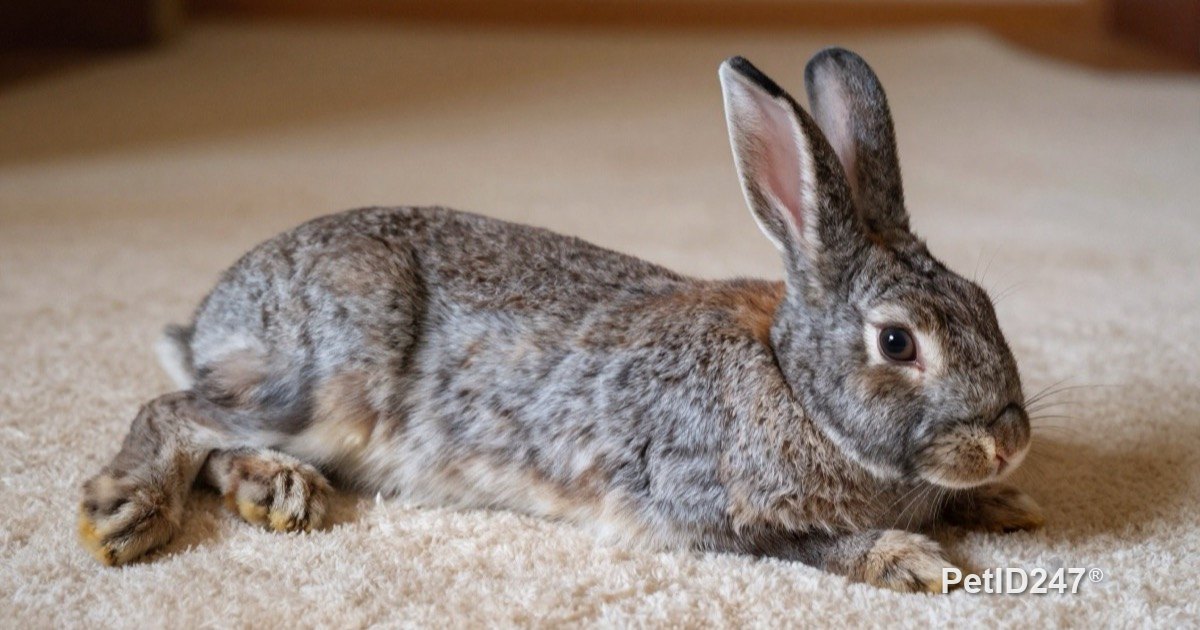
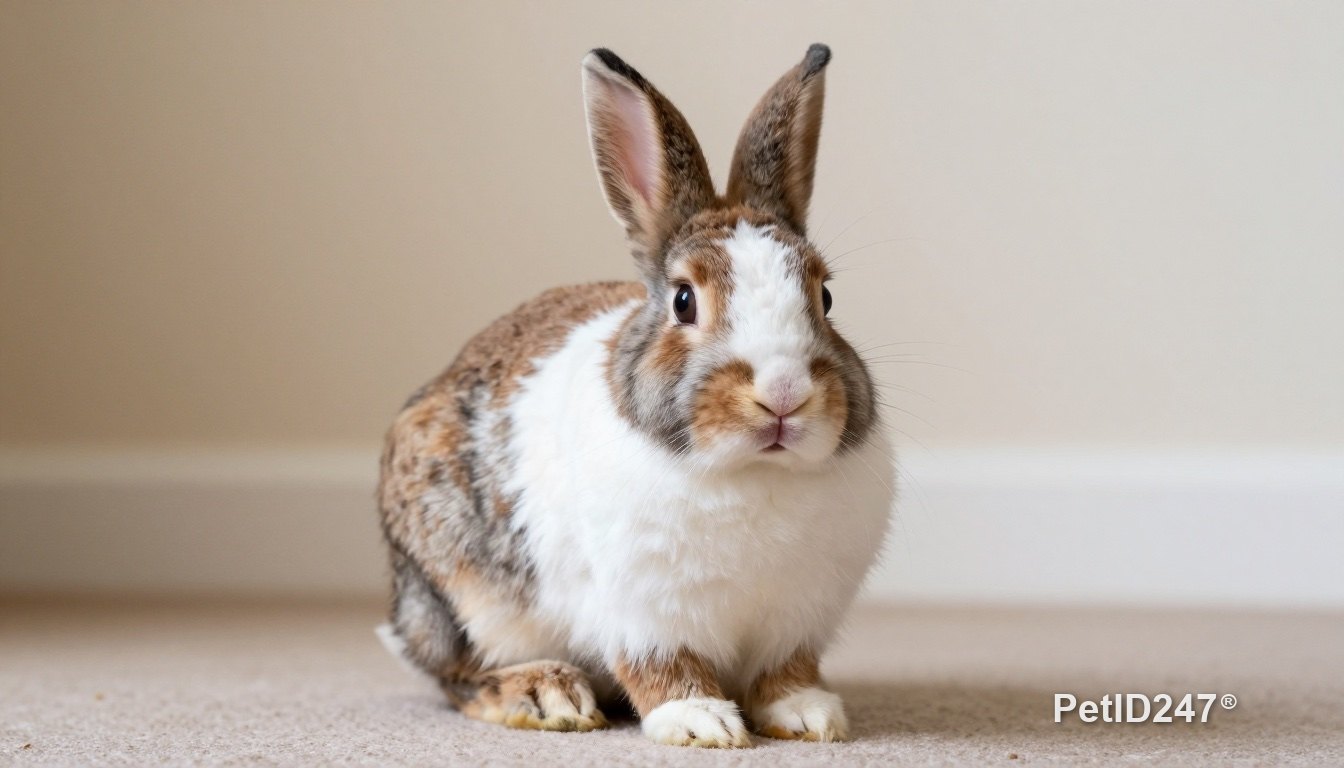
AI-generated illustration
Rabbits are prey animals, so being lifted easily scares them. Learn how to pick up a rabbit safely, where rabbits like to be petted and how to build trust.
Rabbits look soft and cuddly, so everyone wants to hug them. But most rabbits don't like being picked up, and handling them the wrong way can make them panic and kick so hard they injure their spine. Understanding how rabbits think helps you touch them in a way that feels safe, so they gradually come to trust you.
Why rabbits fear being lifted
In the wild, rabbits are prey for birds of prey, dogs and foxes. Being lifted off the ground feels exactly like being caught by a predator. That's why even very tame rabbits may struggle, scratch or freeze when picked up.
Rabbits have light, thin skeletons compared with their very powerful hind leg muscles. One strong kick without proper support can fracture the spine. A rabbit dropped from adult height can also easily break a leg or be seriously hurt.
How to pick up a rabbit safely
Only pick up your rabbit when necessary, such as for health checks, nail trims or putting it in a carrier. When you do:
- Get low: sit or kneel on the floor and approach from the side, not swooping down from above.
- Support the chest: slide one hand under the chest, just behind the front legs.
- Support the hindquarters: put your other hand under the rump and hind legs so they don't dangle and kick.
- Lift gently and hold close: keep the rabbit against your chest, its back straight and hind legs firmly supported.
- Stay low and brief: stay near the floor and hold only as long as needed.
- Set down slowly: let the hind feet touch down first and hold gently for a moment before letting go, so the rabbit doesn't leap from your arms.
Things never to do
- Never lift a rabbit by its ears. Rabbit ears are sensitive and full of blood vessels.
- Don't lift by the scruff or by one leg.
- Don't flip a rabbit onto its back to make it "lie still." A rabbit that goes motionless on its back is usually in extreme fear, not relaxed.
- Don't chase your rabbit around the room. Gently guide it into a small corner or lure it into a carrier.
Petting your rabbit the way it likes
Most rabbits prefer to be touched while on the ground and free to move, rather than when held.
- Places rabbits usually like: the forehead, between the eyes, the cheeks, behind the ears and along the back in the direction of the fur.
- Places many rabbits dislike: the belly, feet, tail, chin and the area under the nose.
- Bring your hand in from above and slightly in front: a rabbit's eyes are on the sides of its head, so it has a blind spot right in front of its nose. A hand coming up from under the nose can startle it.
Reading your rabbit's signals
- Enjoying it: stretching out, half-closed eyes, soft gentle tooth "purring," nudging your hand with its head for more.
- Not enjoying it: tensing up, ears pressed flat against the back, wide eyes, thumping a hind foot, turning away, nipping or grunting. Stop right away.
Building trust day by day
- Spend time sitting on the floor in your rabbit's area and let it come to you.
- Offer hay or a little of a favorite green from your hand.
- Keep your voice soft and your movements slow.
- Respect it when your rabbit wants to move away.
- Gradually practice touching the feet and lifting slightly off the ground, followed by a reward, so necessary handling becomes less frightening.
Rabbits and young children
Young children often want to cuddle rabbits, but they can squeeze too tightly or drop them. Have children sit on the floor and gently stroke the rabbit when it comes close, always with an adult supervising. Leave picking up the rabbit to adults.
Summary
- Rabbits are prey animals and fear being lifted; only pick them up when necessary.
- Always support both chest and hindquarters, holding the rabbit close and near the floor.
- Never lift by the ears or scruff, and never flip a rabbit onto its back.
- Stroke the forehead, cheeks and behind the ears; read the signals and stop when your rabbit isn't enjoying it.
- If your rabbit is dropped and then moves oddly, drags its hind legs, tilts its head or stops eating, see a vet right away.
This article was prepared with the help of artificial intelligence tools and reviewed by the PetID247 editorial team before publication. It is for reference only and does not replace an examination by a veterinarian.