Hamster Not Moving in the Cold: What to Do
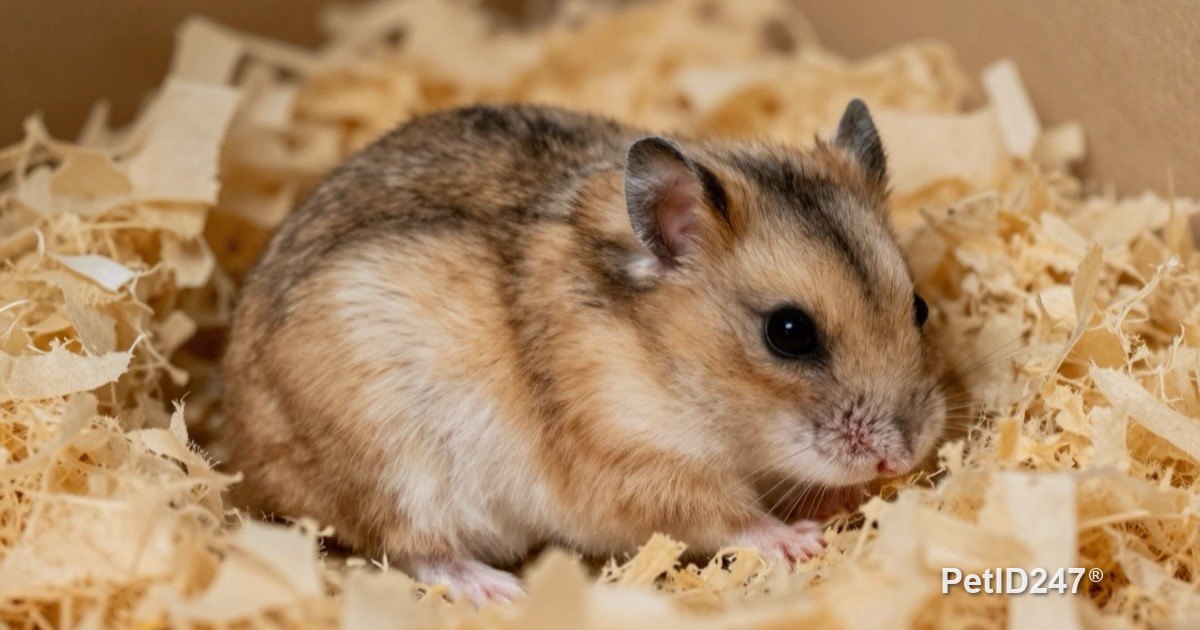
AI-generated illustration
In cold weather a hamster may lie still and feel cold, as if it has died. Learn how to tell the difference, rewarm it safely and when to see a vet.
During cold snaps, many owners panic when they find their hamster lying stiff, cold to the touch and barely breathing. Sometimes the hamster has only slipped into a deep, cold-induced torpor, and with the right care it may wake up. This guide helps you recognize the situation, warm your hamster safely and prevent it next winter.
Why hamsters go still in the cold
Hamsters are small rodents that lose body heat very quickly. When the room stays cold for a long time, especially with little daylight or not enough food, some hamsters can fall into a state of deeply reduced activity that owners often call "hibernation" or torpor. Heart rate, breathing and body temperature drop sharply to save energy.
Unlike true hibernators in the wild, pet hamsters usually haven't built up the fat and food stores needed for this. So it is a dangerous situation, not something normal to leave alone. Older, thin, sick or very young hamsters cope with cold less well.
Temperatures to watch
As a common guide, hamsters are most comfortable at approximately 20–24°C (68–75°F). When a room drops below about 15°C (59°F) for many hours, the risk of a hamster getting chilled and going still increases. Treat these figures as a guide only; every hamster's tolerance is different.
Torpor or death: telling the difference
This is hard and needs a calm approach. Watch closely for a few minutes in a quiet spot:
- Breathing: look very carefully at the belly and flanks. A hamster in torpor may breathe very slowly, with many seconds between breaths.
- Whiskers and nose: sometimes there is a very faint twitch.
- Body: a hamster in torpor is often still somewhat soft when touched gently. A completely rigid body, cloudy eyes and an unusual smell are more worrying signs.
- Circumstances: if the weather turned cold suddenly and the hamster was healthy before, torpor is more likely.
If you are not sure, don't jump to conclusions. Warm the hamster gradually and contact a veterinarian.

How to warm a hamster safely
The most important rule is to warm slowly, never suddenly. Suggested steps:
- Move the cage or the hamster to a warm, draft-free room at approximately 20–24°C (68–75°F).
- Wrap the hamster in a soft cloth or hold it gently in your cupped hands close to your body to share natural warmth.
- You can place a warm (not hot) heat pack wrapped in a towel on one side, so the hamster can move away if it gets too warm. Test it with the back of your hand; slightly warm is enough.
- Be patient. Waking up can take from tens of minutes to a few hours. The hamster may shiver strongly as it starts to wake; this is the body generating heat.
- Once the hamster is awake and walking on its own, place fresh water and a little familiar food near its nest.
What not to do
- Don't blow a hair dryer directly at the hamster or put it right next to a heater, heat lamp or stove.
- Don't put the hamster in warm water.
- Don't force food or water while it is still drowsy, as it may choke.
- Don't give any medicine on your own.
Prevention during cold months
- Keep the cage in a room with a stable temperature, away from windows, balconies, drafts and air-conditioning vents.
- Provide a deep layer of dust-free bedding plus plain, ink-free shredded paper so the hamster can build a nest.
- Include an enclosed sleeping house inside the cage.
- Keep food and water topped up at all times. A hungry hamster is more likely to go into torpor.
- Maintain regular daylight; don't leave the cage in a dark room all day.
- If you heat the room, keep heaters away from the cage and don't let it get too hot. Hamsters can also suffer from heat stress.
A small thermometer near the cage tells you the real temperature instead of guessing by feel.
When to see a vet
Contact a veterinarian experienced with small mammals if:
- You have warmed the hamster for a few hours and it still shows no sign of waking.
- The hamster wakes but is weak, wobbly, or not eating or drinking.
- It wheezes, has a runny nose or crusty eyes after the cold spell.
- It has diarrhea or a wet tail.
- It goes still repeatedly even though the room is warm enough.
Even if your hamster wakes and seems fine, a checkup afterward can catch related problems early, such as dehydration or a respiratory infection.
This article was prepared with the help of artificial intelligence tools and reviewed by the PetID247 editorial team before publication. It is for reference only and does not replace an examination by a veterinarian.