Cat Diarrhea: When to See the Vet
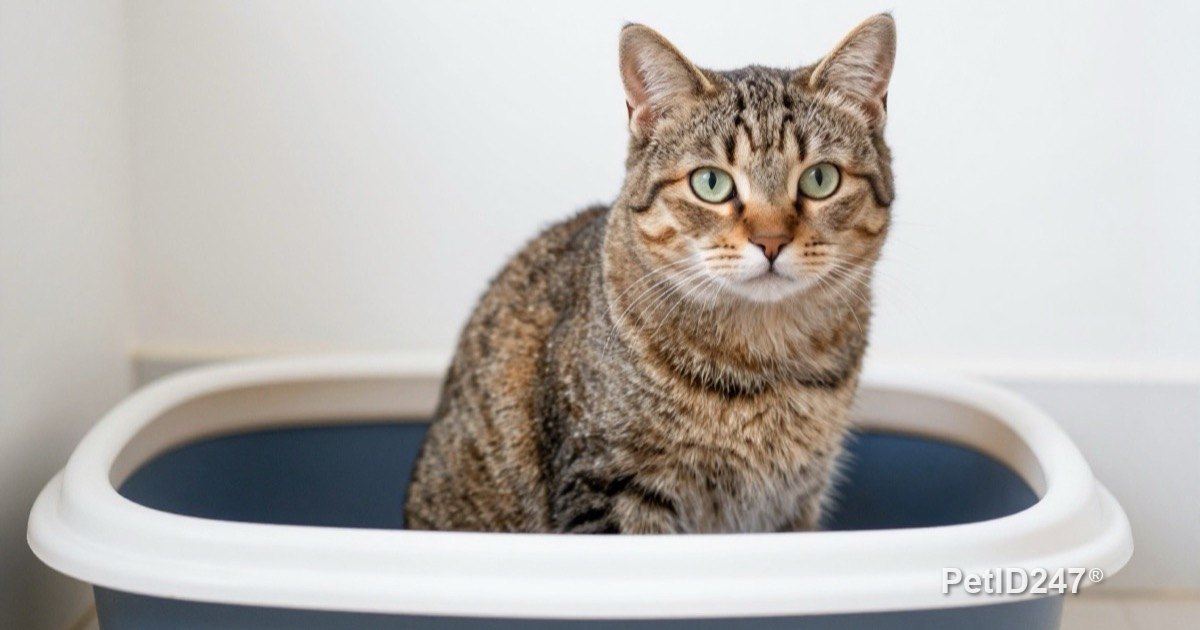
AI-generated illustration
A single bout of diarrhea may come from a food change, but if it lasts or comes with vomiting or lethargy, your cat needs a vet. Learn what to monitor at home and the danger signs.
When you find loose stool in the litter box, you may wonder whether to wait and watch or take your cat to the vet right away. A brief, mild bout of diarrhea in a healthy adult cat often clears up on its own. But kittens, seniors and cats with other symptoms can become dehydrated very quickly. Knowing what to watch for helps you make the right call in time.
Common causes
- A sudden diet change, or eating something unusual, human food or spoiled food.
- Drinking milk: many adult cats don't digest milk sugar well.
- Intestinal parasites: worms and protozoa, very common in kittens.
- Viral and bacterial infections, including panleukopenia, which is dangerous in unvaccinated cats.
- Stress: moving house, a new pet, boarding.
- Food allergies or intolerance.
- Chronic conditions: inflammatory bowel disease, hyperthyroidism in older cats, liver or pancreatic disease, tumors.
- Swallowing toxins or certain houseplants.
What to observe
Make notes to share with your veterinarian if needed:
- How often and for how long.
- What the stool looks like: soft, watery, with mucus, bright red blood, or black like coffee grounds.
- Eating and drinking: is your cat still eating and drinking?
- Energy: still playing and moving normally, or lethargic and lying in one spot?
- Other symptoms: vomiting, fever, belly pain, weight loss.
- What your cat may have eaten in the past day or two.
A photo of the stool in the litter box can help your vet assess it. If you go to the clinic, bring a fresh stool sample in a clean container.
Home care for mild cases
Only for healthy adult cats with mild diarrhea that are still eating, drinking and alert:
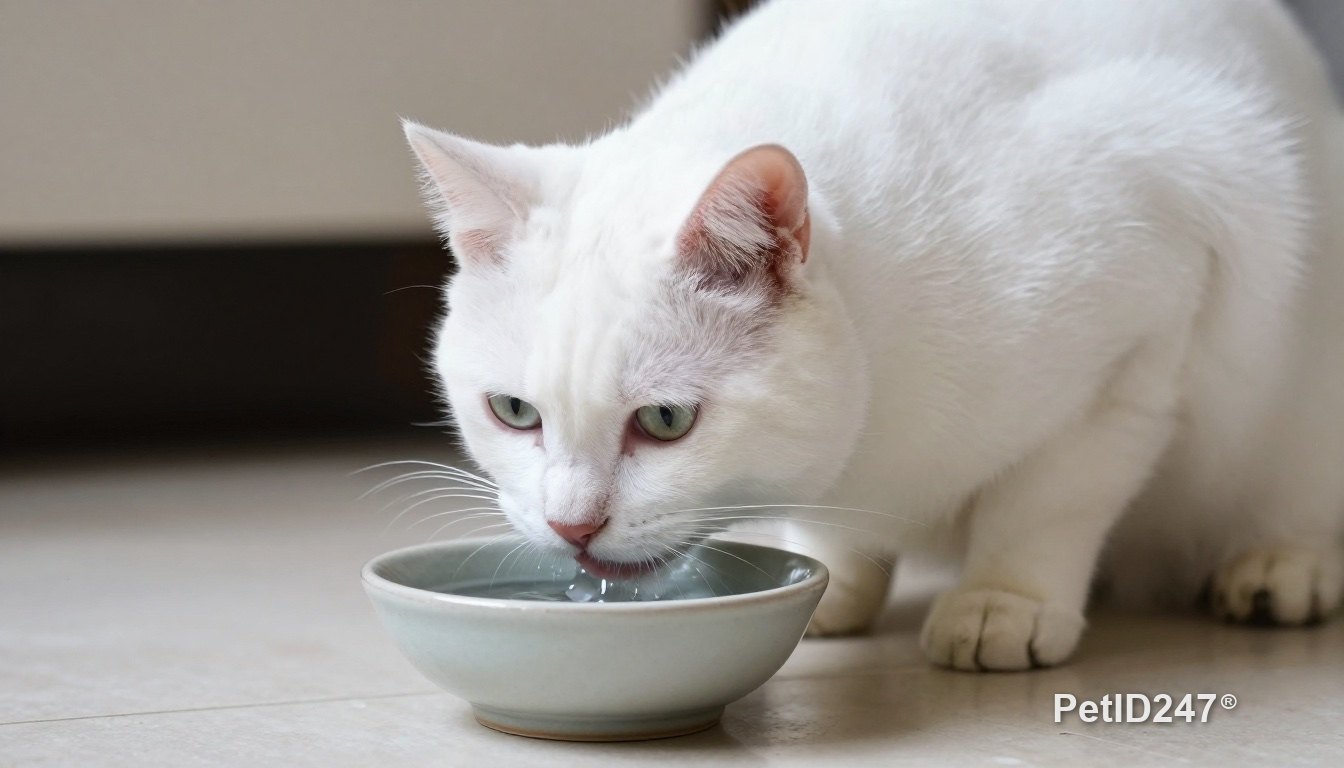
- Always provide fresh water; put out extra bowls in several places and offer wet food for extra fluid.
- Don't withhold food for long. Cats that go without food for long risk serious liver disease. Ask your veterinarian about a bland, easily digested diet for a few days.
- Stop treats, milk and human food.
- If you just changed foods, go back to the old one, then transition gradually over about a week.
- Keep things clean: scoop the litter box often and wipe your cat's bottom with a damp cloth to prevent skin irritation.
- Never give human anti-diarrhea medicine or any other medication without your veterinarian's direction. Many human medicines are toxic to cats.
- If your vet prescribes probiotics or medication, use them exactly as directed and read the label carefully.
For kittens, the safety margin is much smaller. Kittens are tiny with few reserves, so just a few bouts of diarrhea combined with not nursing or eating can lead to dehydration and low blood sugar. Newly adopted kittens also often carry parasites and aren't fully vaccinated. So don't use the wait-and-watch approach for kittens; contact your veterinarian early.
Preventing repeat episodes
- Change foods gradually and limit treats.
- Deworm and prevent parasites as directed by your veterinarian.
- Keep core vaccinations up to date on your vet's recommended schedule.
- Keep trash, chemicals and toxic plants out of your cat's reach.
- Reduce stress when changes happen at home.
When to see a vet
Go right away if:
- A kitten, senior cat or cat with a chronic illness has diarrhea.
- There's a lot of blood, tar-like black stool, or repeated watery diarrhea.
- Vomiting occurs too, especially repeatedly, or your cat can't keep water down.
- Lethargy, weakness, dry or pale gums, sunken eyes: signs of dehydration.
- Fever, belly pain or bloating, or crying out when the belly is touched.
- Your cat isn't fully vaccinated, especially after contact with unfamiliar cats.
- You suspect your cat ate a toxin, human medicine or a foreign object.
Book a prompt appointment if diarrhea lasts more than a day or two even though your cat is alert, or keeps coming back, or comes with weight loss.
This article was prepared with the help of artificial intelligence tools and reviewed by the PetID247 editorial team before publication. It is for reference only and does not replace an examination by a veterinarian. How we write our articles