Bringing Home a Baby Rabbit: The First Weeks
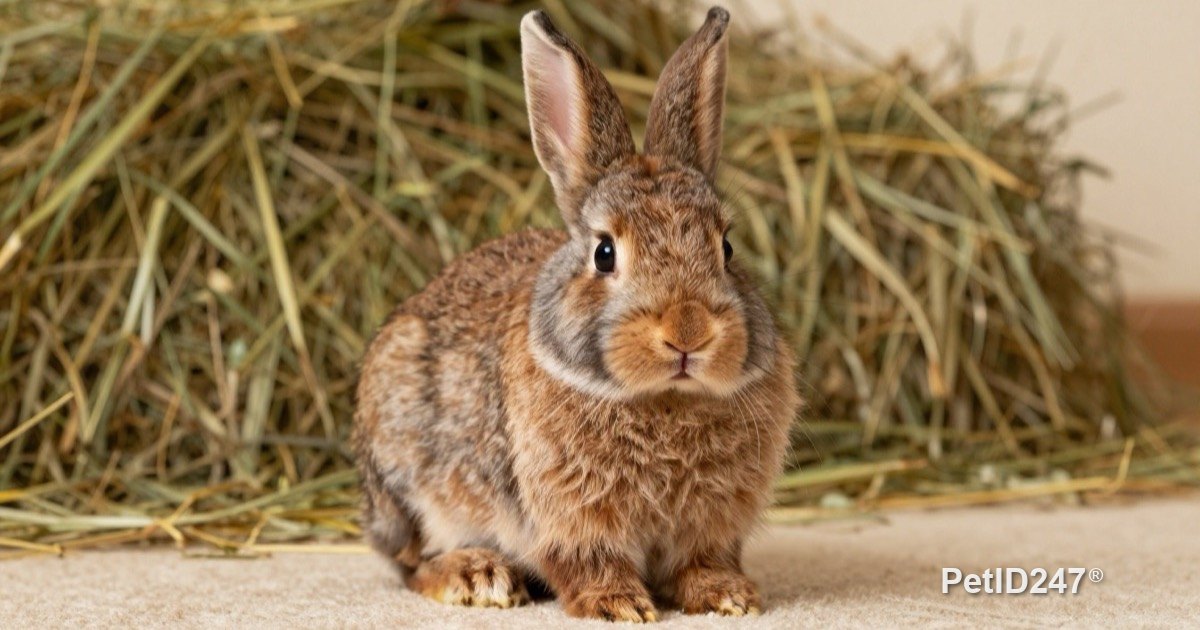
AI-generated illustration
A newly arrived baby rabbit is very sensitive to changes in food and surroundings. Learn how to set up its home, feed it correctly, bond gently and watch its health.
The first days in a new home are the most vulnerable time for a young rabbit. Sudden changes in food, housing and noise can stress it and upset its digestion. Careful preparation and a slow pace will help your baby rabbit settle in safely.
Before you bring your rabbit home
Is the rabbit old enough?
Baby rabbits need to stay with their mother until they're fully weaned. By common recommendations, they should leave the mother at around 8 weeks of age or older. Rabbits separated too young are at higher risk of digestive problems. Ask the breeder or rescue about the rabbit's age, current food and health.
Setting up the home
- A spacious hutch or pen: enough room to hop several times, stand up straight and stretch out when lying down. Baby rabbits grow fast, so size it for the adult.
- A flat, soft floor: avoid wire floors, which can hurt rabbit feet. Use a soft, washable mat or liner.
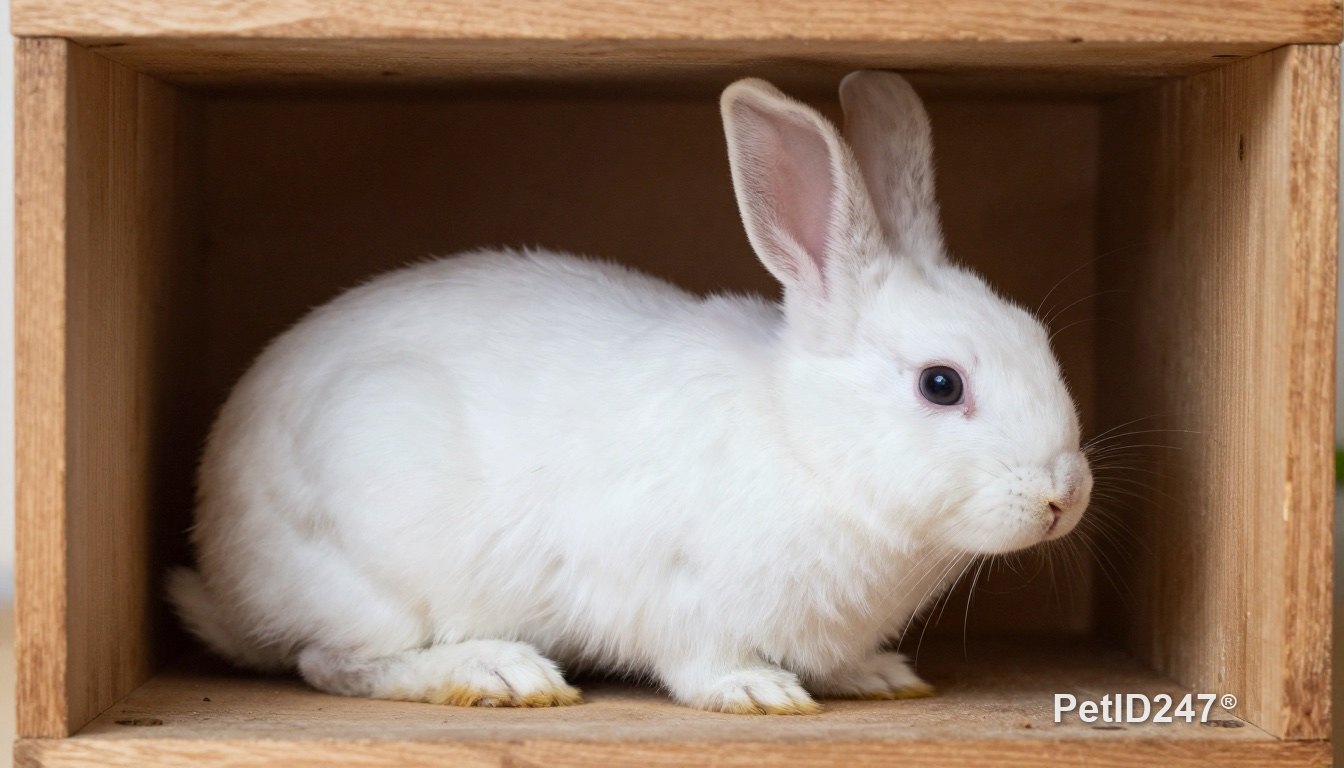
- A hiding place: a wooden or cardboard box with two openings so the rabbit feels safe.
- A litter tray, hay rack, heavy water bowl or bottle, and a sturdy food bowl that won't tip.
- Location: indoors, cool and well ventilated, out of direct sun and drafts, away from dogs and cats.
Feeding your baby rabbit correctly
- Keep the same food: for about the first two weeks, feed exactly the same hay and pellets the rabbit had before. If you want to switch, mix gradually over many days.
- Unlimited hay: always provide clean, fragrant hay. It's the foundation of digestive and dental health for life.
- Pellets for young rabbits: in the amount recommended on the product label or by your veterinarian.
- Greens: many owners are advised to wait until the rabbit is older, around 12 weeks, before introducing greens. When you start, offer one type at a time in small amounts and watch the droppings for a few days before adding another. Ask your vet about the right timing.
- Avoid: fruit, sweets, grains, starchy vegetables and human food.
- Fresh water changed every day.
Getting to know each other gently
- Day one: let the rabbit rest quietly in its enclosure and explore. Speak softly and keep handling to a minimum.
- The next few days: sit on the floor near the enclosure and let the rabbit come to sniff your hand. You can offer a strand of hay.
- As it gains confidence: open the door into a safe area with electrical cords covered and chewable items put away. Always supervise.
- Picking up: only when needed, supporting both the chest and hindquarters, staying close to the floor. Never lift a rabbit by its ears or scruff.
Young children should sit on the floor when playing with a rabbit, always with an adult watching. Baby rabbits break bones very easily if dropped.
Don't bathe a baby rabbit. Rabbits keep their own coats clean, and soaking can frighten them and chill them. If the bottom gets dirty, wipe it gently with a damp cloth, pat dry right away, and tell your vet if it keeps happening.
Watching health in the first week
- Droppings: plentiful, round, even and brown. Soft, sticky droppings or diarrhea in a baby rabbit is a dangerous sign.
- Eating and drinking: the rabbit should eat hay and drink every day.
- Activity: healthy young rabbits are curious and bouncy, with periods of plenty of sleep.
- Eyes and nose: clean, with no discharge or constant sneezing.
Take your baby rabbit for a checkup in the first few weeks, choosing a vet experienced with rabbits. Your veterinarian will do a general exam, confirm the sex, and advise on vaccinations suited to where you live and on the timing of neutering.
When to see a vet
- Your baby rabbit stops eating or hasn't pooped for around half a day. This is an emergency.
- Diarrhea, soft droppings, a dirty bottom or a bloated belly.
- Dullness, staying in one spot, tooth grinding or cold ears.
- A runny nose, frequent sneezing, eye discharge or difficulty breathing.
- A head tilt, wobbly walking, or a fall.
This article was prepared with the help of artificial intelligence tools and reviewed by the PetID247 editorial team before publication. It is for reference only and does not replace an examination by a veterinarian.