Reptile Shedding Problems: Causes and How to Help
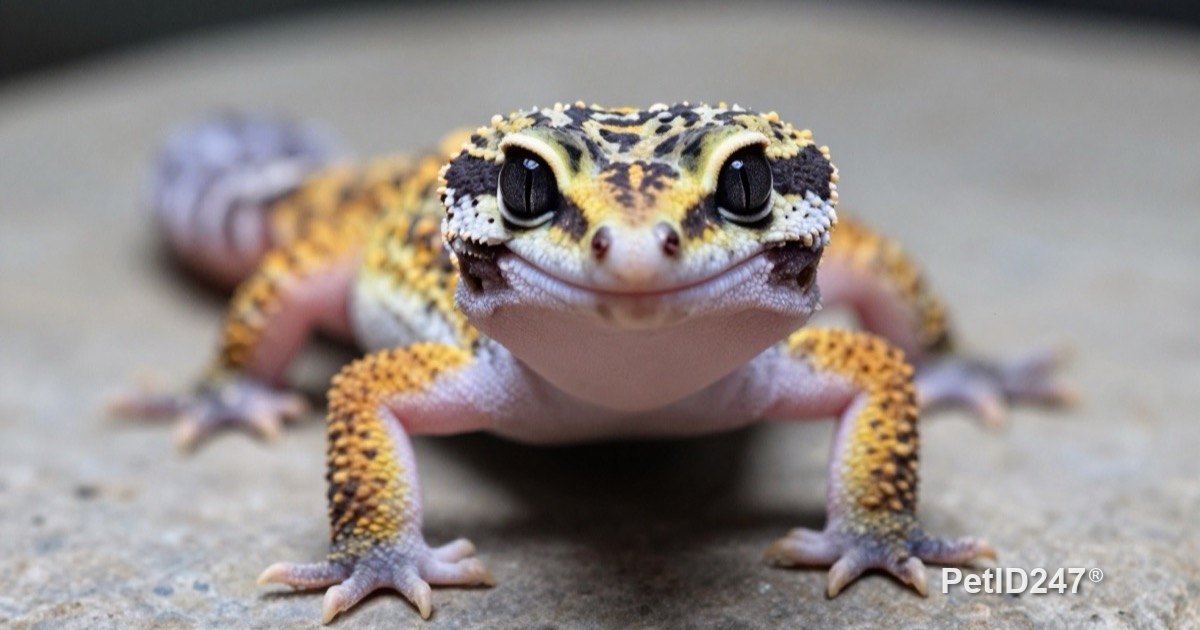
AI-generated illustration
Old skin stuck on toes, tails or eyes can cut off blood flow and cause infection. Learn why reptiles have trouble shedding, how to help safely and when to see a vet.
Shedding is a normal part of life for every reptile, especially young ones that are growing fast. A good shed usually goes smoothly; snakes in particular can shed their old skin in one piece. When old skin sticks in patches, it is a sign that something is wrong with the animal's environment or health.
What a normal shed looks like
Reptiles shed regularly; how often depends on the species, age and growth rate. Before a shed you may notice:
- In snakes: dull skin, a slightly pink belly, and eyes turning cloudy blue-white for a few days before clearing again. Snakes tend to hide, refuse food and get grumpier. Then the old skin usually comes off in one piece, including the eye caps.
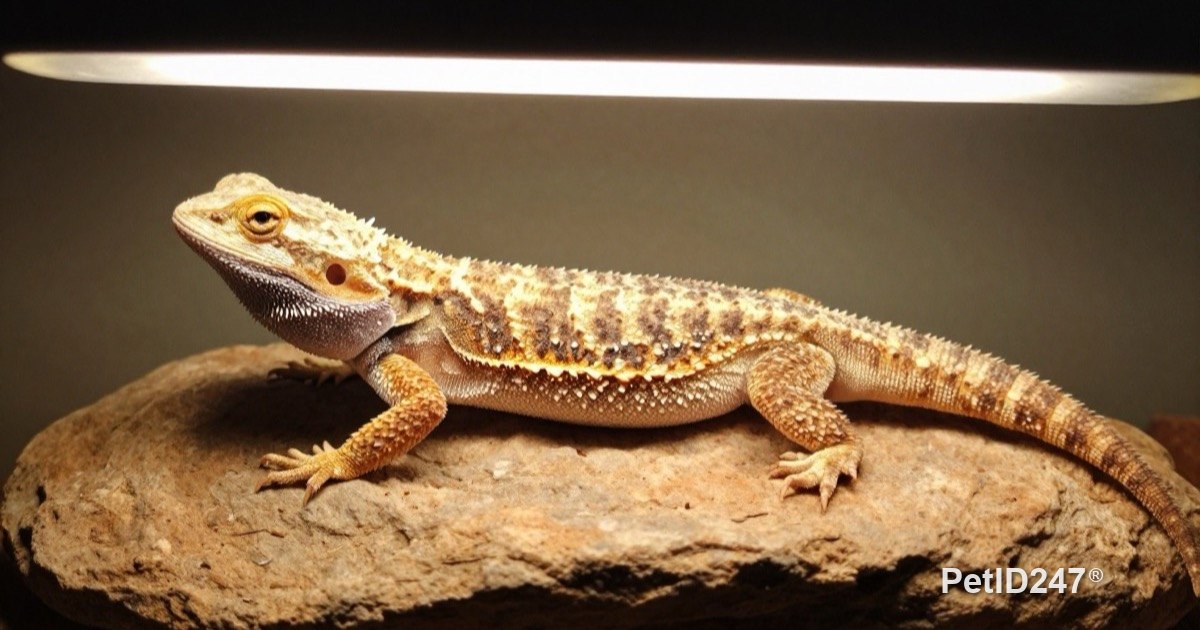
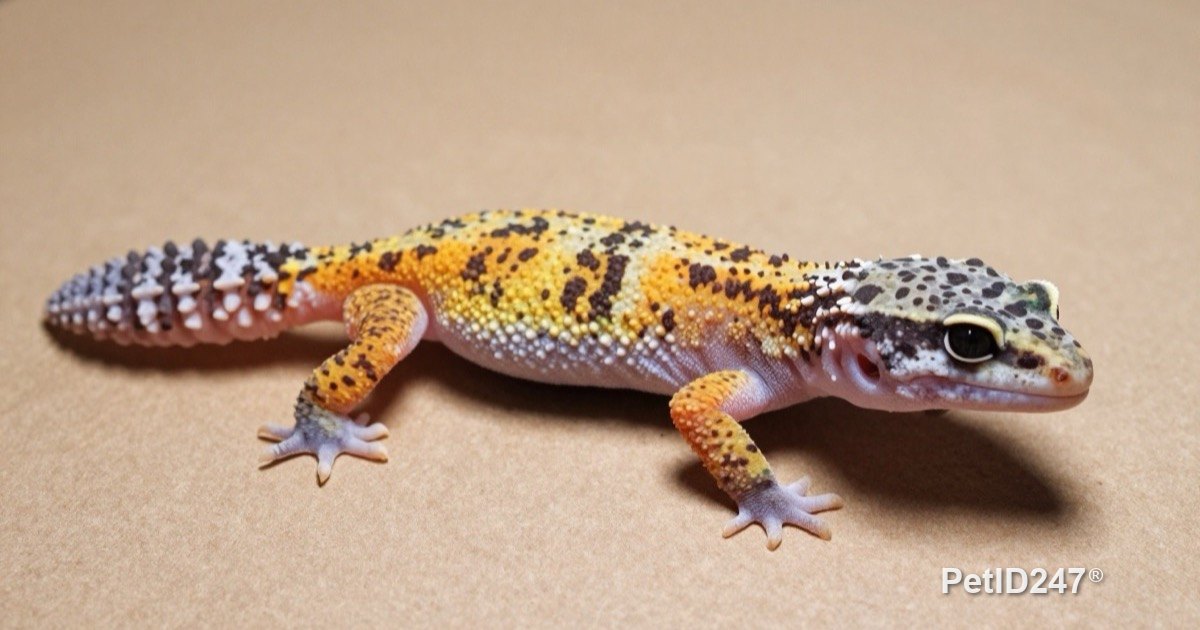
- In lizards: skin dulls and comes off in patches. Many species, such as leopard geckos, eat their old skin; this is normal behavior.
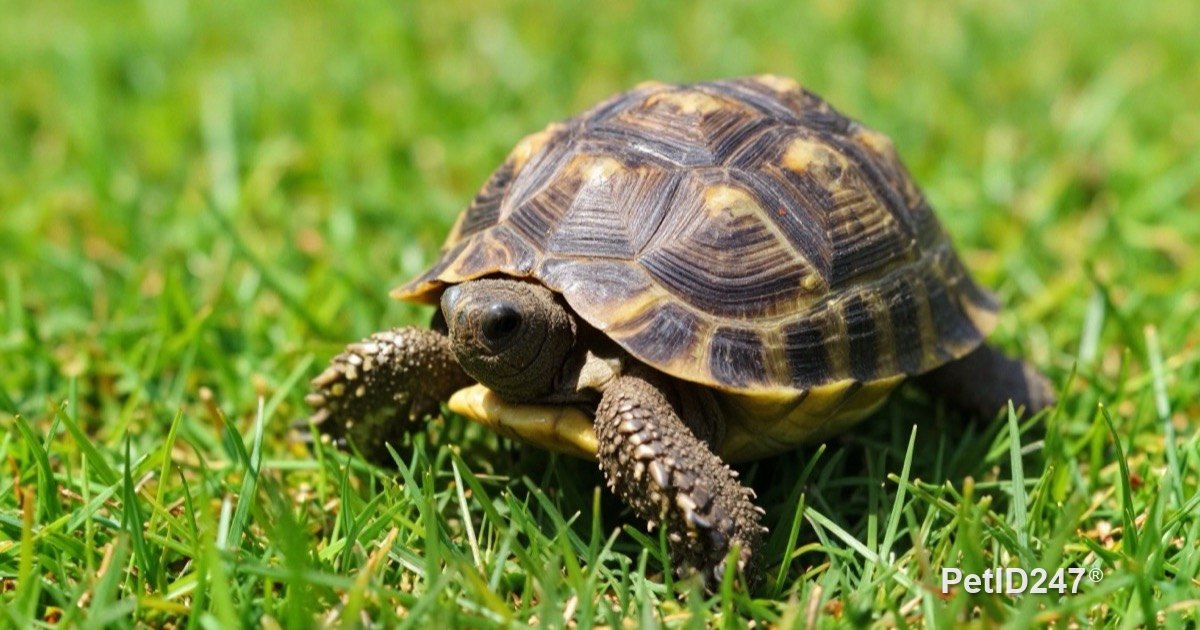
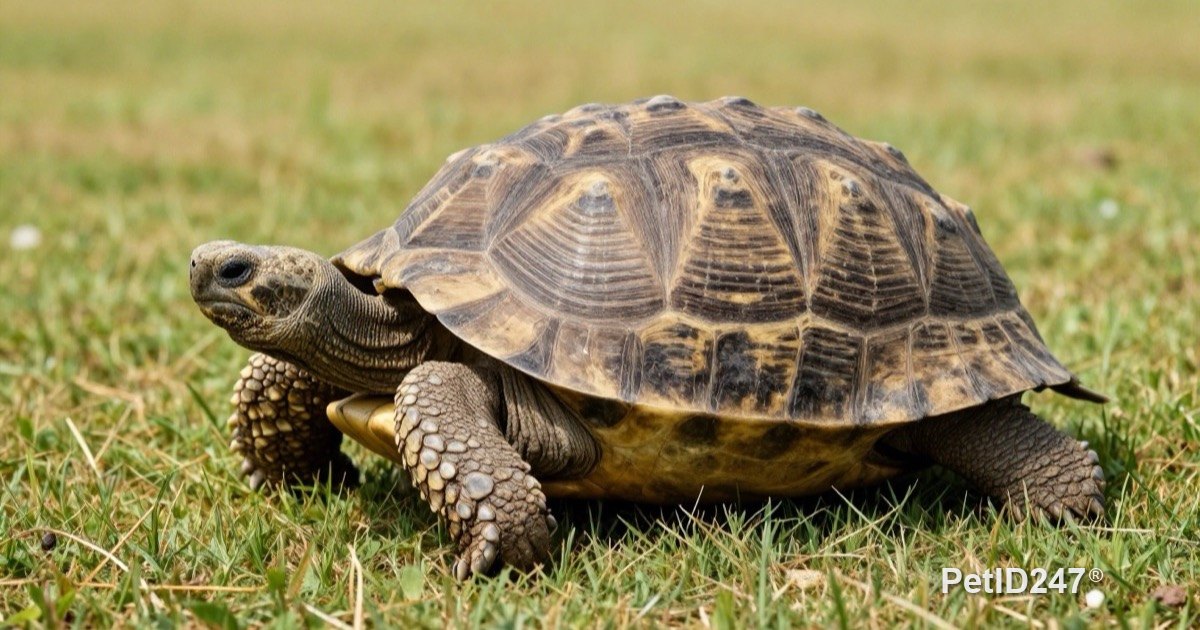
- In turtles: aquatic turtles shed thin scutes from the shell and small patches of skin. Tortoises usually don't shed their scutes; the shell simply grows.
During this time, limit handling and let the animal rest in peace.
Signs of a difficult shed
- Patches of old skin still stuck to the body after the shed should be finished.
- Rings of old skin around toes or the tail tip: very common in lizards. This skin shrinks and tightens, cutting off blood flow, and over time can cause a toe or tail tip to die and fall off.
- Retained eye caps in snakes: eyes that look cloudy, wrinkled or filmed over after the body has finished shedding.
- Old skin stuck around the nose, mouth or ear openings.
Common causes
- Wrong humidity: the leading cause. Each species needs a different humidity level; an enclosure that is too dry makes old skin hard and sticky. On the other hand, a constantly wet enclosure encourages fungus and skin disease.
- Dehydration: no clean water to drink, or a water bowl too small to soak in.
- Nothing rough to rub against: a bare enclosure without rocks, branches or bark for the animal to rub off its old skin.
- Incorrect temperature: being too cold slows metabolism and affects shedding.
- External parasites: mites and ticks damage the skin and cause uneven shedding.
- Poor nutrition or hidden illness: thin, weak animals or those with internal disease often shed poorly.
- Wounds or old scars on the skin.
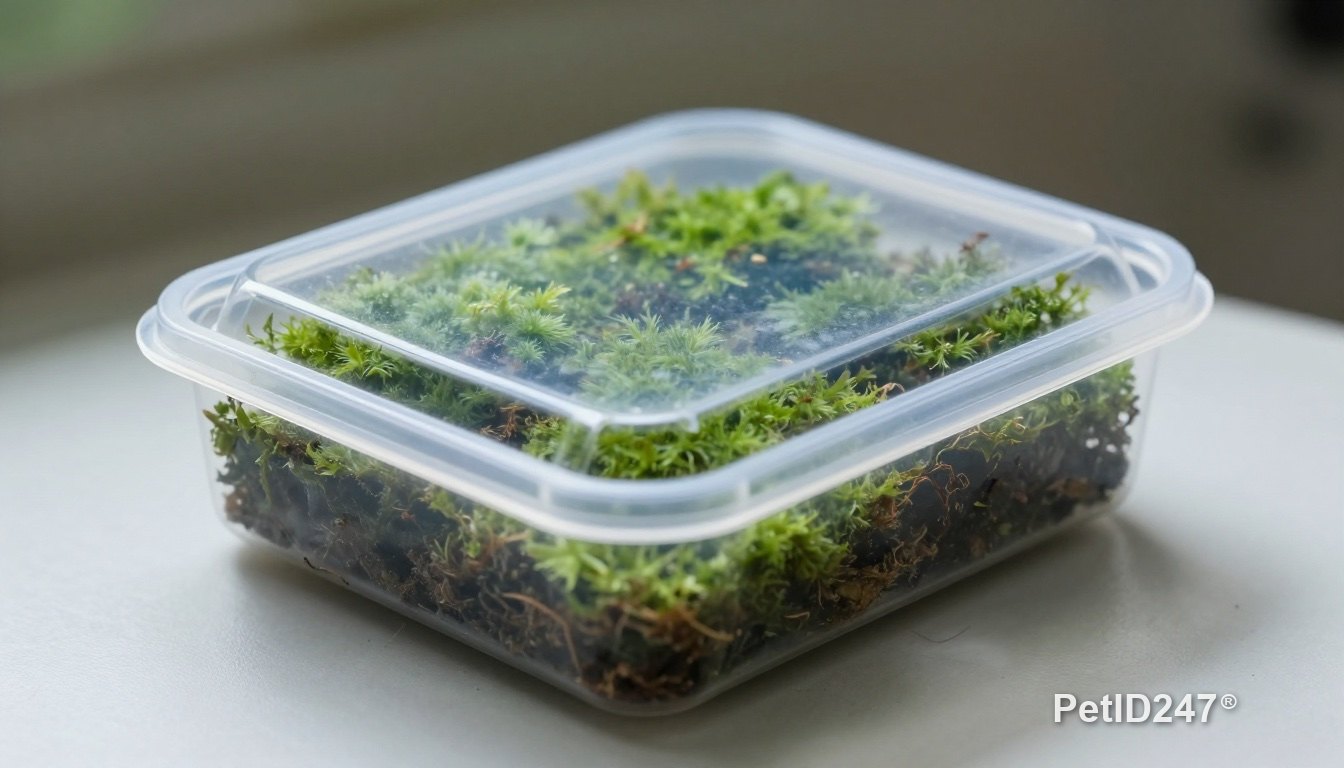
How to help your reptile shed safely
Provide a humid hide
Use a hide box with a lid and an entrance hole just big enough for the animal, lined with damp moss or damp paper towel (wrung out, not soaking). Place it where the temperature is suitable. This is simple and effective, and many keepers leave one in place permanently for species that need it.
A lukewarm soak
If old skin is stuck on the body or toes, you can let the animal soak in a container of comfortably lukewarm water, shallow enough to stay well below its head, for a few minutes up to ten or fifteen minutes. Always stay with the animal for the whole soak. Afterward, place it on a damp towel so it can crawl and rub; the old skin usually softens and comes off by itself.
Remove gently, never pull
- Only remove skin that has softened and lifts easily. Roll a damp cotton swab gently in the direction of the skin.
- Never use fingernails or tweezers to pull hard, as this can tear the new skin underneath.
- Never try to remove a snake's retained eye caps yourself, and don't remove skin from a lizard's eyes. Eyes are very easily damaged; let a veterinarian handle it.
- Don't apply oils, creams or other products to the skin without asking a veterinarian.
Preventing the next problem
- Learn the right humidity for your species and measure it with a hygrometer instead of guessing.
- Always provide clean water, with a bowl big enough for species that like to soak.
- Add rocks, branches and rough bark to the enclosure.
- Keep the right temperature gradient and a complete diet.
- After every shed, check toes, tail tip and eyes carefully. With snakes, spread out the shed skin to check both eye caps came off.
- When buying a new reptile, only buy from a legal source with paperwork, never a wild-caught animal. Wild-caught reptiles often carry parasites, stress easily and shed poorly. Never release a reptile into the environment.
When to see a vet
Take your reptile to a veterinarian experienced with reptiles when:
- Toes or the tail tip are swollen, darkening or turning black from a tight ring of old skin.
- A snake's eye caps are still attached after a shed, or the eyes stay swollen or cloudy.
- You have tried a humid hide and soaking but the old skin still won't come off.
- Shedding problems keep happening even though the enclosure conditions are right.
- The animal has mites, ticks, sores or discolored patches of skin, or is also refusing food, losing weight or lethargic.
Repeated shedding problems are often a sign of a bigger issue. Your veterinarian can help find the cause and the right treatment.
This article was prepared with the help of artificial intelligence tools and reviewed by the PetID247 editorial team before publication. It is for reference only and does not replace an examination by a veterinarian.