Red Eyes and Eye Discharge in Dogs: When to Worry
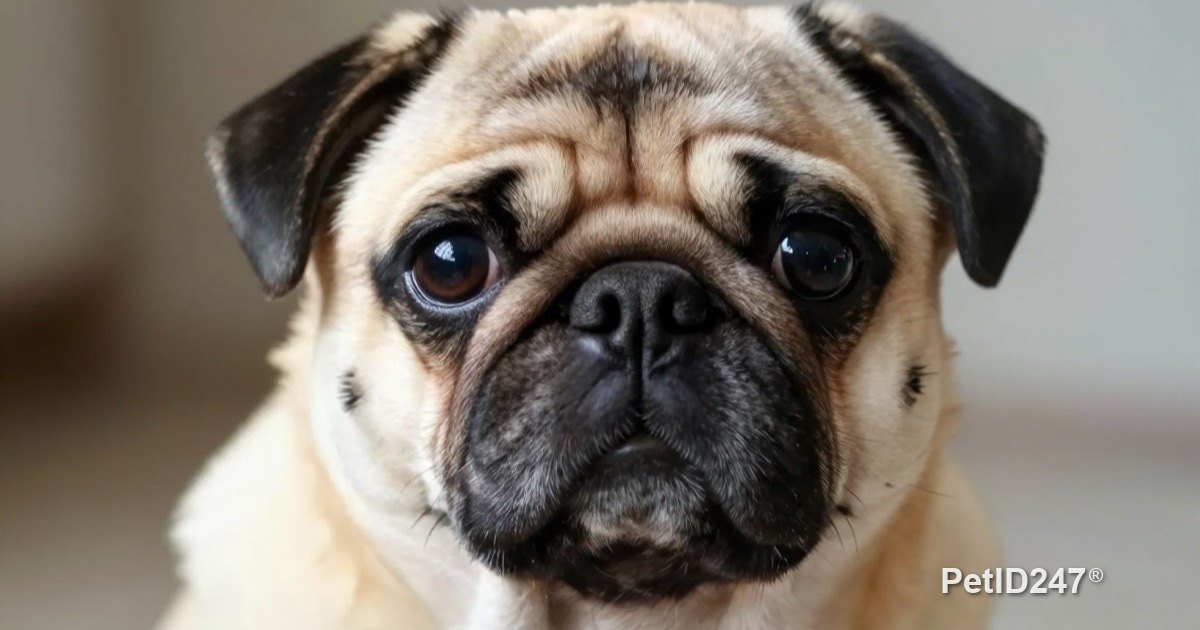
AI-generated illustration
Red, watery eyes or thick yellow-green discharge in dogs may come from dust, allergies, conjunctivitis, dry eye or a corneal ulcer. Safe home care and signs that need a vet now.
A little dried crust in the corner of the eyes in the morning is normal for many dogs. But red eyes, lots of tears, thick yellow-green discharge or constant squinting are another matter. The eye is delicate, and some conditions can cost a dog its sight within days, so don't wait too long.
Normal discharge versus worrying discharge
- Normal: a small amount of clear or light brown discharge that dries in the eye corners after sleep, wipes off easily, with no redness or discomfort.
- Reddish-brown tear stains: common in white-coated and flat-faced dogs. Usually from tears overflowing; the cause should be checked, but it's rarely urgent.
- Worrying: thick, yellow or green discharge in large amounts that sticks the lids together; red, swollen eyes; squinting, rubbing the eyes or sensitivity to light.
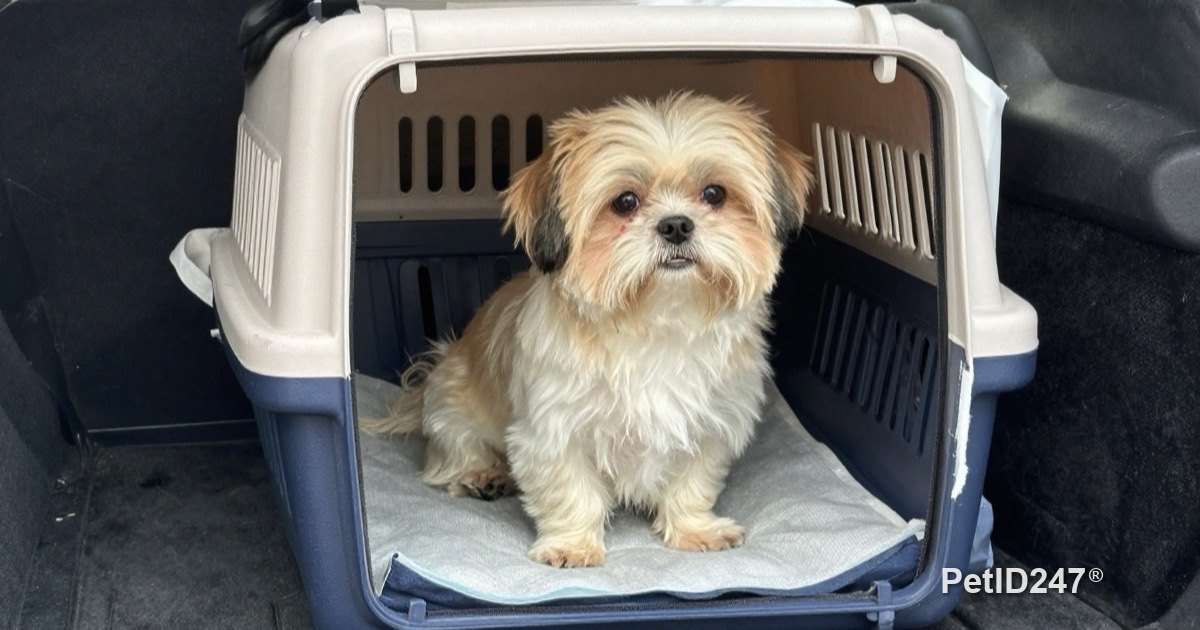
Each type of dog has its own weak spots. Flat-faced dogs with prominent eyes scratch their corneas easily; long-haired dogs get hair poking their eyes; older dogs are prone to dry eye and clouding. Knowing which group your dog belongs to helps you notice problems sooner.
Common causes
- Irritation from dust, wind, smoke or shampoo: mild redness and watering, usually better after rinsing.
- Allergies: red eyes with clear, watery discharge and itching, often with face scratching, paw licking or ear infections.
- Conjunctivitis: the pink tissue around the eye becomes red and swollen with discharge. Caused by bacteria, viruses, allergies or irritants.
- Dry eye: the tear glands produce too few tears, leading to thick, sticky discharge and a dull, hazy cornea. Common in some small breeds and easily mistaken for ordinary conjunctivitis.
- Corneal scratches or ulcers: from scratching, branches, ingrown eyelashes or foreign bodies. The dog is in pain, squints and tears heavily. Flat-faced dogs with prominent eyes are very prone.
- Eyelid and eyelash problems: eyelids that roll inward or lashes that rub on the eye cause ongoing irritation.
- Prolapsed third eyelid gland: a pink-red lump bulging from the inner corner of the eye, common in young dogs.
- Glaucoma or uveitis: a red, painful eye, an abnormal pupil and a cloudy blue cornea. This is an emergency.
- Whole-body illness: distemper in unvaccinated dogs can start with eye discharge and a runny nose; some tick-borne diseases also cause eye inflammation.

Safe eye care at home
The steps below are basic care only and don't replace a vet visit when something looks wrong:
- Wipe discharge gently: use clean cotton or gauze moistened with sterile saline, wiping from the inner corner outward. Use a separate piece for each eye.
- Trim hair around the eyes: for long-haired dogs, keep hair from poking the eyes. If you're not confident, ask an experienced groomer, using round-tipped scissors.
- Avoid irritants: shield the eyes during baths and keep shampoo out of them. Don't let your dog hang its head out of the car window.
- Stop eye rubbing: if your dog keeps pawing at its eye, a protective cone may be needed until it's examined.
What not to do
- Don't use human eye drops or leftover eye medicine. Some eye drops contain ingredients that make a corneal ulcer worse.
- Don't apply leaves, tea, milk or other home remedies to your dog's eyes.
- Use any eye drops or ointments only as directed by your veterinarian, and read the product label carefully.
When to see a vet
Eye problems progress fast. See a vet the same day if you notice:
- Squinting, keeping one eye closed, constant rubbing or sensitivity to light.
- A cloudy, bluish cornea, a white spot or a dent on the surface.
- An eye bulging more than usual, or an eye that has been hit or scratched.
- Heavy, thick yellow-green discharge with a red, swollen eye.
- Pupils of different sizes, bumping into things, or apparently poor vision.
- Eye discharge with fever, coughing, runny nose or loss of appetite, especially in a dog not fully vaccinated.
- A red lump bulging from the corner of the eye.
- Mild redness and watering that doesn't improve after a day or two of gentle cleaning.
This article was prepared with the help of artificial intelligence tools and reviewed by the PetID247 editorial team before publication. It is for reference only and does not replace an examination by a veterinarian. How we write our articles