Overweight Cats: Feeding and Exercise for Safe Weight Loss
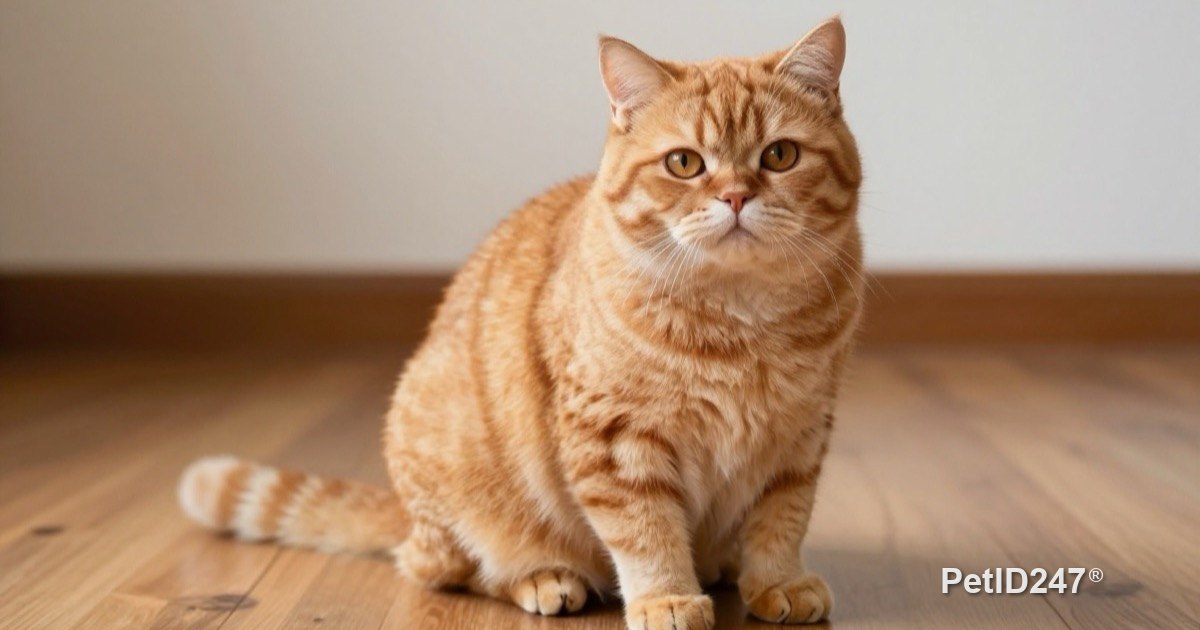
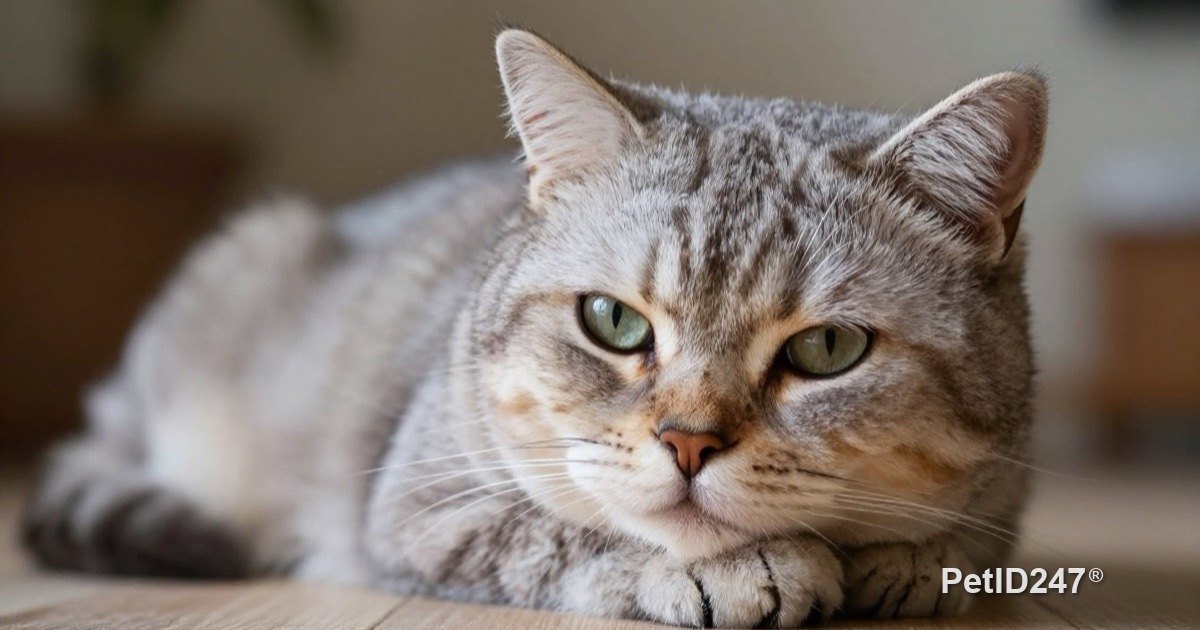
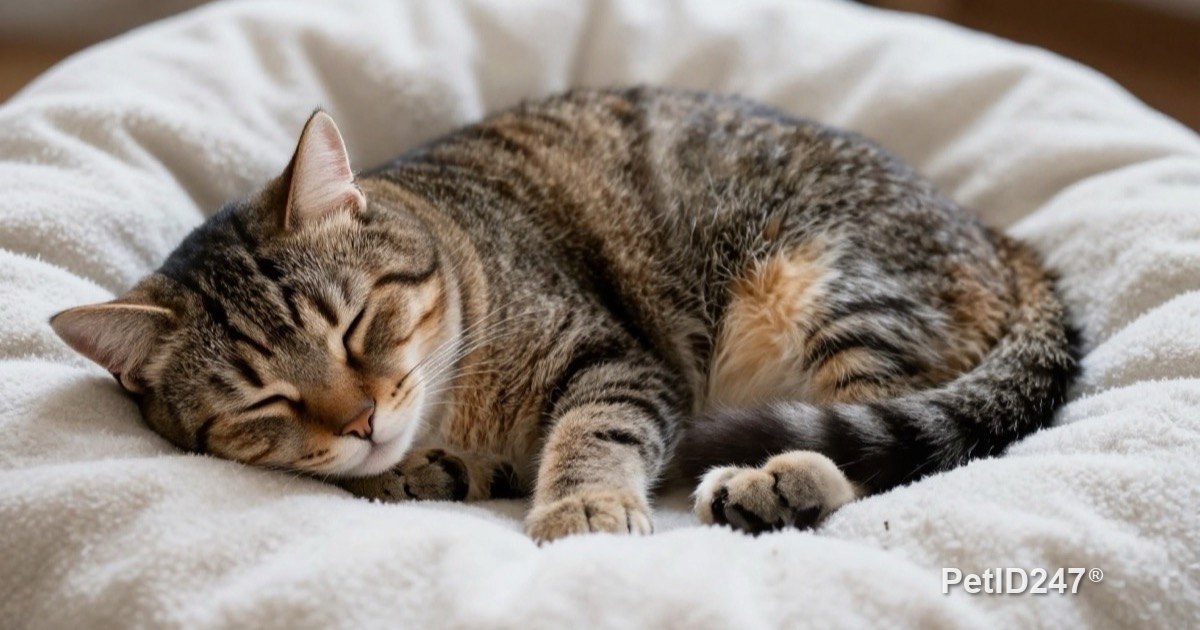
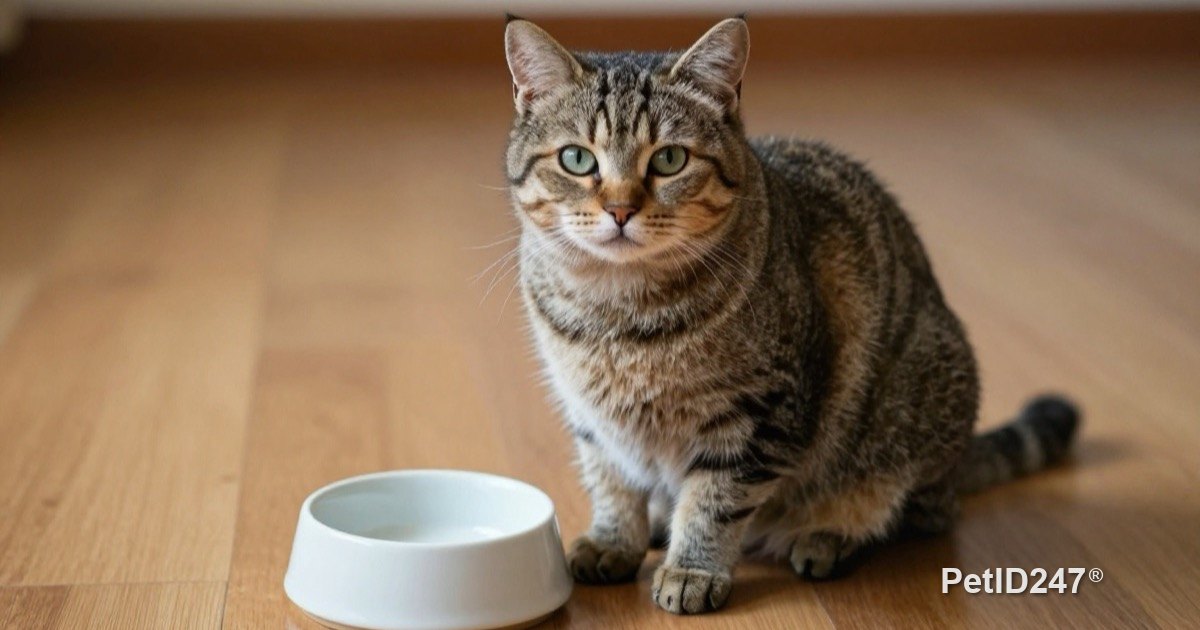
AI-generated illustration
A chubby cat may look cute, but obesity raises the risk of diabetes, joint pain and more. Learn how to tell if your cat is overweight and help it slim down safely.
A round cat is often called “cute and cuddly”, but excess weight is one of the most common health problems in indoor cats. Overweight cats are more prone to diabetes, joint pain and urinary problems, and they struggle to groom themselves. Helping your cat lose weight is entirely possible, as long as you do it slowly and correctly.
How to tell if your cat is overweight
Ideal weight varies with breed and frame, so the easiest check is to look and feel:
- Feel the ribs: on a cat at a healthy weight, you can feel the ribs easily under a thin layer of fat, like feeling the back of your hand. If you have to press hard to find them, your cat may be overweight.
- Look from above: a healthy cat has a slight waist behind the ribs. An overweight cat looks egg-shaped, with no waist.
- Look from the side: a sagging belly that swings when walking is a sign of fat. Note that many cats have a loose flap of skin on the lower belly, which is normal.
- Other signs: reluctance to jump, tiring quickly, trouble grooming the back and tail, a greasy or flaky coat on the back.
Your veterinarian can score your cat's body condition and tell you a suitable target weight.
Why cats become overweight
- Free feeding, with the bowl kept full all day.
- Guessing portions by eye instead of measuring.
- Treats, human food, and several family members all feeding the cat.
- Too little exercise and play.
- After neutering, energy needs usually drop but portions stay the same.
- Middle age, when cats naturally become less active.
Adjusting how you feed
The most important rule: go slowly
Never starve your cat or cut its food drastically. In cats, especially overweight ones, fasting or eating too little for a few days can trigger fatty liver disease (hepatic lipidosis), which is very dangerous. The goal is slow, steady weight loss over several months, following a plan your veterinarian recommends.
What to do
- Weigh portions: use a kitchen scale rather than a measuring cup, work out the daily total and split it into several small meals.
- Stop topping up the bowl: switch to scheduled meals.
- Count treats: treats should be a small part of the daily total and be subtracted from main meals.
- Get the household on board: have one person in charge of feeding, or log every feeding.
- Include more wet food: wet food usually contains a lot of water, helping your cat feel full on the same amount of energy; ask your veterinarian how to combine it.
- Ask about weight-loss diets for cats: these are designed to keep your cat fully nourished while providing less energy.
Make eating slower and more fun
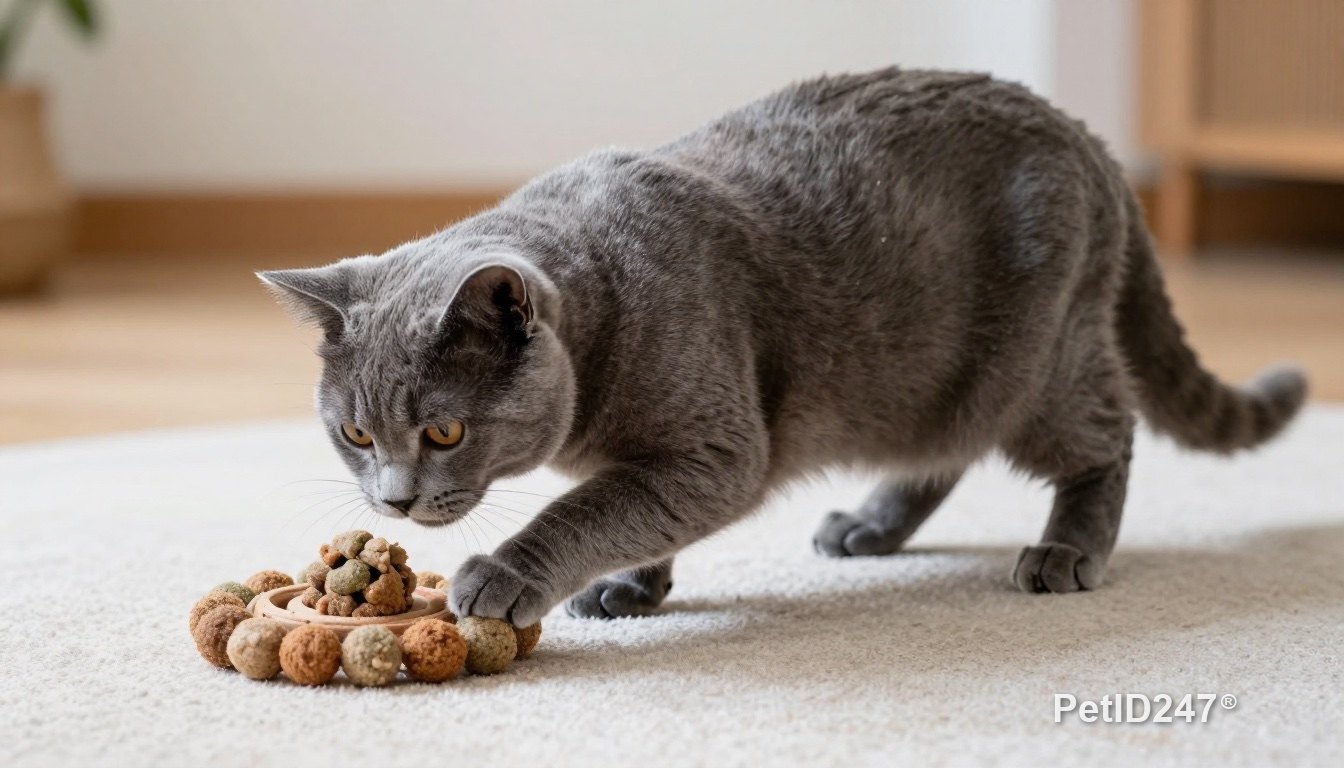
- Use a slow-feeder bowl or a kibble-dispensing toy so your cat has to “work” for its food.
- Divide kibble among a few spots around the house for your cat to find.
- In multi-cat homes, feed each cat separately so the overweight cat can't eat the others' food.
Get your cat moving
- Play several short sessions a day with a feather wand, letting your cat chase, leap and pounce.
- Place the food bowl somewhere high or on another floor so your cat has to climb and walk.
- Install shelves, cat trees and tall scratching posts to encourage climbing.
- Start gently with very overweight or senior cats and build up as they get fitter.
Track progress
Weigh your cat regularly, for example every few weeks, and write it down to see the trend. If your cat isn't losing weight or is losing it too fast, tell your veterinarian so the diet can be adjusted. Once your cat reaches its target weight, keep up the measuring and exercise habits so the weight doesn't come back.
When to see a vet
Take your cat for a checkup before starting a weight-loss plan so your veterinarian can assess its health and set a suitable goal. See a vet right away if your cat:
- Stops eating or eats very little for a day or two or more, especially if overweight.
- Has yellowing of the skin, whites of the eyes or gums.
- Drinks and urinates much more than usual, or loses weight quickly despite eating a lot.
- Strains to urinate, passes little urine or has blood in the urine.
- Has trouble moving, can't jump, is lethargic or vomits often.
This article was prepared with the help of artificial intelligence tools and reviewed by the PetID247 editorial team before publication. It is for reference only and does not replace an examination by a veterinarian.