Cat Not Eating: Common Causes and What to Do
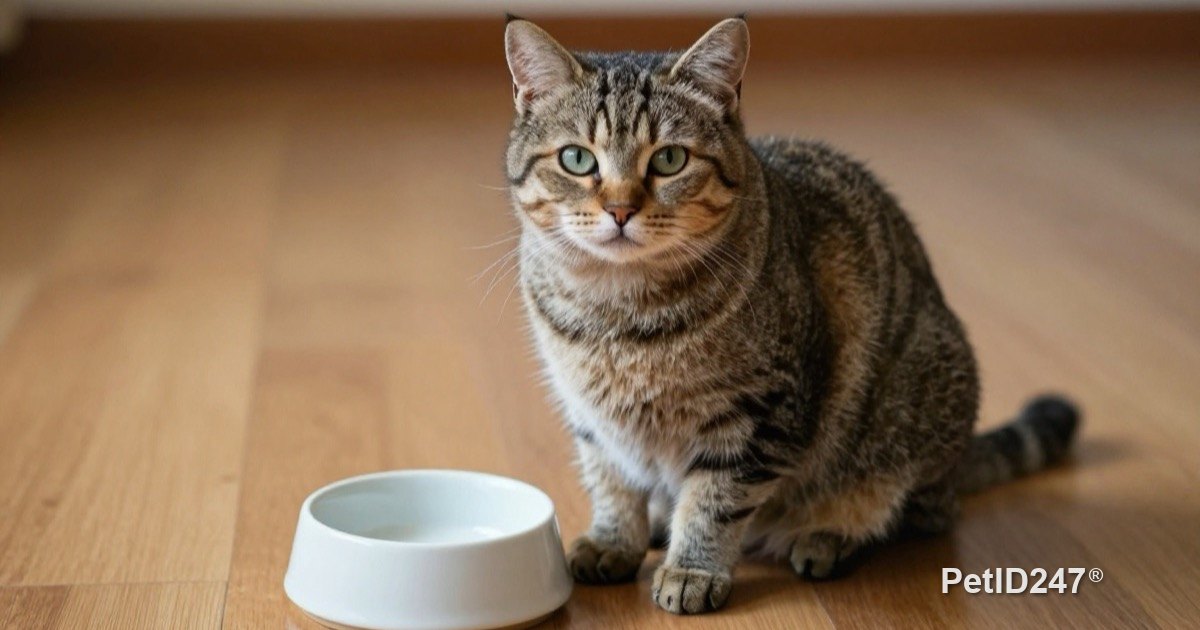
AI-generated illustration
A cat that stops eating is more serious than you might think: just a few days without food can cause liver disease. Common causes, what to do at home and when to see a vet.
A cat being picky for one meal may be nothing to worry about. But a cat that stops eating altogether is different from a dog or a person: just a few days without food can cause serious liver disease. That is why loss of appetite in cats always deserves attention.
Why it's dangerous when a cat stops eating
When a cat doesn't eat, the body mobilizes stored fat for energy. A cat's liver handles this large amount of fat poorly, and the fat builds up in the liver, causing fatty liver disease (hepatic lipidosis). This disease can be life-threatening. Overweight cats are especially at risk when they go without food.
The disease in turn makes the cat even less interested in food, creating a vicious circle. So don't wait too long to see whether your cat starts eating again on their own.
Common causes
Health causes
- Dental disease: gum inflammation, mouth inflammation and damaged teeth make chewing painful. Your cat may go to the bowl, sniff and walk away, or chew on one side only.
- Upper respiratory infection: a cat with a blocked or runny nose can't smell food and so doesn't want to eat.
- Nausea and digestive disease: gastroenteritis, intestinal parasites, pancreatitis.
- Swallowed foreign objects: string, thread, rubber bands or small toys can cause an intestinal blockage.
- Kidney, liver or thyroid disease, or diabetes: common in older cats.
- Fever, infection or pain anywhere, including joint pain or wounds from fighting.
- After vaccination or medication: some cats feel a little tired and eat less for about a day. If it lasts longer, let your veterinarian know.
Environmental and emotional causes
- Moving house, strangers in the home, a new pet, or the owner being away.
- A sudden change of food, spoiled food, or kibble that has gone stale from absorbing moisture.
- A food bowl placed near the litter box, in a noisy spot, or guarded by another cat.
- A narrow bowl that bothers the whiskers, or a bowl that smells of soap.
- Very hot weather.
Even when there is an obvious environmental reason, a cat can still develop liver disease if it goes without food for too long. Stress is not a reason to wait.
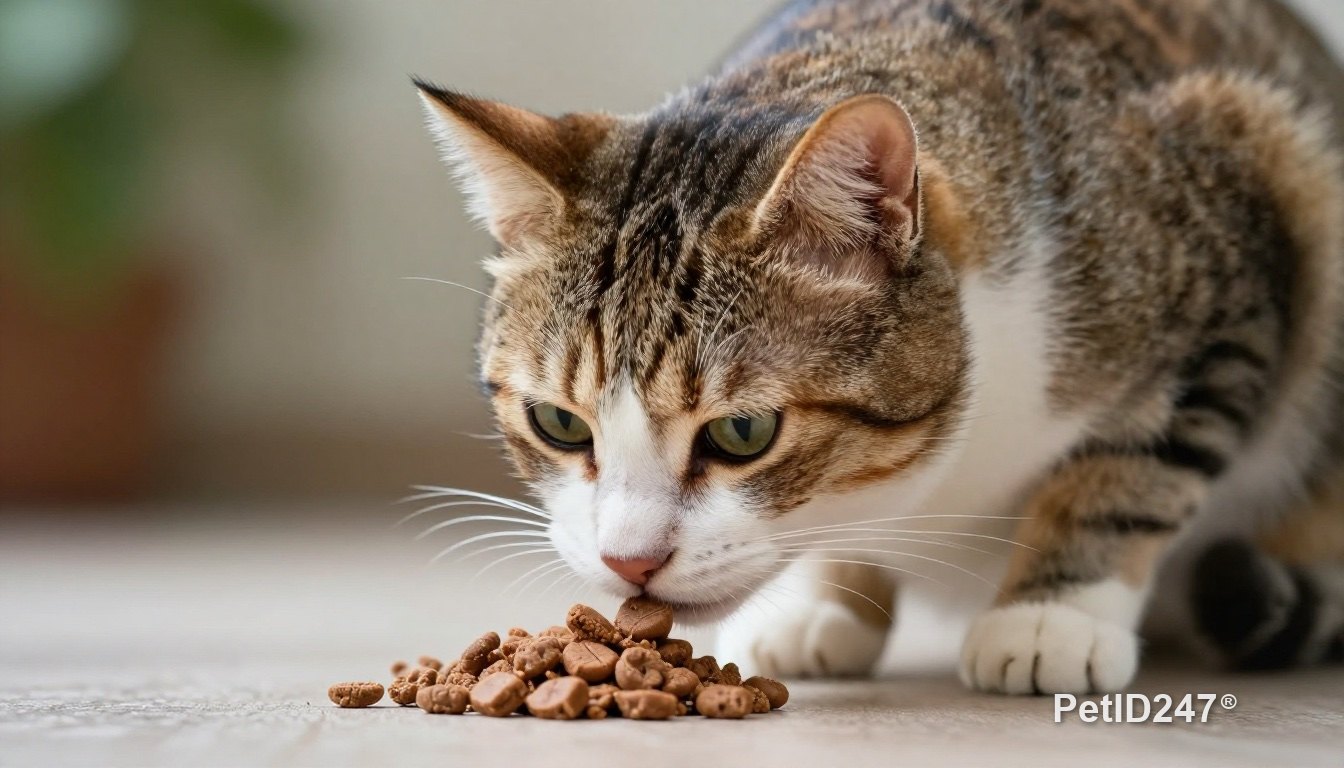
What you can do at home
If your cat is eating only a little less, is still alert, and is drinking and using the litter box normally, you can try:
- Checking the food: is it within its use-by date, does it smell odd, has it been stored airtight?
- Warming wet food to about body temperature to boost its aroma. Don't make it too hot.
- Feeding in a quiet spot from a shallow, wide bowl washed clean with no soap smell.
- Sitting nearby and gently encouraging your cat, as some cats eat better with their owner close by.
- Changing food gradually, mixing the new food into the old over about a week, instead of switching all at once.
- Reducing stress: keep a routine, give your cat hiding places, and separate cats that are not getting along.
Things you should not do:
- Don't force-feed by pushing food into your cat's mouth or syringe-feeding without guidance from your veterinarian. Your cat may choke and become even more averse to food.
- Don't give appetite stimulants, anti-nausea medicines or human medicines on your own. All medicines should be given only as directed by your veterinarian.
- Don't rely on human food to tempt your cat, especially dishes containing onion or garlic.
When to see a vet
Contact your veterinarian when:
- An adult cat has eaten nothing for about 24 hours, or has eaten very little for several days in a row.
- A kitten refuses food for even half a day, since kittens easily develop low blood sugar and dehydration.
- An overweight cat, an older cat, or a cat with a chronic illness loses its appetite.
Seek care immediately if loss of appetite comes with:
- Repeated vomiting or diarrhea, especially with blood.
- Lethargy, hiding in one place or not responding.
- Fast breathing or open-mouth breathing.
- Yellowing of the skin, the whites of the eyes or the ears.
- A bloated belly that is painful to the touch.
- Straining to urinate without passing anything, especially in male cats.
- Suspicion that your cat swallowed a foreign object or something toxic.
When you go to the vet, note when your cat last ate normally, the food they are on, any recent changes at home and any other signs. The clearer the information, the easier it is for your veterinarian to find the cause.
This article was prepared with the help of artificial intelligence tools and reviewed by the PetID247 editorial team before publication. It is for reference only and does not replace an examination by a veterinarian.