Cat Hairballs: Normal or Cause for Concern?

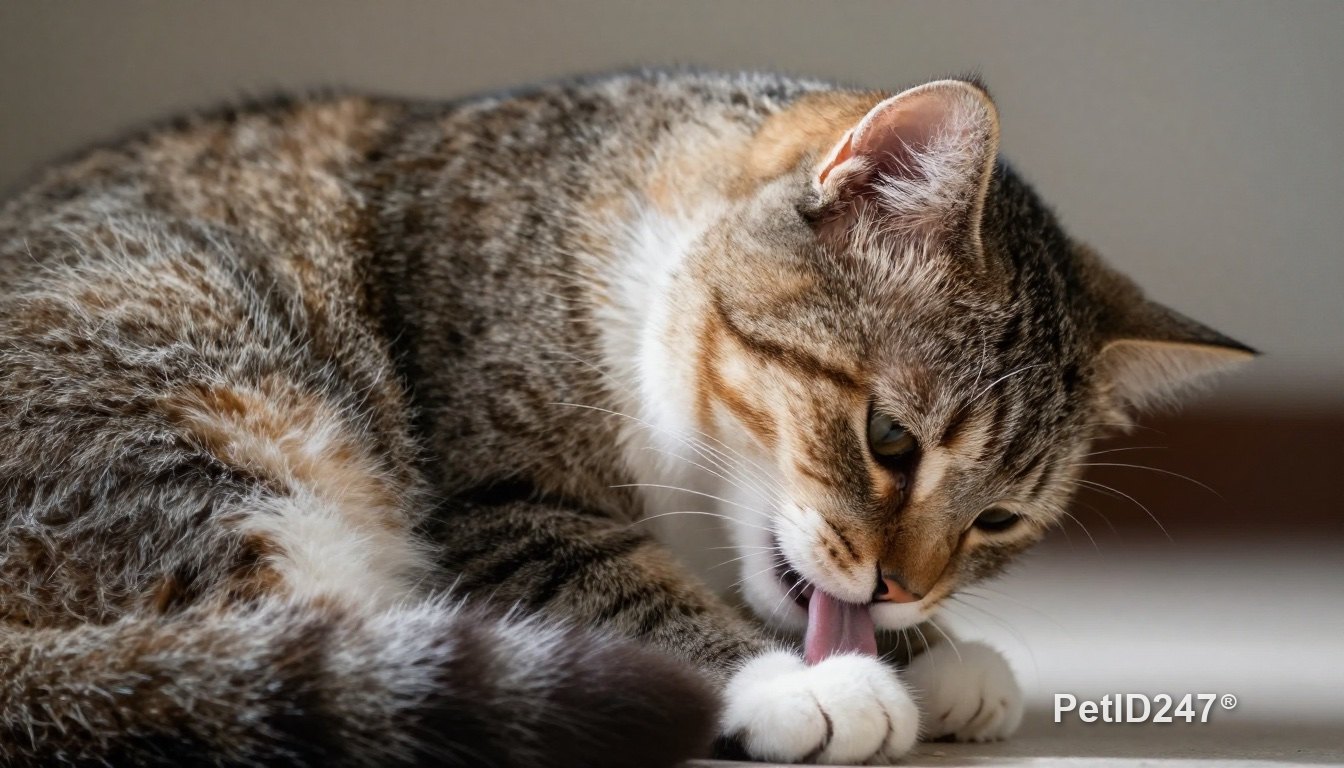
AI-generated illustration
An occasional hairball can happen, but frequent vomiting or retching with nothing coming up is a reason to see a vet. How to tell the difference and prevent hairballs.
You hear your cat retch a few times and then find a long clump of hair on the floor. Many people assume this is just part of life with a cat. In fact, an occasional hairball can be acceptable, but frequent hairballs are not normal. Knowing the difference helps you avoid missing an illness.
How hairballs form
Cats spend a lot of time each day grooming. A cat's tongue is covered in tiny backward-facing barbs that catch loose hair, which the cat then swallows. Most of this hair passes through the intestines and out in the stool. When hair builds up in the stomach faster than the gut can move it along, it clumps together and the cat vomits it up.
Hairballs are usually long and narrow, like a small cigar, because they are squeezed on the way up through the esophagus. Sometimes they are mixed with a little fluid or food. Despite the name, they are not round balls.
Cats are more prone to hairballs when they:
- Are a long-haired or thick-coated breed.
- Are in shedding season.
- Over-groom because of itching, allergies, skin parasites, stress or pain.
- Have sluggish gut movement, so hair isn't moved along regularly.
When it's normal and when it's worrying
There is no exact number that fits every cat. In general, a healthy adult cat that occasionally brings up a hairball and then eats, uses the litter box and plays normally right afterward is usually nothing to worry about. Many veterinarians consider hairballs more often than about once or twice a month worth a check-up.
Pay closer attention when:
- Your cat vomits several times a day or several days in a row.
- Your cat keeps gagging or retching without bringing up a hairball.
- Vomiting comes with loss of appetite, lethargy or weight loss.
- Your cat is constipated, not passing stool, or the stool contains lots of matted hair.
- The belly is bloated or your cat is in pain when you touch it.
- A kitten or short-haired cat vomits frequently.
Frequent vomiting in cats can be linked to many different illnesses, such as chronic intestinal inflammation, food allergies, kidney disease, thyroid disease or liver disease. A hairball is sometimes only the visible sign, while the real cause lies elsewhere.
Vomiting or coughing? Don't confuse them
Many owners think their cat is trying to bring up a hairball when the cat is actually coughing. When coughing, a cat usually crouches low, stretches the neck out close to the floor and makes a hacking sound with the mouth open, but nothing comes up. This can be a sign of a respiratory disease such as feline asthma.
If you see this happen repeatedly, record a video on your phone to show your veterinarian. A short video often makes diagnosis much easier than a verbal description.
How to reduce hairballs at home
Brush regularly
This is the most effective measure. Every hair you brush out is one your cat doesn't swallow. Long-haired cats should be brushed daily and short-haired cats a few times a week, with more brushing during shedding season.
Diet and water
- Add more wet food to increase water intake and support digestion.
- There are hairball-control foods with higher fiber content. Ask your veterinarian whether one is suitable for your cat.
- Encourage your cat to drink enough by placing several bowls of clean water around the home.
Reduce over-grooming
Keep up regular flea and tick prevention as directed by your veterinarian. Reduce stress by keeping a stable routine and providing hiding spots, climbing spaces and daily playtime. If your cat licks a patch of fur bald, that is a sign it needs a vet visit.
What not to do
- Don't give your cat cooking oil, mineral oil or human laxatives on your own. Oil can be inhaled into the lungs and cause pneumonia.
- Don't use hairball remedies long term without asking your veterinarian.
When to see a vet
Take your cat to the vet the same day if they vomit continuously, retch repeatedly with nothing coming up, have a bloated and painful belly, aren't passing stool, or are lethargic and refusing food. These can be signs of a hairball or foreign object blocking the intestines, which needs prompt treatment.
Book an appointment soon if:
- Your cat brings up hairballs more often than before.
- Your cat is losing weight, has a dull, scruffy coat or is grooming excessively.
- You're not sure whether your cat is vomiting or coughing.
Keep a note of how often your cat vomits, when it happens and what the vomit looks like, and take a photo if you can. This information helps your veterinarian find the cause faster.
This article was prepared with the help of artificial intelligence tools and reviewed by the PetID247 editorial team before publication. It is for reference only and does not replace an examination by a veterinarian.