Bringing a New Kitten Home: Preparing for Week One

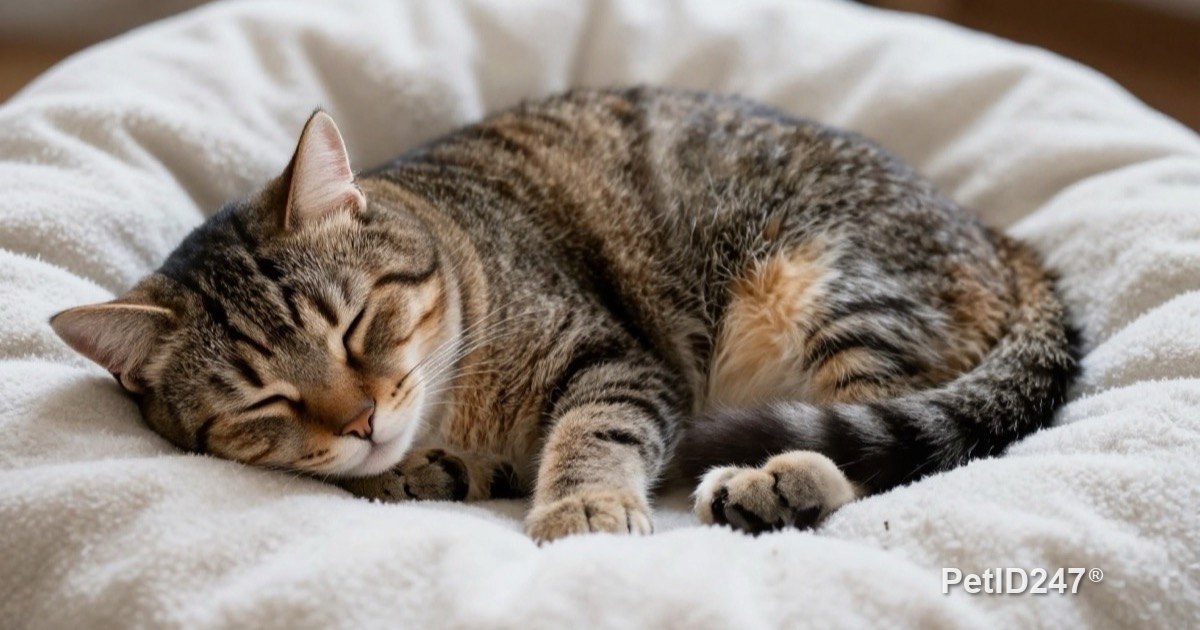
AI-generated illustration
Kittens are shy and easily stressed by a move. This guide helps you prepare supplies, a safe space, feeding and health care for your kitten's first week.
Cats are territorial, so moving to a new home can frighten a kitten into hiding in a corner for several days. That is a normal reaction. With careful preparation and patience, your kitten will soon treat its new home as its own.
Supplies checklist
- Litter box and litter: a box with low sides so the kitten can step in easily. Use the litter your kitten is already used to.
- Food and water bowls that are shallow and easy to clean. Place the water bowl well away from the litter box.
- Kitten food, ideally the food your kitten is already eating.
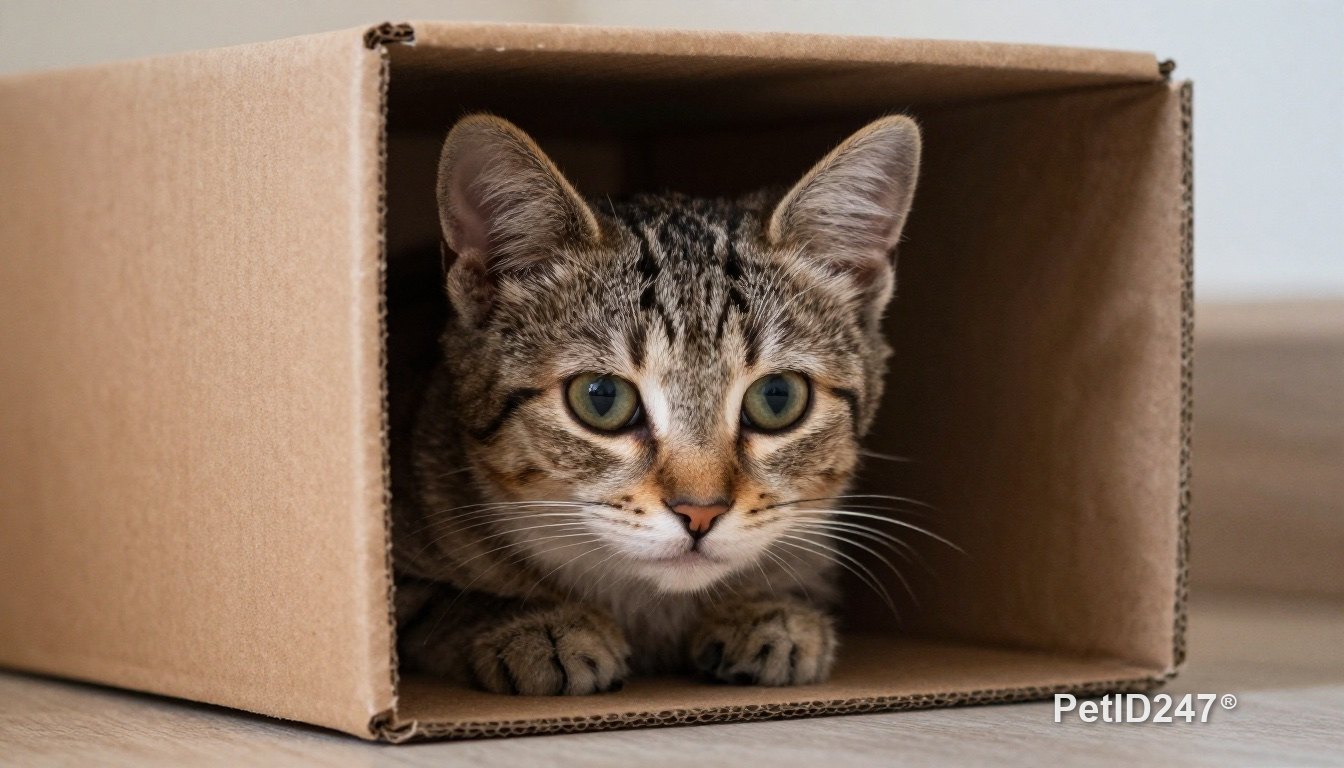
- A bed and a hiding place: a soft bed and a cardboard box with an entrance hole are enough for a kitten to feel safe.
- A scratching post so your kitten scratches in the right place.
- Toys such as feather wands and light balls.
- A sturdy carrier for trips to the vet.
Set up a "safe room"
Instead of letting your kitten loose in the whole house, set aside a small, quiet room for the first few days. Put the litter box, food, water, bed and hiding place in that room. Once your kitten is eating, drinking and using the litter box normally and confidently comes out of hiding, gradually let it explore the other rooms.
Check your home for hazards
- Put away electrical cords, charging cables, thread, sewing needles, rubber bands and plastic bags. Kittens love playing with string-like objects and may swallow them, causing an intestinal blockage.
- Close windows and screen balconies. Kittens can fall from heights.
- Check the washing machine, dryer and fridge before closing the door, because cats love to crawl into enclosed spaces.
- Remove potentially toxic flowers and plants from the house, especially lilies. Every part of the plant, including the pollen and the water in the vase, can cause severe kidney failure in cats.
- Put away medicines, especially human pain and fever medicines, which are highly toxic to cats.
Helping your kitten settle in
- Let your kitten come out of the carrier on its own; don't pull it out.
- Sit nearby, talk softly and let your kitten approach to sniff your hand.
- Play in short sessions several times a day using toys, not your hands or feet, so your kitten doesn't learn to bite and scratch people.
- Teach children how to hold a kitten properly: support the chest and rear, and sit down while holding it.
- If you have a dog or another cat, introduce them gradually: first through scent, then by letting them see each other through a door or barrier, and only then in supervised face-to-face meetings.
Feeding and health care
Keep feeding the food your kitten is used to during the first week. If you want to switch, mix the new food in gradually over about 7–10 days. Kittens need food made specifically for kittens, split into several small meals a day; check the guidance on the package and ask your veterinarian about portions. Don't give cow's milk, as many cats are lactose intolerant and can get diarrhea. Always provide fresh water.
Take your kitten for a general check-up in the first few days, bringing any vaccination and deworming records. As a common guideline, kittens usually start vaccinations at around 6–8 weeks of age, with several boosters until around 16 weeks of age or later. The exact vaccination schedule, deworming and parasite prevention are decided by your veterinarian. Every product must be one made for cats, used as directed by your veterinarian, and you should read the label carefully. Never use tick or flea products made for dogs on cats.
Kittens don't need regular baths. If your kitten isn't very dirty, gently wiping it with a damp cloth is enough.
When to see a vet
Kittens can go downhill quickly. See a vet right away if you notice:
- Not eating for about a day, or lethargy and little movement.
- Vomiting or diarrhea, especially with tiredness or bloody stool.
- Sneezing, nasal discharge, eye discharge, difficulty breathing or open-mouth breathing.
- Not urinating, or straining to urinate.
- A swollen belly, seizures, or a suspicion that your kitten swallowed thread, string, a toxin or a toxic plant.
A bit of hiding in the first few days is normal, but not eating and lethargy are not. When in doubt, ask your veterinarian.
This article was prepared with the help of artificial intelligence tools and reviewed by the PetID247 editorial team before publication. It is for reference only and does not replace an examination by a veterinarian.