Never Release Pet Turtles Into Ponds and Lakes
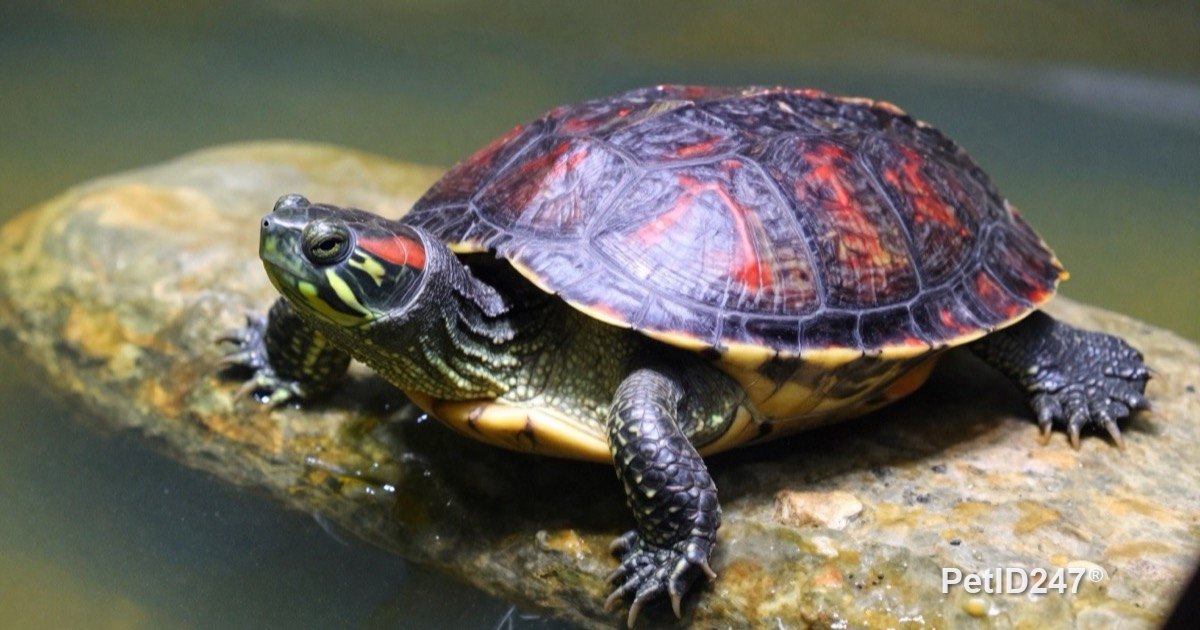
AI-generated illustration
Releasing a pet turtle into a pond may feel kind, but it usually harms both the turtle and the environment. Learn why, and the responsible options if you can no longer keep it.
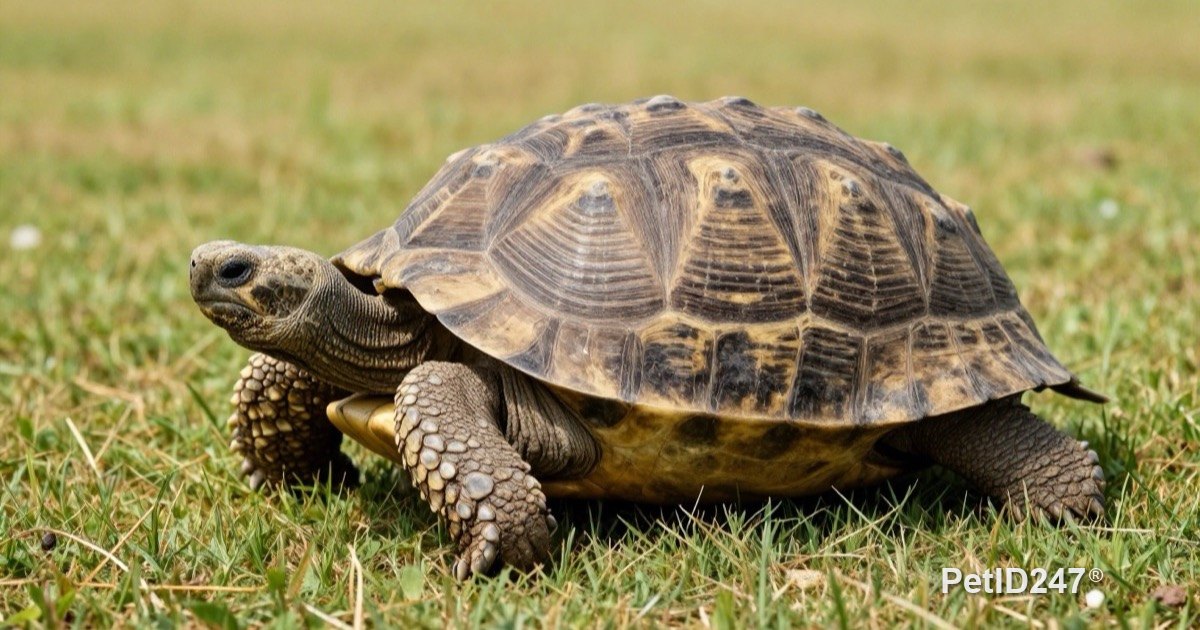
Many people buy a turtle the size of a coin; a few years later it's as big as a hand, the tank is cramped, the water smells, and the thought "let it go free in the lake" comes up. Some release turtles as a religious act of merit. However kind the intention, releasing pet turtles into the wild usually does more harm than good.
Why releasing turtles is harmful
For the turtle itself
- Pet turtles are used to being fed, aren't good at finding food, and are easily caught by dogs, birds or people.
- Many imported pet species don't suit the local climate or water where they're released, and slowly die of hunger, cold or disease.
- Urban ponds are often polluted, full of litter, fishing hooks and plastic bags.
- Turtles released at mass release events are often caught again and resold, over and over.
For the environment and native species
- Competition: some non-native turtles are highly adaptable, eat almost anything, breed quickly, and take food and basking spots from native turtles.
- Disease: pet turtles can carry pathogens and parasites that native species have never encountered.
- Ecosystem damage: turtles eat fish eggs, young frogs, snails and aquatic plants. As non-native turtle numbers grow, the food chain is disrupted.
The red-eared slider is a common example: it's widely kept and has been classed as an invasive non-native species in many parts of the world. Many places have rules restricting keeping, selling or releasing it, so check the rules where you live.
Think carefully before buying a turtle
- Turtles live a very long time; many species live for decades. Are you ready to care for one all that time?
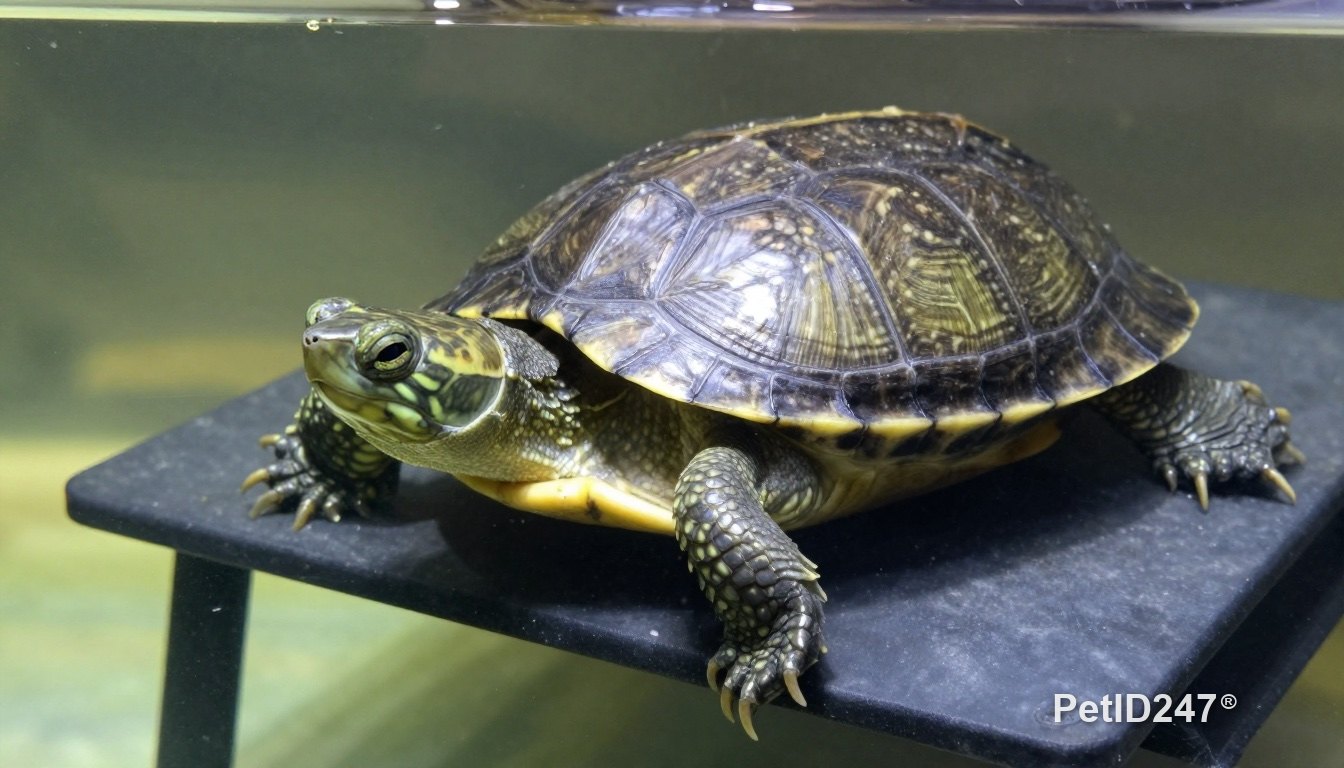
- Turtles grow bigger than you think. Look up the adult size and prepare a tank and basking area to match.
- Running costs: a powerful filter, heat lamp, UVB lamp, food and electricity.
- Legal sources: buy only from legal sources with proper paperwork; never buy wild-caught turtles or keep protected species without permission.
When you can't keep it any longer: responsible options
- Try to fix the problem first: many issues, like smelly water or a cramped tank, can be solved with better filtration, a larger tank, or a secure, escape-proof outdoor pond.
- Rehome it with an experienced keeper: ask reputable reptile keepers' groups or clubs, and be clear about the turtle's health and age.
- Contact an animal rescue organization or the local wildlife authority for guidance, especially for rare species.
- Ask your veterinarian about suitable options if the turtle is seriously ill or very old and frail.
If you want to do good for turtles, consider supporting native turtle conservation programs instead of buying turtles to release.
Preventing escapes
- Outdoor ponds need high walls with an anti-climb lip, and a base and fence footing that stop digging.
- Check drains and gaps after heavy rain.
- Cover the tank if the turtle can climb its basking rock and get out.
- Use an identification mark or photograph the shell's distinctive features so it's easier to identify if lost.
Summary
- Releasing pet turtles into ponds harms both the turtle and native ecosystems.
- Some popular turtle species are considered invasive; follow local rules.
- Research lifespan, adult size and costs before buying, and buy only from legal sources.
- If you can't keep a turtle, rehome it or contact a rescue or the authorities. Don't release it.
This article was prepared with the help of artificial intelligence tools and reviewed by the PetID247 editorial team before publication. It is for reference only and does not replace an examination by a veterinarian. How we write our articles