Metabolic Bone Disease in Reptiles: Signs and Prevention
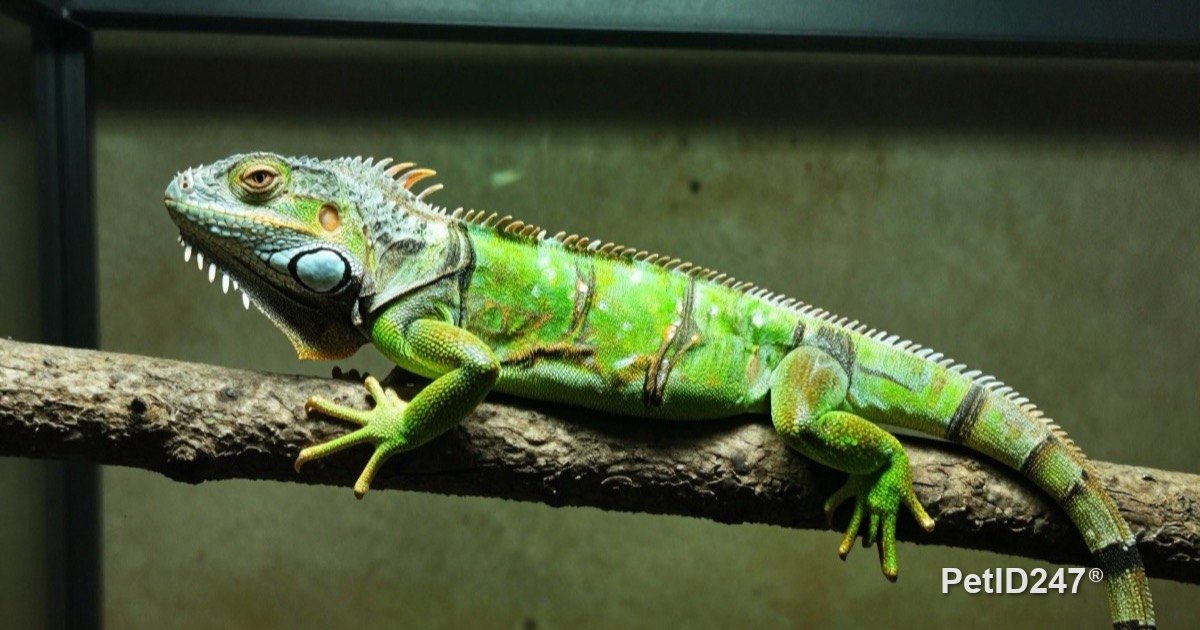
AI-generated illustration
Metabolic bone disease leaves reptile bones soft, bent and fragile, and can cause seizures. Learn the causes, early signs and how lighting, heat and diet prevent it.
Metabolic bone disease is one of the most common illnesses in pet reptiles, especially insect-eating and plant-eating lizards and turtles. The sad part is that most cases can be prevented if the enclosure and diet are right from the start. Catching it early gives the animal a much better chance of recovery.
What is metabolic bone disease?
It is an umbrella term for disorders that make bones weak, soft or deformed. The most common cause is a long-term lack of calcium. When blood calcium runs low, the body pulls calcium from the bones to keep vital functions such as muscle contraction and nerve signaling going. Over time the bones thin out, become rubbery, and bend or break easily.
Reptiles need three things working together for strong bones:
- Enough calcium in the diet, with a sensible calcium-to-phosphorus balance.
- Vitamin D3: many reptiles make vitamin D3 in their skin when exposed to UVB light. Without D3, calcium from food is poorly absorbed.
- The right temperature: a cold reptile digests and metabolizes poorly, which affects nutrient absorption.
Common causes
- Missing or inadequate UVB: no lamp, an old lamp that has stopped emitting UVB even though it still lights up, a lamp mounted too far away, or one blocked by glass, thick mesh or plastic.
- An unbalanced diet: a single type of calcium-poor insect, too much meat or calcium-poor produce, or minerals not supplemented properly.
- An enclosure that is too cold or lacks a basking spot.
- Kidney, liver or gut disease affecting calcium and vitamin D metabolism. Some cases are caused by hormonal disorders.
- Life stages with high calcium needs: fast-growing juveniles and egg-carrying females are at greater risk.
Snakes that eat whole prey, bones included, are less likely to get this disease, but that doesn't mean they never do.
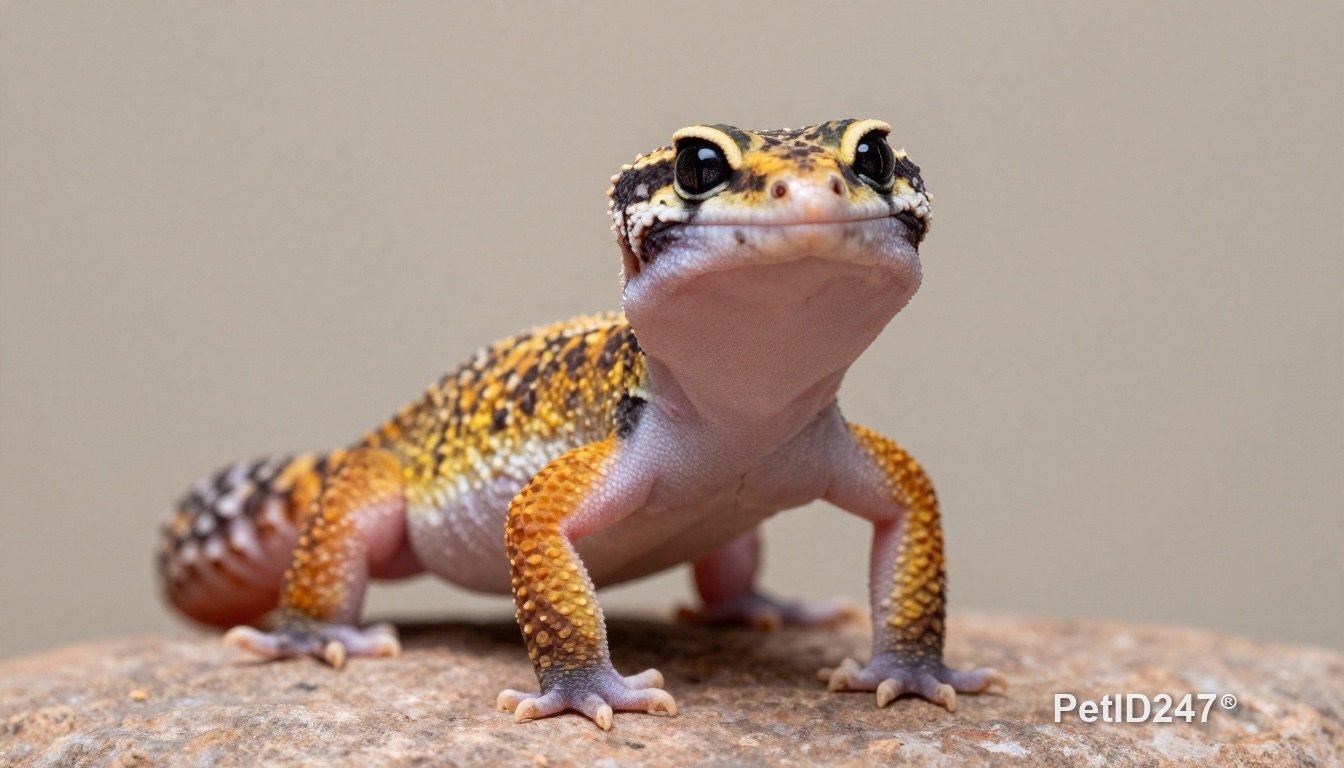
Signs to watch for
Early stage
- Less active, climbing less, eating less.
- Growing more slowly than others of the same age.
- Mild trembling or twitching in the toes or legs.
- Weak walking, with the belly dragging on the ground instead of being held up.
More advanced stage
- Soft jaw: a lower jaw that is soft, swollen or misshapen, making eating difficult.
- Swollen, bent legs: thick, swollen thighs and crooked legs.
- A curved spine or tail, or lumps along the bones.
- Fractures from even minor bumps.
- In turtles: a soft shell that dents when pressed, a deformed shell, or shell edges curling upward.
- Seizures or paralysis: caused by very low blood calcium. This is an emergency.
- Constipation, rectal prolapse, or difficulty laying eggs in females.
Diagnosis and treatment
Only a veterinarian can confirm whether an animal has metabolic bone disease and how severe it is. The vet may carry out a physical exam, take X-rays to check bone density and fractures, and run blood tests to assess calcium and organ function.
Treatment depends on severity and may include calcium and vitamin supplementation, correcting lighting, heat and diet, and supportive care while the animal is weak. All of it must be as directed by your veterinarian. Never give high doses of calcium or vitamin D3 on your own, because too much vitamin D3 and calcium is also harmful and can damage the kidneys. Deformed bones usually don't return to normal, but the animal can live a stable life with the right care.
Prevention through enclosure and diet
- Learn your species' UVB needs, use a suitable UVB lamp at the correct distance with nothing blocking it, and replace it as recommended on the product label (see also our article on UVB for reptiles).
- Keep the correct temperature gradient and basking spot for your species, measured with thermometers.
- Feed a varied diet suited to your species. Feeder insects should be well fed before being offered to your reptile.
- Supplement calcium and vitamins as directed by your veterinarian, and read the product label carefully.
- Only buy reptiles from a legal source with paperwork, never take them from the wild, and never release them. Get a new animal checked by a vet early.
When to see a vet
Take your reptile to a veterinarian experienced with reptiles if you notice:
- Trembling, twitching legs or seizures: go immediately.
- A soft or swollen jaw, swollen or bent legs, or a soft turtle shell.
- Fractures, difficulty walking or a dragging body.
- Slow growth, refusing food or lasting lethargy.
- An animal bought from a place without UVB lighting or with an unclear diet: get a health check early, even without signs.
When you go, take photos of the enclosure and note the lamp type, how long it has been in use, the temperatures and the diet. This information helps the vet find the cause faster.
This article was prepared with the help of artificial intelligence tools and reviewed by the PetID247 editorial team before publication. It is for reference only and does not replace an examination by a veterinarian.