Litter Box Training: How to Teach Your Cat
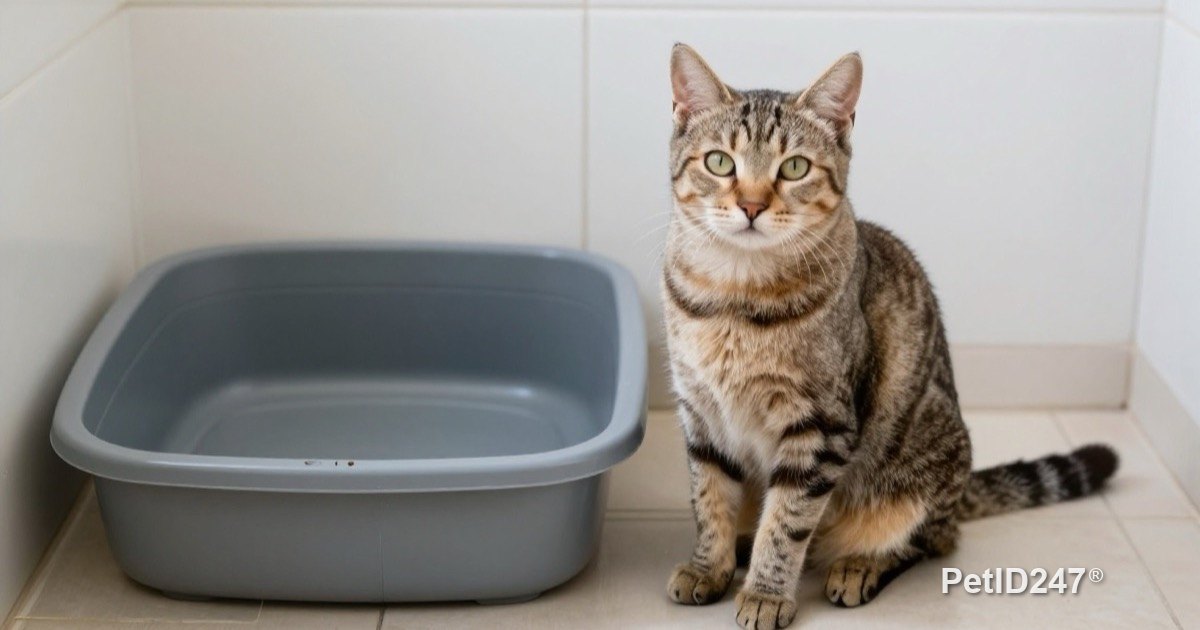
AI-generated illustration
Most cats know how to use a litter box, but the wrong box, location or poor cleaning can lead to accidents. Here's how to set up litter boxes your cat will use reliably.
Cats have a natural instinct to dig and bury their waste, so litter training a cat is usually much easier than house training a dog. Even so, cats are very picky. A box in the wrong place or litter with an unfamiliar smell can be enough to make a cat abandon the box and find another corner.
Choosing the right box and litter
The litter box
- Size: the box should be large enough for your cat to turn around comfortably. A guide is a box about one and a half times the length of your cat's body, not counting the tail.
- Sides: kittens and senior cats need a box with low sides so they can step in easily.
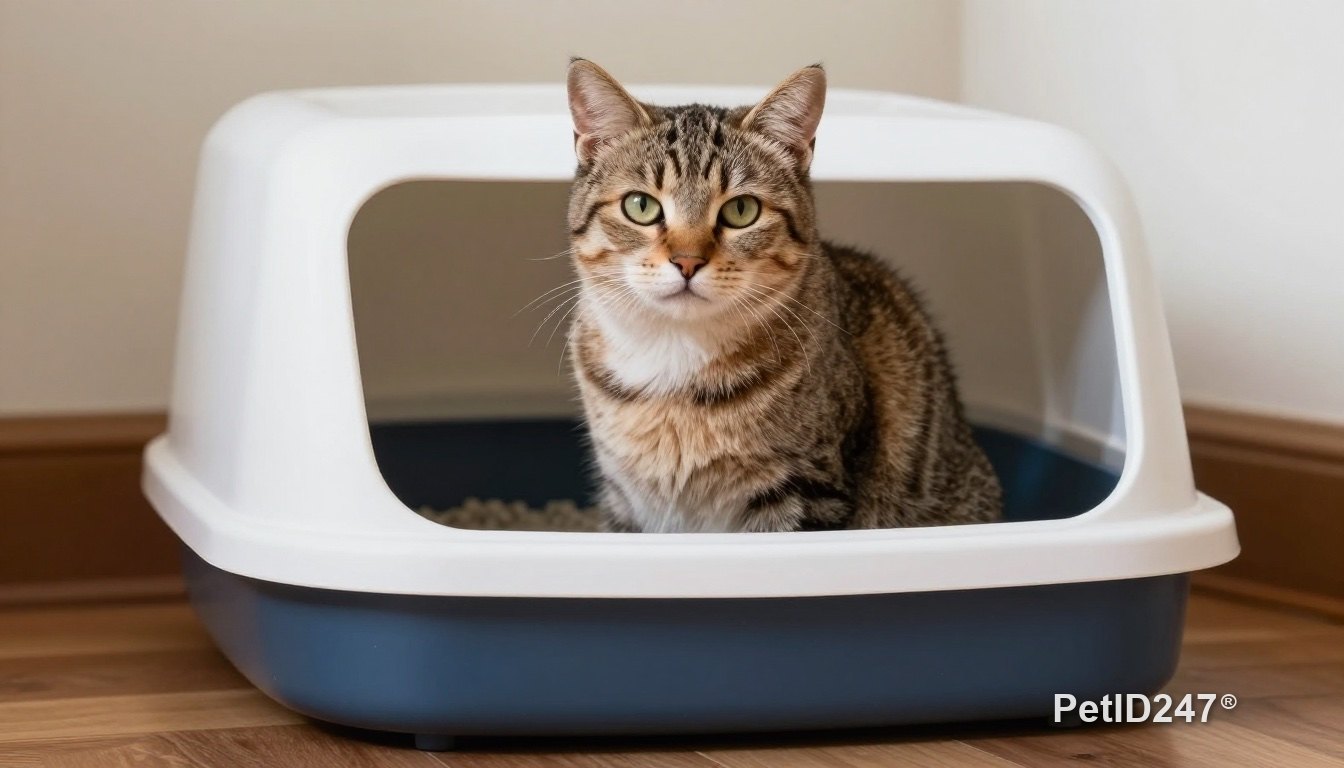
- Covered or uncovered: a covered box keeps litter from scattering, but it traps odors inside and some cats don't like it. If your cat seems hesitant, try removing the lid.
The litter
- Most cats prefer fine-grained, clumping, unscented litter.
- Avoid strongly scented litter. A cat's nose is far more sensitive than ours.
- Fill the box to a depth of about 5 cm (2 inches) as a guide, enough for your cat to dig and cover.
- If you want to switch litter types, gradually mix the new litter into the old over several days.
Where to put the box and how many you need
- Number: a common rule is one box per cat plus one extra. A home with two cats should have three boxes.
- A quiet spot with little foot traffic, away from the washing machine or other noisy appliances.
- Away from food and water. Cats don't like to eliminate near where they eat.
- Easy to reach: in a multi-story home, have a box on each floor. Don't put the box in a dead-end corner where your cat could feel trapped, especially in multi-cat homes.
- Avoid moving the box. If you must, move it a little at a time.
Steps to teach your cat to use the box
- When your cat first arrives, place it in the box so it can sniff and learn where it is.
- After your cat wakes up, eats or plays, gently take it to the box.
- If your cat shows signs of looking for a spot, such as sniffing, scratching the floor or squatting, carry it to the box.
- When your cat uses the box, leave it in peace; you can offer gentle praise once it's finished. Don't startle it.
- In the first few days, you can leave a little waste in the box so the smell helps your cat recognize the toilet spot.
When your cat goes in the wrong place
- Don't scold or hit your cat, and never push its nose into the mess. Your cat won't understand; it will only become fearful and start hiding to go somewhere more secluded.
- Clean up with an enzyme-based pet cleaner to remove the odor. Avoid ammonia-based cleaners, because the urine-like smell can draw your cat back to the same spot.
- Temporarily cover the spot your cat keeps using, or place a food bowl there, since cats rarely eliminate where they eat.
Keep the box clean so your cat doesn't abandon it
- Scoop poop and clumps at least once a day, ideally twice.
- Regularly replace all the litter and wash the box with water and mild soap, rinsing thoroughly to remove odors, and let it dry before adding fresh litter.
- Old, scratched plastic boxes hold onto odors, so replace the box when needed.
When to see a vet
A cat that suddenly stops using the box after using it well usually has a reason, sometimes an illness. Take your cat to a veterinarian if:
- Your cat urinates frequently but only a little each time, strains or cries while urinating, or has blood in the urine.
- Your cat strains in the box without producing any urine, especially a male cat. This may be a urethral blockage, an emergency that needs a vet immediately.
- There is diarrhea, constipation or blood in the stool.
- Your cat is drinking and urinating unusually often.
- A senior cat struggles to step into the box, possibly due to joint pain.
- Your cat keeps eliminating outside the box even though it is clean and well placed.
Once your vet has ruled out medical causes, changes such as a new family member, moving house, a different litter or conflict between cats can also cause stress. In that case, adjusting the environment as described above often helps your cat return to the box.
This article was prepared with the help of artificial intelligence tools and reviewed by the PetID247 editorial team before publication. It is for reference only and does not replace an examination by a veterinarian.