Kidney Disease in Senior Cats: Early Signs to Know
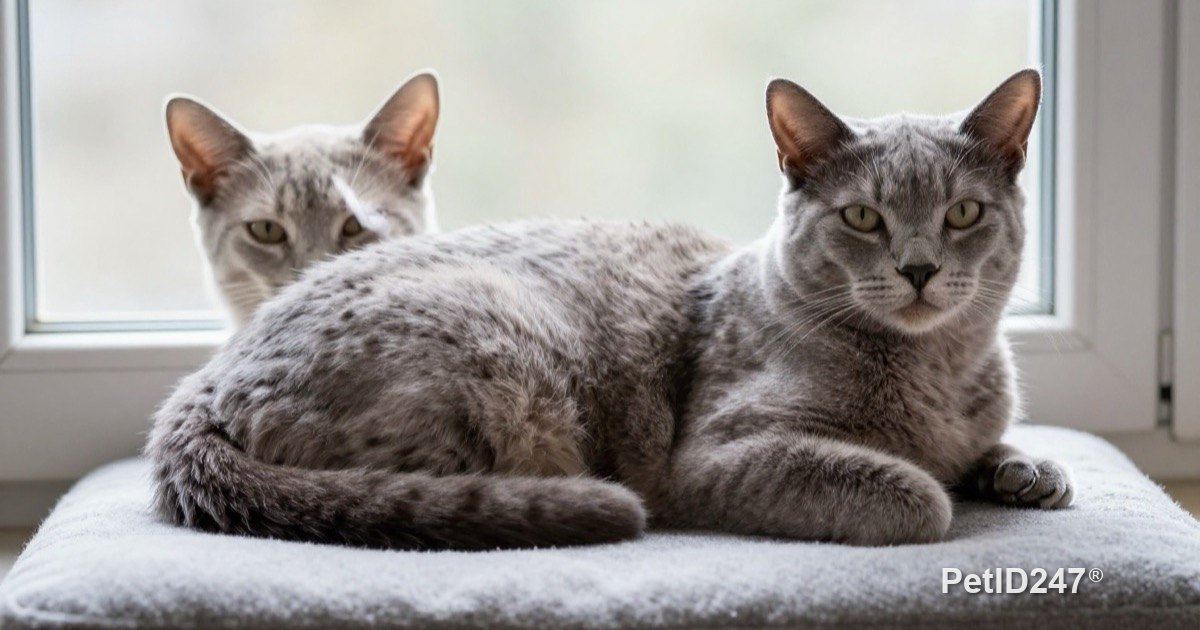
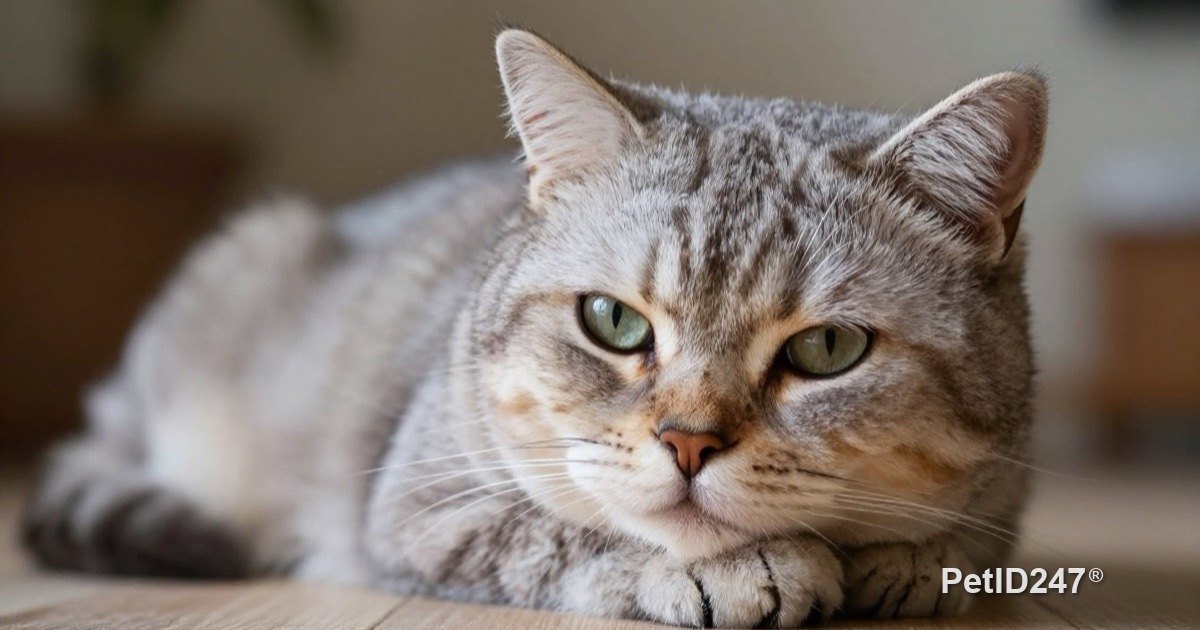
AI-generated illustration
Chronic kidney disease is very common in older cats and progresses quietly. Learn the early signs, why testing matters and how to care for your cat at home.
Chronic kidney disease is one of the most common illnesses in older cats. The difficulty is that it progresses very slowly: the cat keeps eating and playing, and by the time symptoms are obvious, the kidneys are often already quite damaged. Knowing the early signs and taking your cat for regular checkups helps catch the disease in time to slow it down.
What is chronic kidney disease in cats?
The kidneys filter waste out of the blood, keep water and minerals in balance, and help regulate blood pressure. In chronic kidney disease, the filtering units are gradually damaged and don't recover. The remaining kidney tissue has to work harder, so signs only appear once most of the function is lost.
Chronic kidney disease can't be cured, but with early detection and proper care many cats live comfortably for a long time. It's different from acute kidney injury, which happens suddenly from poisoning (for example lilies, some human painkillers or antifreeze), a urinary blockage or infection. Acute injury is an emergency.
Early signs that are often missed
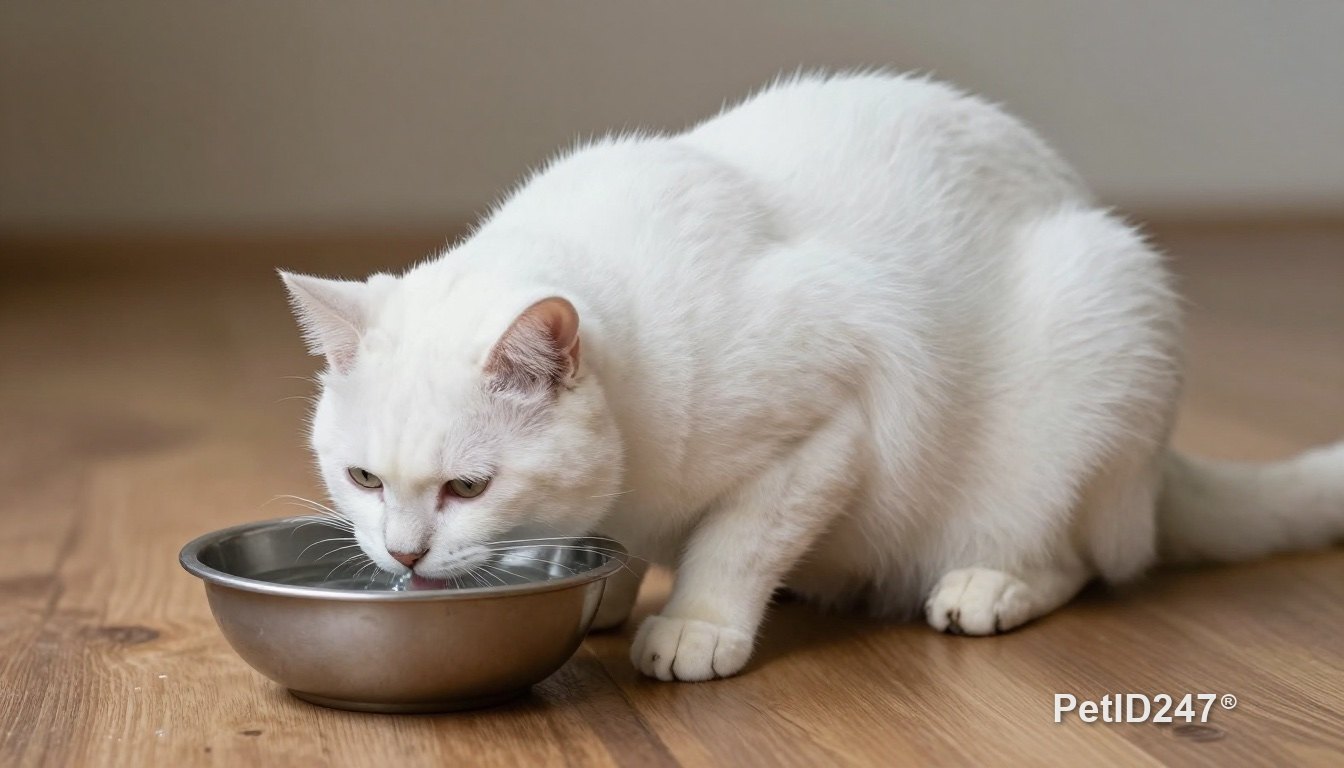
- Drinking more: your cat visits the water bowl more, drinks from taps, sinks, even your glass.
- Urinating more: bigger and more urine clumps, a box that gets wet quickly. Some cats start peeing outside the box.
- Gradual weight loss: the spine and hip bones feel more prominent even though your cat still eats.
- Poor or picky appetite: eating a few bites and walking away, only wanting certain foods.
- A dry, scruffy coat and less grooming.
- Occasional vomiting, and breath with an ammonia-like or unusual smell.
- Constipation, due to dehydration.
- Less activity, more sleeping, and seeming to age quickly.
Many of these signs are easy to dismiss as "just getting old." Don't ignore them, because they can also be caused by other diseases such as hyperthyroidism or diabetes, and all of these need a vet visit.
Regular checkups and tests
The best way to catch kidney disease early is regular health checks. By common recommendations, cats from about 7 years old should be checked at least once a year, and older seniors are often advised to go every six months. Your veterinarian will decide the right schedule for your cat.
If kidney disease is suspected, your vet will usually recommend:
- Blood tests: to measure waste products the kidneys should be clearing, along with mineral levels.
- Urine tests: to see whether the urine is dilute, contains protein or shows infection.
- Blood pressure measurement: high blood pressure often accompanies kidney disease and can damage the eyes, heart and brain.
- Ultrasound if needed, to look at kidney structure.
Based on the results, your veterinarian will stage the disease and make a care plan tailored to your cat.
Caring for a cat with kidney disease at home
- Diet: your vet may prescribe a food designed for cats with kidney disease. Switch gradually so your cat accepts it. Don't move to a homemade diet without guidance.
- Help your cat drink enough: offer more wet food, put water bowls in several places, try wide shallow bowls or a running-water fountain, and refresh water daily.
- Monitor at home: weigh your cat regularly and note how much it eats and drinks, and the number and size of urine clumps.
- Medicines and fluids: use only as directed by your veterinarian. Never give your cat painkillers yourself, especially human ones.
- Keep your cat comfortable: a warm bed, an easy-access litter box, and food bowls in a quiet spot.
- Go to follow-up visits so your vet can adjust the plan as things change.
When to see a vet
Book a vet visit soon if your older cat is drinking more, urinating more, losing weight or becoming gradually picky about food. Go the same day if your cat:
- Refuses food completely for more than a day, or vomits repeatedly.
- Is weak, lying still, trembling or walking unsteadily.
- Passes very little or no urine, or strains in the litter box.
- Suddenly loses vision, has very dilated pupils or bumps into things.
- May have eaten lilies, antifreeze, human medicines or chemicals.
This article was prepared with the help of artificial intelligence tools and reviewed by the PetID247 editorial team before publication. It is for reference only and does not replace an examination by a veterinarian.