Feline Panleukopenia: Signs and Prevention
AI-generated illustration
Panleukopenia is a dangerous infectious disease, especially for kittens. Learn the early signs, how it spreads and the steps that protect your cat.
Feline panleukopenia, sometimes called feline distemper, is one of the most dangerous infectious diseases in cats. It spreads very easily, progresses quickly and can be fatal, especially in unvaccinated kittens. The good news is that it can be prevented effectively with vaccination and proper hygiene.
What is panleukopenia?
The disease is caused by a feline parvovirus. The virus attacks rapidly dividing cells in the body, mainly in:
- The bone marrow: sharply reducing white blood cells and leaving the cat unable to fight off bacteria. This is where the name “panleukopenia” (a drop in all white blood cells) comes from.
- The intestinal lining: causing vomiting, diarrhea and severe dehydration.
- Developing fetuses: a pregnant cat that becomes infected may miscarry, or give birth to kittens with damage to the cerebellum that makes them wobbly.
The disease does not spread to people. Cats of any age can catch it, but kittens from a few weeks to a few months old, unvaccinated cats and cats in crowded settings are at highest risk.
How it spreads
The virus is shed in large amounts in the feces, vomit and secretions of sick cats. What makes it so troublesome:
- It survives a very long time in the environment: it can persist for many months or even longer on floors, litter boxes, bowls and bedding.
- It resists many common household cleaners.
- It spreads indirectly: on shoes, clothes, hands and carriers. That's why even a cat that never goes outside can be infected.
- Recovered cats may continue to shed the virus in their feces for a while.
Signs to watch for
Signs usually appear from a few days to about two weeks after exposure. The disease can progress very quickly:
- Extreme tiredness, lethargy, lying in one place or hiding in corners.
- Complete loss of appetite.
- Fever, or in severe stages a low body temperature.
- Repeated vomiting, sometimes of yellow fluid or foam.
- Diarrhea, loose stools that may contain blood and have a very foul smell.
- Dehydration: dry gums, sunken eyes, skin that has lost its elasticity.
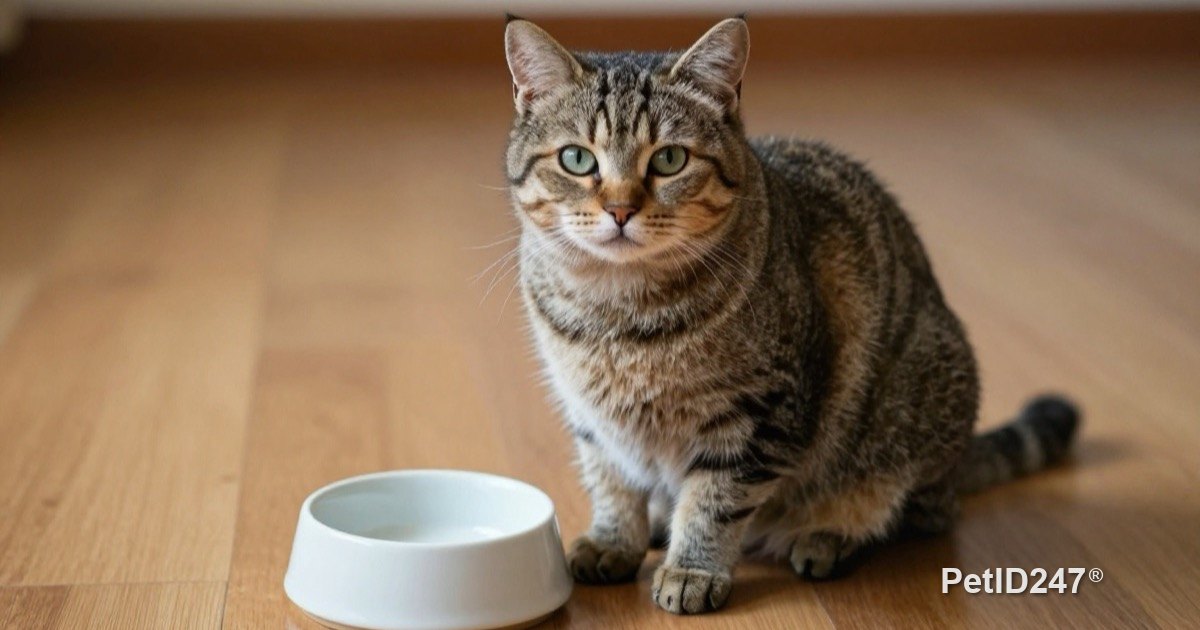
- Abdominal pain: the cat sits hunched, head hanging over the water bowl without drinking.
In kittens, the disease can be so fast that the kitten dies suddenly before many signs are seen. Many of these symptoms also occur with other diseases, so only a veterinarian can diagnose panleukopenia, usually with tests.
Treatment
There is no drug that directly kills this virus. Treatment is supportive: fluids, controlling vomiting, preventing secondary infections, nutrition and intensive nursing, usually in an isolation ward. Treatment must be carried out by a veterinarian. The sooner your cat is seen, the better its chances. Don't try to give fluids or medicines at home on your own.
Prevention
Vaccination
The panleukopenia vaccine is one of the core vaccines recommended for every cat, including indoor-only cats. Kittens need several doses in their first months and boosters later. The exact schedule is decided by your veterinarian (see our article on basic kitten vaccinations).
Hygiene and isolation
- Quarantine new cats: keep a new cat separate for a while, and have it examined and vaccinated before meeting your other cats.
- Don't take kittens that aren't fully vaccinated to places with many cats or unfamiliar cats.
- Wash your hands and change your shoes after handling unfamiliar or stray cats, before touching your own cat.
- If a cat at home is sick: isolate it, use separate supplies, and clean litter boxes, bowls and floors with a disinfectant that is effective against parvovirus, diluted exactly as the label directs. Ask your veterinarian about suitable disinfection.
- Before bringing a new cat into a home that had a sick cat: ask your veterinarian how long to wait, and only bring in a fully vaccinated cat.
When to see a vet
Take your cat to the vet right away, without waiting until the next day, if it:
- Suddenly becomes very weak or stops eating, especially a kitten or an unvaccinated cat.
- Vomits repeatedly or has diarrhea, particularly with blood.
- Shows signs of dehydration, feels cold or lies flat and unresponsive.
- Has recently been around a sick cat or a new cat of unknown vaccination status and now seems unwell.
When you call the clinic, mention that you suspect an infectious disease so staff can prepare an isolation area and protect other animals.
This article was prepared with the help of artificial intelligence tools and reviewed by the PetID247 editorial team before publication. It is for reference only and does not replace an examination by a veterinarian.