Feeder Insects for Reptiles: Choosing and Gut-Loading
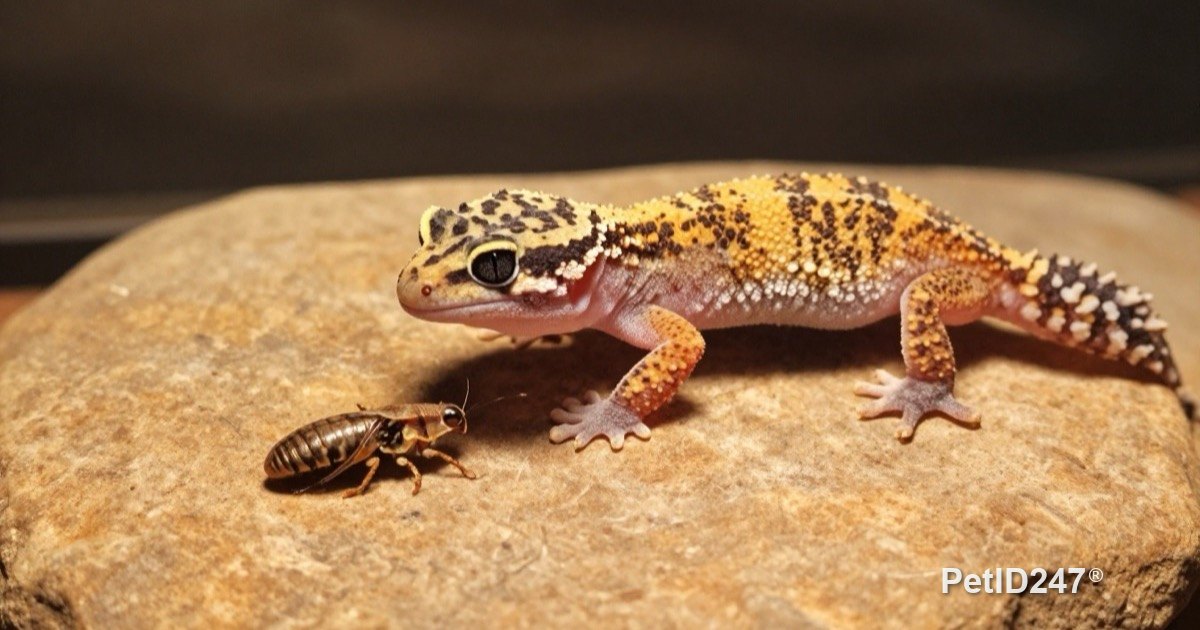
AI-generated illustration
Crickets, roaches and worms are the main food for many reptiles. Learn how to choose feeder insects, size them correctly, gut-load them and what to avoid.
For leopard geckos, bearded dragons, tokay geckos and many other reptiles, insects are the most important part of the diet. But not all insects are equal. Choosing the right type and size, and keeping your feeder insects well, decides a great deal about your reptile's health.
Why feeder insects need careful choosing
Insects are naturally low in calcium and high in phosphorus, and each type differs in protein, fat and shell hardness. If a reptile eats only one kind of insect without proper supplementation, it can easily become malnourished, obese or develop metabolic bone disease. Insects of unknown origin may also carry parasites or pesticides.
Common feeder insects
- Crickets: easy to find and very active, which encourages reptiles to hunt. On the downside, they chirp, smell, and can die off en masse if not kept well ventilated. Crickets can bite reptiles if left in the enclosure overnight.
- Feeder roaches: several roach species bred as feeders are quite nutritious, low in odor and easy to keep. Choose species that can't climb smooth walls or fly, so they don't escape into your home. Check the rules where you live before keeping them.
- Mealworms: easy to store, but they have a hard shell and are high in fat, so they shouldn't be the only food.
- Superworms: bigger than mealworms and high in fat; suitable only for larger reptiles and best offered in rotation.
- Black soldier fly larvae: popular with many keepers because their calcium balance is better than many other insects. Small in size, they suit juveniles.
- Waxworms and silkworms: very fatty; use only as treats or to help a thin animal start eating again, following your veterinarian's advice.
Variety is a key principle: rotating several types of insects makes the diet more balanced and keeps your reptile interested in its food.
Choosing the right prey size
A common rule of thumb is that insects should be no larger than the space between your reptile's eyes. Prey that is too large can cause choking, regurgitation or intestinal blockage, especially in juveniles. With hard-shelled insects such as mealworms, choose freshly molted, soft white ones for small reptiles.
Gut-loading insects before feeding
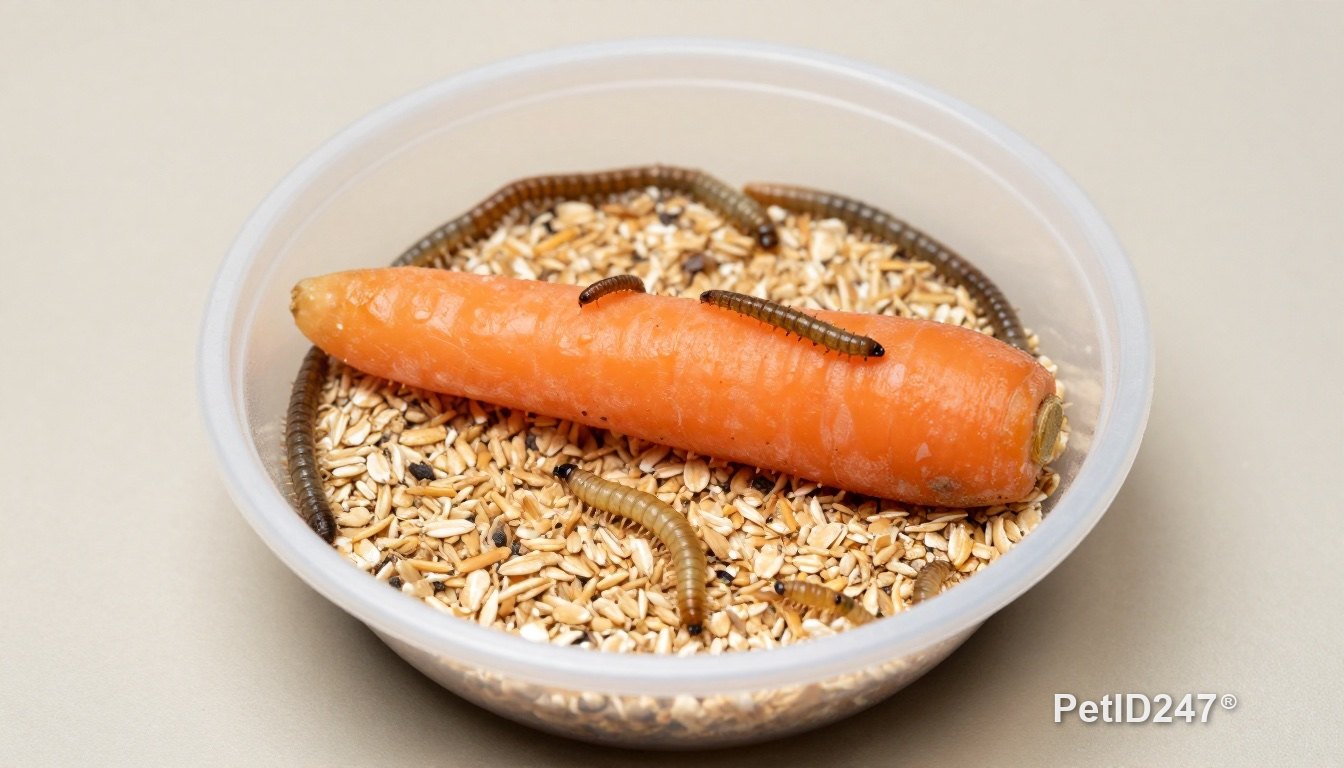
Store-bought insects are often hungry and low in nutrients. Reptile keepers commonly gut-load insects for about one to two days before feeding them to the reptile, so the nutrients in the insect's gut pass on to the reptile.
- Food for insects: dark leafy greens, carrot, squash, whole grains, or a commercial feeder-insect diet.
- Water: use slices of juicy vegetables or water gel instead of a water dish, so insects don't drown.
- Avoid: spoiled food, salty food, and regular feeding of dog or cat food, which can upset the nutritional balance.
Keeping feeder insects
- Use a well-ventilated container with a mesh lid, kept dry and clean.
- Add egg crate cardboard so insects have surfaces to cling to and aren't overcrowded.
- Remove dead insects, droppings and spoiled food regularly to prevent odor and mold.
- Keep them somewhere with a stable temperature, out of direct sunlight.
- Don't buy too many at once if you only keep one or two reptiles.
Things to avoid
- Never use wild-caught insects: they may carry pesticides or parasites. Some, such as fireflies, are toxic to reptiles.
- Don't leave live insects in the enclosure for long: crickets and worms can bite a sleeping reptile. Remove uneaten insects after the meal.
- Don't feed only one type of fatty worm.
- Don't feed a cold reptile: reptiles need the right temperature to digest. Feeding before the enclosure has warmed up can cause digestive problems.
Alongside gut-loading, keepers usually dust insects with calcium and vitamin powder before feeding. Which product and how often depends on the species, age and UVB lighting in the enclosure; follow your reptile veterinarian's directions and read the product label carefully.
Summary
Insects are the main meal for many reptiles, so buy from clean, farmed sources, rotate several types, choose prey no larger than the space between the eyes, and gut-load insects before feeding. Don't use wild-caught insects, and don't leave live insects in the enclosure overnight. And remember: your reptile should also come from a legal source with paperwork, never from the wild, and must never be released into the environment. If your reptile stops eating for a long time or loses weight, ask a veterinarian experienced with reptiles.
This article was prepared with the help of artificial intelligence tools and reviewed by the PetID247 editorial team before publication. It is for reference only and does not replace an examination by a veterinarian.