Corn Snakes for Beginner Reptile Keepers
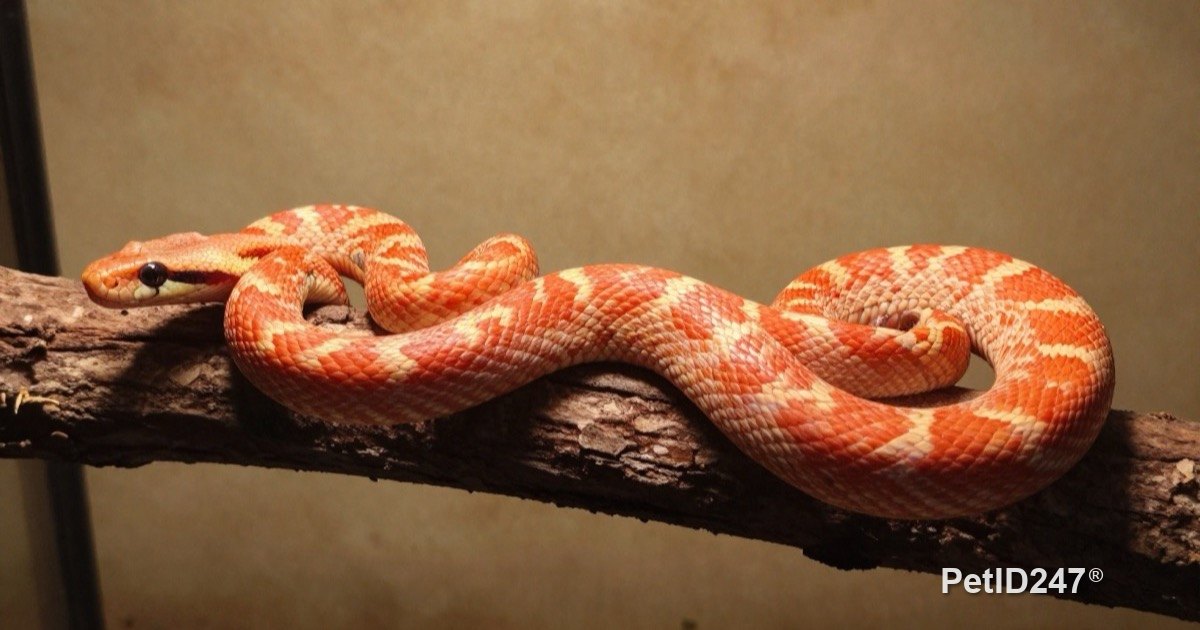
AI-generated illustration
Corn snakes are gentle, easy to handle and come in many colors, making them a popular first reptile. Learn about enclosures, temperatures, food and long-term commitment.
If you want a snake but have no experience, the corn snake is usually the first species people recommend. It is non-venomous, generally docile, a manageable size and available in a huge range of color variants. Even so, a corn snake is a long-lived animal with its own needs, and you should prepare carefully before bringing one home.
Getting to know the corn snake
- Origin: corn snakes come from North America. Those sold as pets today are mainly bred in captivity.
- Size: adults are usually around 1.2–1.5 m long, as a guide, with a slender body that isn't too bulky.
- Lifespan: with good care, corn snakes can live around 15–20 years, and some live longer. This is a long-term commitment.
- Temperament: babies can be jumpy, may hiss or rattle their tails, but most settle down with gentle, regular handling.
Before you buy: sourcing and responsibility
- Only buy from a legal source with proper paperwork showing where the snake came from. Learn and follow the rules on keeping reptiles where you live.
- Never take snakes from the wild, and don't buy snakes of unknown origin.
- Never release a snake into the environment. Corn snakes are not native to most of the world. A released snake may die or become an invasive species that harms local wildlife. If you can no longer keep it, find a responsible new home.
- Choose a healthy snake: clear eyes, an evenly rounded body, no wounds, no abnormal flaking scales, no mites, and no wheezing when it breathes. Ideally, pick one that is already feeding reliably on its own.
Setting up the enclosure
Size and security
Corn snakes are escape artists. The enclosure needs a sturdy lid with a lock or latch and no gaps. Babies can start in a smaller enclosure, but adults need plenty of space. A common guideline for an adult is an enclosure roughly 120 cm long and about 60 cm wide and tall. Bigger is better, as long as the snake has enough places to hide.
Temperature
Snakes are cold-blooded and regulate their body temperature by moving between warm and cool areas. The enclosure needs a temperature gradient:
- Warm side: approximately 29–32°C, as a guide.
- Cool side: approximately 24–27°C.
- At night: a slight drop is normal.
Use a heat lamp or heat mat controlled by a thermostat, and place thermometers at both ends of the enclosure. Avoid heat rocks with no temperature control, because a snake can be burned without moving away. Many keepers now add low-output UVB lighting; talk to a reptile veterinarian if you'd like to use it (see also our article on UVB for reptiles).
Furnishings
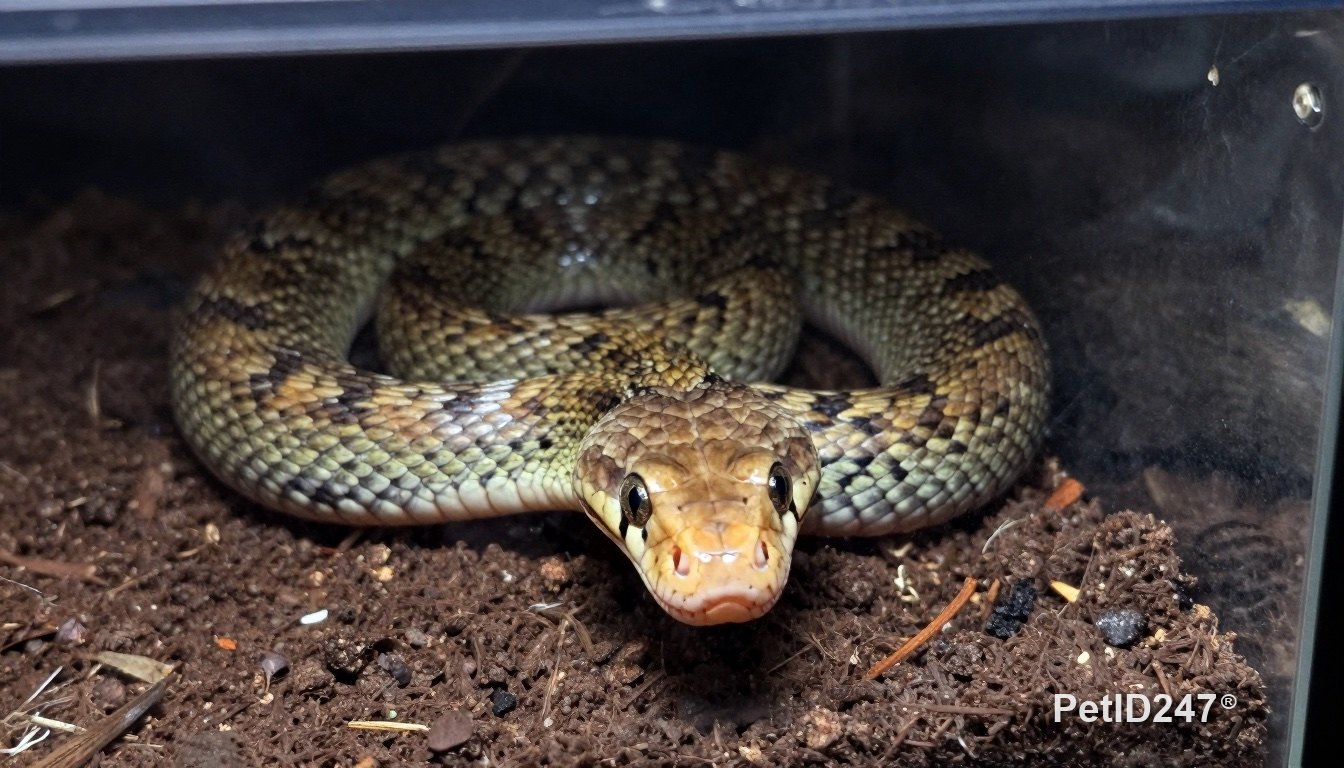
- At least two hides: one on the warm side and one on the cool side, so the snake never has to choose between feeling secure and being at the right temperature.
- Substrate: something the snake can burrow in, that is easy to replace, low in dust and free of strong aromatic oils.
- A clean water bowl big enough for the snake to soak in, refreshed often.
- Branches, rocks and artificial plants for climbing and for rubbing against when shedding.
Feeding your corn snake
Corn snakes eat rodents. Use frozen mice, fully thawed and warmed before feeding. Live rodents can bite and scratch, injuring the snake badly.
- Prey size: usually about the same width as, or slightly wider than, the thickest part of the snake's body.
- Frequency, as a guide: babies eat more often, around once a week; adults less often, around every 10–14 days. Adjust to body condition and your veterinarian's advice.
- Use long tongs to offer food, so the snake doesn't mistake your hand for dinner.
- Don't handle the snake for about two days after a meal to avoid regurgitation.
- Snakes may refuse food before a shed; this is usually normal.
Handling and hygiene
Let a new snake settle for about a week before handling. Handle gently, supporting the whole body, never grabbing the head or tail. Wash your hands with soap before and after handling the snake or cleaning the enclosure, because reptiles can carry Salmonella bacteria. Remove waste as soon as you see it and deep-clean the whole enclosure regularly.
Summary
A corn snake is a good choice for a first-time reptile keeper who is ready for a commitment that may last more than fifteen years. Only buy from a legal source with paperwork, never take snakes from the wild and never release one. Prepare an escape-proof enclosure with a warm-to-cool gradient controlled by a thermostat, two hides and clean water. Feed thawed frozen mice, handle gently and always wash your hands. If your snake refuses food for a long time, wheezes or sheds incompletely, see a veterinarian experienced with reptiles.
This article was prepared with the help of artificial intelligence tools and reviewed by the PetID247 editorial team before publication. It is for reference only and does not replace an examination by a veterinarian.