Choosing Cat Litter and Keeping the Litter Box Clean
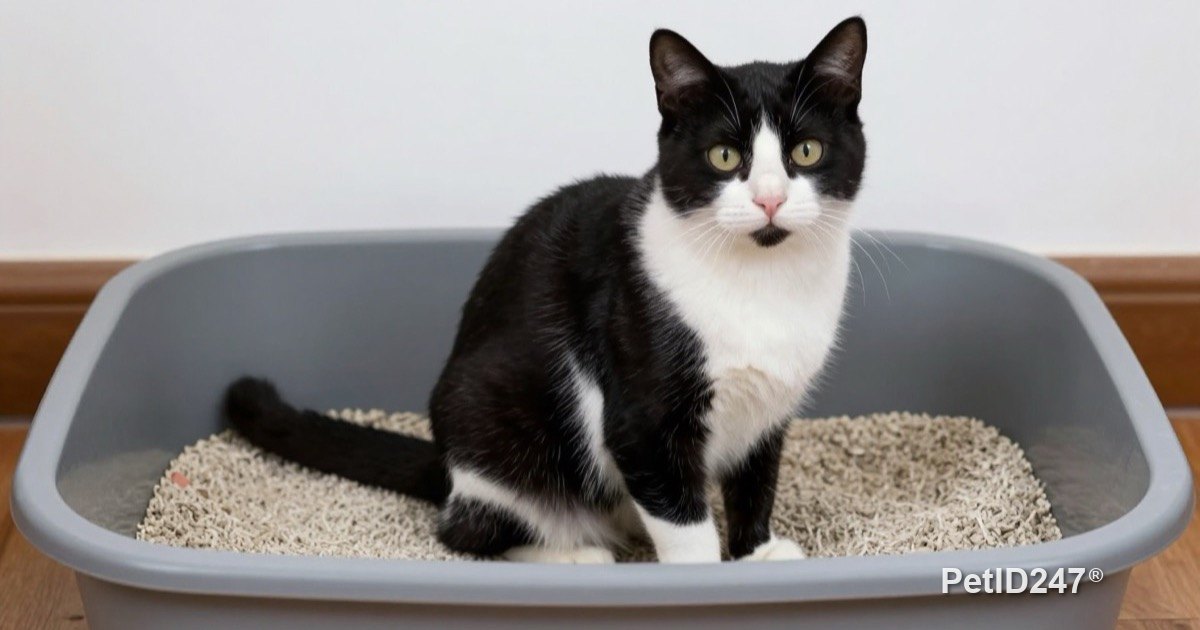
AI-generated illustration
Every type of cat litter has pros and cons. Learn how to pick one that suits your cat and home, and how to scoop and wash the box so your cat keeps using it.
The litter and how clean the box is directly affect whether your cat keeps going in the right place. Many cats that pee outside the box simply dislike the litter or find the box too dirty. This article focuses on choosing litter and keeping the box clean; for how to teach a cat to use the box, see our separate article on that topic.
Common types of cat litter
Clumping clay litter
It forms firm clumps when wet, so you can scoop out only the soiled part. The fine grains feel like natural sand, which many cats like. On the downside, it's heavy, can be dusty, gets tracked around the house, and must not be flushed down the toilet.
Non-clumping clay litter
Cheaper and absorbent, but it doesn't form clumps, so urine soaks to the bottom. You need to replace all of it more often, or the smell builds up quickly.
Crystal (silica) litter
Absorbs moisture and controls odor well, and is light and low in dust. Some cats dislike the feel of the hard granules. It also makes it harder to see how much your cat urinates each day, which is useful health information.
Plant-based litter
Made from tofu residue, corn, cassava, wood or recycled paper. It is light, low in dust, and many types clump. Keep it dry, because organic litter can turn moldy in hot, humid climates. Some are labeled flushable, but consider your plumbing and the waste disposal rules where you live.
How to choose the right litter
- Go unscented: a cat's nose is far more sensitive than ours. Strongly perfumed litter may put your cat off the box.
- Low dust: important for cats with respiratory problems and for owners with allergies.
- Soft, fine texture: most cats prefer something that feels like sand or loose soil.
- Kittens: kittens are curious and may taste litter. Ask your vet which type suits a very young kitten, and watch whether your kitten eats it.
- After surgery: your cat may need a low-dust or paper litter, as your veterinarian advises, to keep the wound clean.
If your cat is happy with its current litter, don't change it just to experiment. When you must switch, mix the new litter into the old one gradually over about one to two weeks.
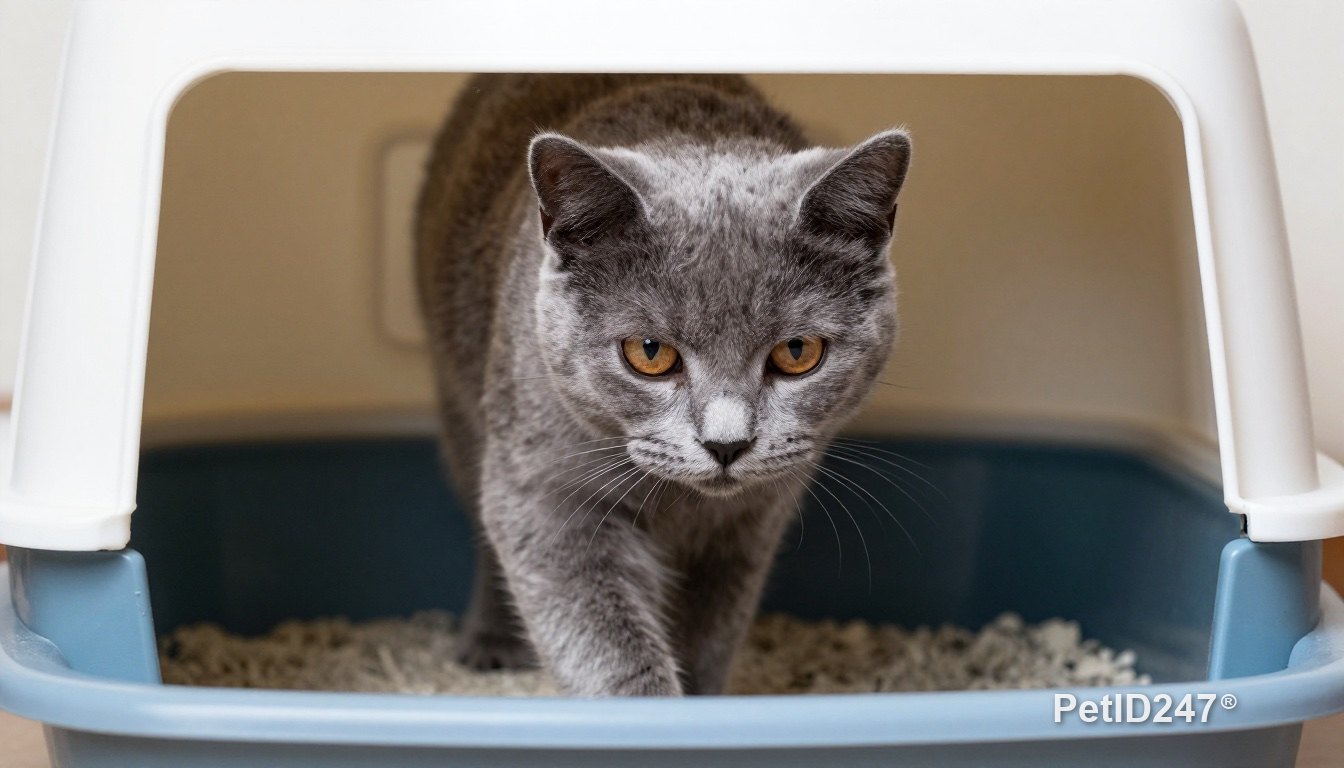
Keeping the litter box clean
Daily tasks
- Scoop out feces and urine clumps at least once or twice a day.
- Top up the litter to keep a steady depth, as a guide about 5–7 cm (2–3 inches), enough for digging and covering.
- Sweep up scattered litter. A litter mat at the exit helps catch grains stuck to paws.
Regular tasks
- Replace all the litter: for clumping litter, roughly every two to four weeks as a guide; non-clumping litter needs changing more often, sometimes every few days.
- Wash the box: each time you replace the litter, wash the box with warm water and mild soap, rinse well and dry completely.
- Avoid harsh cleaners: don't use strong-smelling or ammonia-based cleaners. Ammonia smells like urine and may lead your cat to go elsewhere. Some phenol-based disinfectants are toxic to cats.
- Replace old plastic boxes: heavily scratched boxes hold odors and bacteria, so replace them when needed.
Number and location of boxes
A common rule of thumb is one box per cat plus one extra. Place boxes in quiet, easy-to-reach spots away from food and water bowls, not next to the washing machine or in busy walkways. The box should be large enough for your cat to turn around comfortably.
Staying safe while cleaning
Cat feces can carry the parasite Toxoplasma, which is harmful to unborn babies and people with weakened immunity. If you're pregnant, it's best to have someone else clean the box. If you must do it yourself, wear gloves, scoop every day and wash your hands thoroughly with soap afterward. Young children shouldn't clean the box without an adult.
Summary
- Choose unscented, low-dust, soft litter; each type has its own pros and cons.
- Scoop daily, and replace the litter and wash the box regularly with mild soap.
- Provide enough boxes in the right places, and change litter gradually.
- If your cat suddenly urinates much more or less, strains for a long time, passes blood, or keeps going outside the box, see a vet. A male cat straining without producing urine is an emergency.
This article was prepared with the help of artificial intelligence tools and reviewed by the PetID247 editorial team before publication. It is for reference only and does not replace an examination by a veterinarian.