Cat Straining to Pee: Emergency Warning Signs
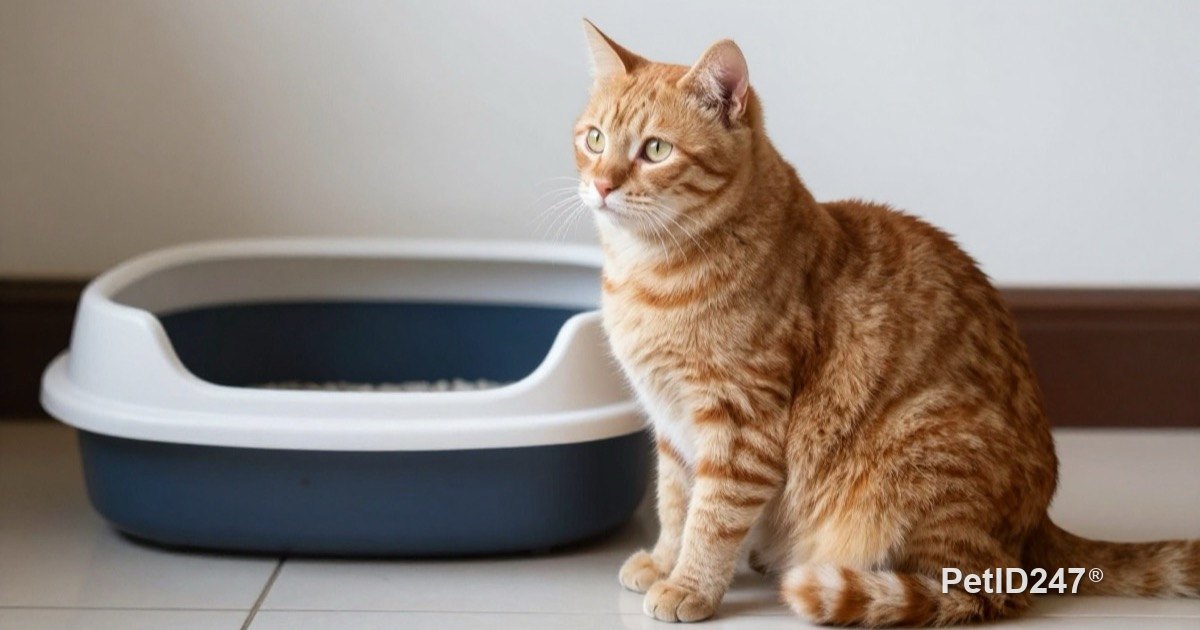
AI-generated illustration
A cat straining to urinate with little or nothing coming out, especially a male, may have a urethral blockage, which is life-threatening. Learn the signs and prevention.
Your cat sits in the litter box for a long time, straining repeatedly but producing only a few drops of urine, or none at all. Many owners assume constipation and wait, but this can be a sign of a urinary blockage, one of the most dangerous emergencies in cats. Recognizing it early and getting to a vet immediately can save your cat's life.
Why cats have trouble urinating
Problems in a cat's bladder and urethra are often grouped together as lower urinary tract disease. Common causes include:
- Idiopathic cystitis (bladder inflammation with no clear cause): quite common, and linked to stress, low water intake, inactivity and excess weight.
- Stones and crystals in the urine: these can damage the bladder lining or cause a blockage.
- Urethral plugs: a mix of mucus, cells and crystals that clumps together and blocks the urine outflow.
- Urinary tract infections: less common in young cats, more common in older cats or cats with other conditions such as diabetes or kidney disease.
- Less common causes: tumors, injuries or birth defects.
Why male cats are at special risk
Male cats have a long urethra that becomes very narrow toward the end, so a plug or small stone can block it completely. When urine can't get out, the bladder swells and waste products and potassium build up quickly in the blood. High potassium can disrupt the heart rhythm. A fully blocked cat that isn't treated can die within one to a few days.
Female cats are blocked less often, but they can still have inflammation, stones and pain, and need to be examined.
Signs to watch for
Signs of urinary disease
- Going in and out of the litter box often, passing only small amounts each time.
- Straining to urinate or sitting in the box for a long time.
- Crying or moaning while urinating.
- Pink, red or bloody urine.
- Urinating outside the box, especially on cool surfaces like tile floors, sinks or bathtubs.
- Constant licking of the genital area.
Signs of a blockage: emergency
- Straining with no urine at all, or only a few drops.
- A dry litter box without the usual urine clumps.
- A tense lower belly that hurts when touched.
- Vomiting, loss of appetite, lethargy or hiding.
- In late stages: weakness, lying flat, abnormal breathing, a cold body.
Easily confused with constipation
A cat straining in the litter box may be constipated or blocked, and it's hard to tell the difference at home. So with a male cat straining over a dry litter box, treat it as a blockage until a veterinarian rules it out. Don't give laxatives or human medicines.
Preventing recurrence
Urinary problems in cats often come back, so prevention is a long-term job. Commonly recommended measures include:
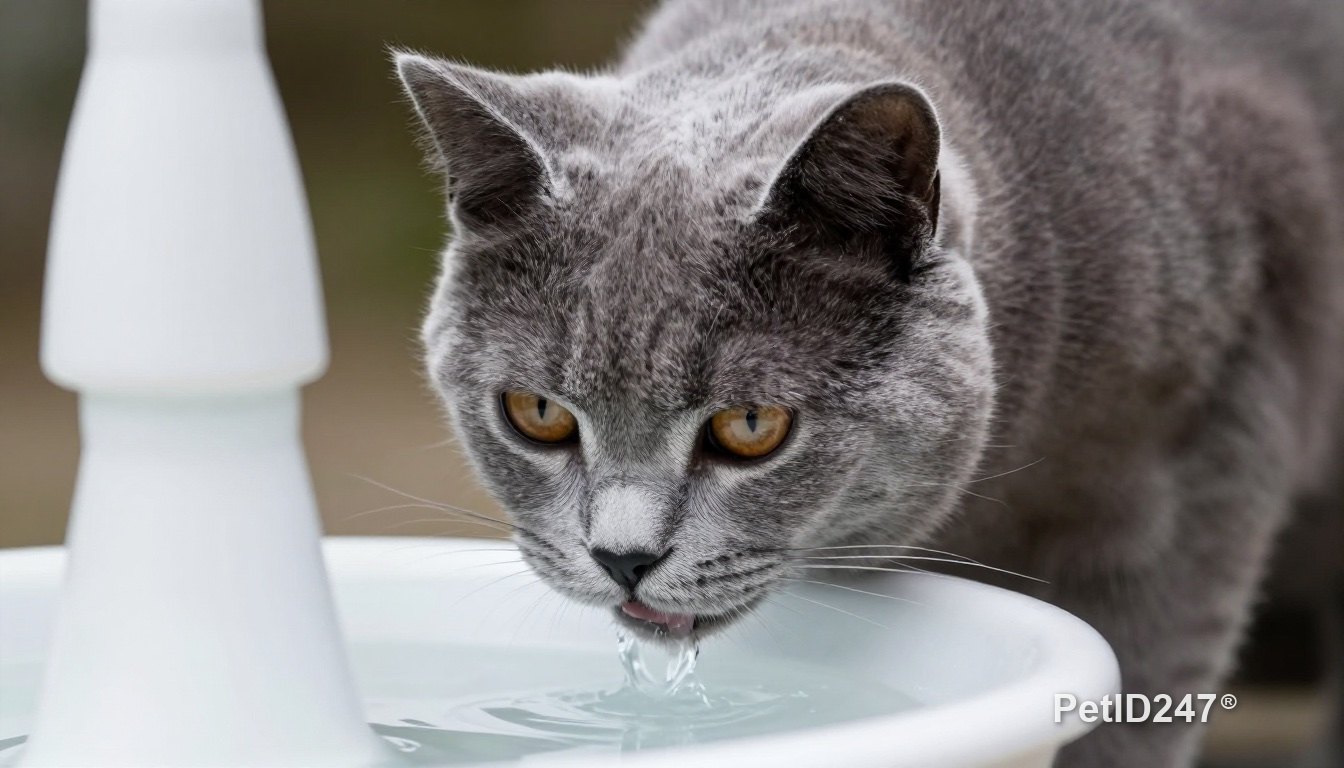
- Increase your cat's water intake: feed more wet food, put water bowls in several places, and use wide bowls or a cat water fountain.
- Diet: if your cat has had stones, crystals or a blockage, your veterinarian may prescribe a special diet. Use the right food for the right length of time and don't mix in other foods.
- Reduce stress: keep a steady routine, provide hiding places and high perches, enough litter boxes for multi-cat homes, and daily play.
- Clean, easy-to-reach litter boxes: so your cat never has to hold its urine because the box is dirty or in a noisy spot.
- Maintain a healthy weight and regular activity.
- Regular checkups and urine tests on the schedule your veterinarian sets, especially after an episode.
When to see a vet
Get emergency care immediately, even in the middle of the night, if:
- A male cat is straining to urinate with nothing or only a few drops coming out.
- There is no urine in the litter box for around half a day to a day even though your cat is eating and drinking.
- Your cat strains to urinate and also vomits, stops eating, is lethargic or cries when its belly is touched.
- Your cat is weak, lying flat, feels cold or is breathing abnormally.
If your cat urinates often, has blood in its urine or pees outside the box but is still passing a normal amount, see a vet the same day. After treatment, watch your cat's urination closely over the following days, because the problem can return.
This article was prepared with the help of artificial intelligence tools and reviewed by the PetID247 editorial team before publication. It is for reference only and does not replace an examination by a veterinarian.