Cat Sneezing and Runny Nose: Upper Respiratory Infection
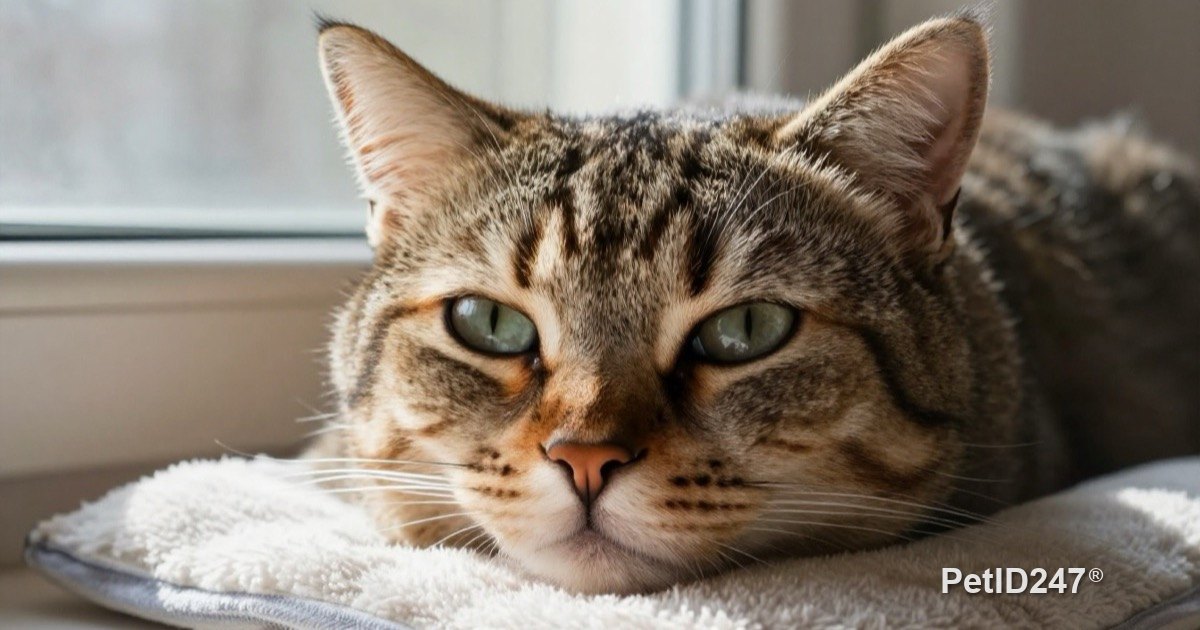
AI-generated illustration
Sneezing, a runny nose and watery eyes are common signs of an upper respiratory infection in cats. Learn the causes, home care and when to see a vet.
A cat that keeps sneezing, with a runny nose and gunky eyes, is a familiar sight for cat owners, especially with newly adopted kittens or cats in multi-cat homes. Most cases are caused by an upper respiratory infection, a group of common infectious diseases in cats. Many cases are mild, but some become serious without proper care.
What causes upper respiratory infections
Upper respiratory infections in cats, sometimes loosely called “cat flu”, are usually caused by one or more of the following:
- Feline herpesvirus: causes sneezing, nasal discharge, conjunctivitis and sometimes corneal ulcers. After recovery, the virus usually lies dormant in the body and can flare up again when the cat is stressed or run down.
- Feline calicivirus: besides respiratory signs, it often causes ulcers on the tongue and mouth, making the cat drool, feel pain and stop eating. Some cats develop temporary joint pain.
- Bacteria: such as Chlamydia (mainly causing eye inflammation), Bordetella, Mycoplasma, or secondary bacterial infections that turn nasal discharge cloudy and yellow-green.
The infection spreads through direct contact, sneeze droplets, and shared bowls, litter boxes and human hands. Kittens, unvaccinated cats, senior cats, stressed cats and cats in crowded settings are more at risk.
Common signs
- Sneezing and a runny nose; discharge may start clear and become thick and cloudy.
- Watery, red or swollen eyes, discharge, squinting.
- A blocked nose, noisy breathing, breathing through the mouth.
- Ulcers in the mouth or on the tongue, drooling.
- Fever and tiredness.
- Eating less or not at all. Cats rely heavily on smell to feel hungry, so a blocked nose often kills their appetite even if they aren't very ill.
Caring for your cat at home
Once your cat has been examined and you have your veterinarian's advice, you can help it feel more comfortable:
- Clean the nose and eyes: use cotton wool dampened with clean warm water, wipe gently from the inside outward, and use a separate piece for each eye.
- Moisten the airways: let your cat sit in a steamy bathroom for a few minutes after a hot shower, supervised, or use a humidifier in the room.
- Encourage eating: warm wet food to release its smell and choose soft, aromatic foods. If your cat's mouth is sore, mash the food finely.
- Keep your cat hydrated: place fresh water near its bed and offer more wet food.
- Keep it warm and quiet: let your cat rest somewhere warm and draft-free, and reduce stress.
- Isolate: in multi-cat homes, keep the sick cat separate with its own bowls and litter box, and wash your hands after caring for it.
What not to do
- Don't use human nasal drops, decongestants, cold remedies or fever reducers. Many are highly toxic to cats.
- Don't use leftover eye drops or antibiotics from a previous illness.
- Don't let your cat go without food for long in the hope it will recover on its own.
Antibiotics, eye medications or antiviral medicines, if needed, must be used as directed by your veterinarian.
Prevention
- Vaccination: core cat vaccines usually cover feline herpesvirus and calicivirus. They don't completely prevent infection, but they make the disease much milder. Your veterinarian decides the schedule.
- Quarantine new cats for a while before introducing them to your other cats.
- Reduce stress: keep a steady routine and provide enough hiding places, litter boxes and bowls in multi-cat homes. This matters especially for cats that have had herpesvirus.
- Hygiene: wash bowls and litter boxes regularly and keep your home well ventilated.
When to see a vet
Any cat with respiratory signs should be examined by a veterinarian to find the cause. Go right away if:
- Your cat hasn't eaten for a day or more, or is a kitten or a senior cat.
- Your cat is struggling to breathe, breathing with its mouth open or using its belly to breathe.
- The nasal discharge is thick, yellow-green or bloody, or signs haven't improved after about a week.
- An eye is painful, held tightly shut, or has a cloudy spot or ulcer.
- Mouth ulcers stop your cat eating or drinking, or it drools heavily.
- Your cat is lethargic, has a high fever or is dehydrated.
This article was prepared with the help of artificial intelligence tools and reviewed by the PetID247 editorial team before publication. It is for reference only and does not replace an examination by a veterinarian.