Cat Peeing Outside the Litter Box: Finding the Cause
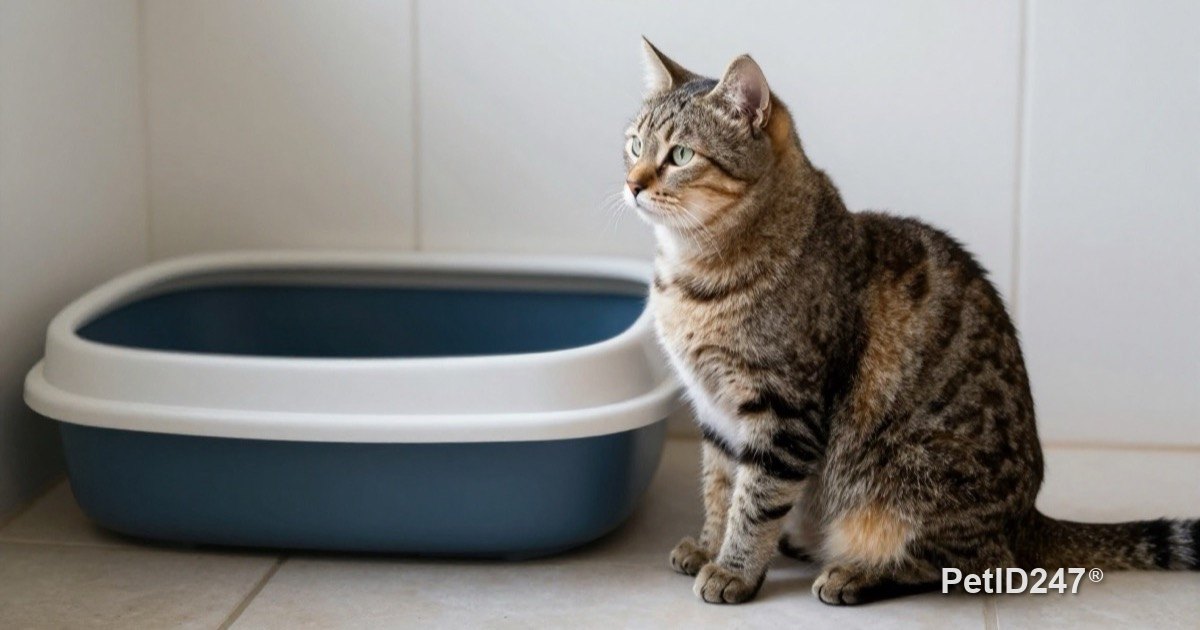
AI-generated illustration
When a litter-trained cat starts going outside the box, there's a reason, from urinary disease to stress. Learn how to track down the cause and fix it.
Cats are naturally clean and instinctively like to use sand or litter. So when a cat that has always used its box suddenly pees on the bed or poops behind the sofa, it is almost always sending a message, not being “naughty” or taking revenge. This guide helps you check the common causes one by one so you can fix the right thing.
Step one: rule out illness
Many cases of house soiling start with a health problem. If urinating hurts, a cat may link the pain with the litter box and look for somewhere else. Common causes include:
- Lower urinary tract disease: bladder inflammation, stones or crystals in the urine. The cat urinates often, in small amounts, sometimes with blood.
- Diseases that increase thirst and urination: kidney disease, diabetes and hyperthyroidism in older cats. More urine means the box gets dirty fast, and the cat may not make it in time.
- Joint pain: older cats struggle to step over high box sides or climb stairs to reach the box.
- Digestive problems: diarrhea or constipation can lead to pooping outside the box.
- Cognitive decline in very old cats.
So before changing anything, take your cat to the vet for an examination and a urine test if needed.
Take a fresh look at the litter box
If your cat is healthy, the cause is often the box itself. Ask yourself:
- Is it clean enough? Cats are very sensitive to smell. Scoop waste at least once or twice a day, and fully replace the litter and wash the box regularly.
- Are there enough boxes? A common recommendation is one box per cat plus one extra, placed in different locations.
- Is it big enough? As a guide, a box about one and a half times the length of your cat's body lets it turn around comfortably.
- Covered or not? A covered box traps odor inside and can make some cats uncomfortable or feel trapped.
- Does your cat like the litter? Most cats prefer fine-grained, unscented litter. Switching litter suddenly or using heavily scented litter can put a cat off the box.
- Is there a plastic liner? Many cats dislike their claws catching on plastic.
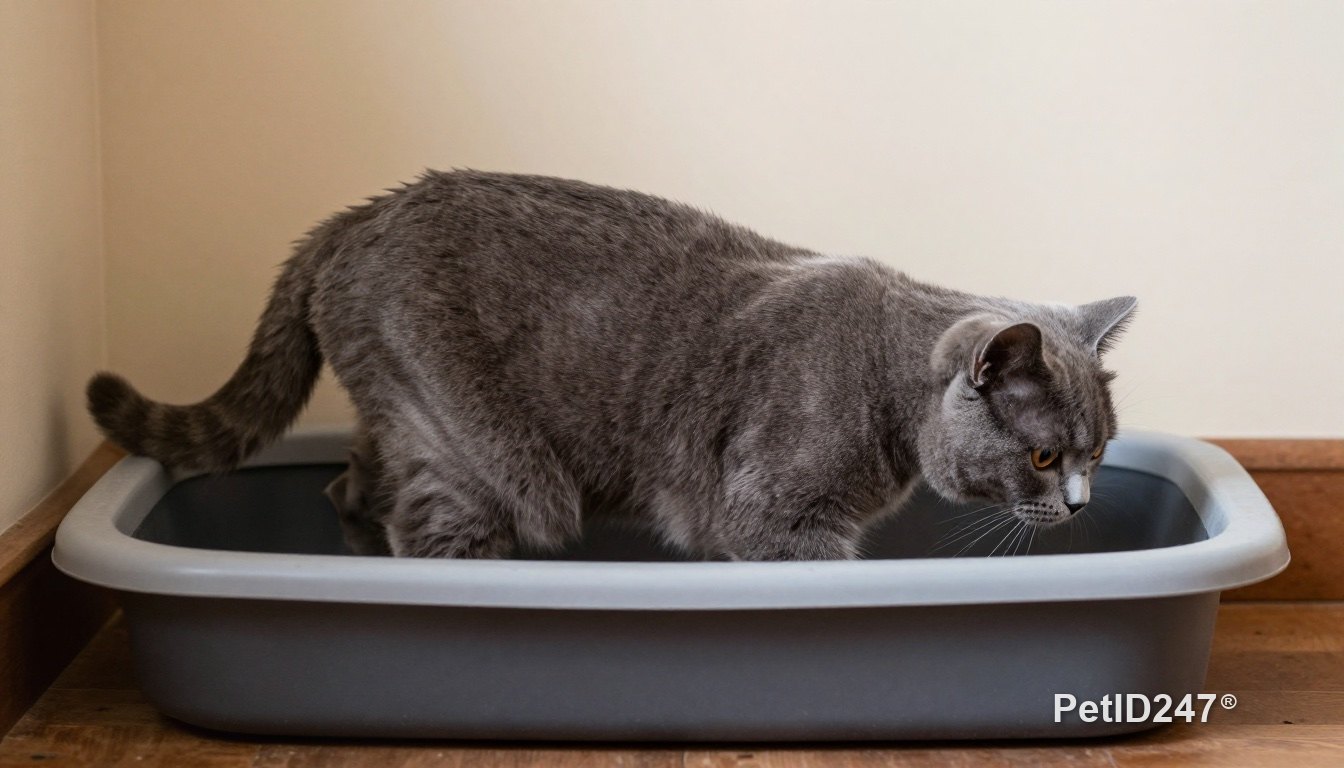
Box location and stress
The box is in the wrong place
- Next to a washing machine or dryer, or somewhere noisy with sudden sounds.
- In a busy walkway where children or dogs can disturb the cat.
- Right beside food and water bowls; cats don't like to eat near their toilet.
- In a dead-end corner with only one way out, where another cat can block the exit.
Stress and conflict at home
Cats are very sensitive to change. Moving house, renovations, a new family member or baby, a new pet, or seeing strange cats outside the window can all trigger house soiling. In multi-cat homes, one cat may “guard” the box so another is afraid to use it.
Spraying versus normal urination
It's important to tell these apart. Normal urination leaves a puddle on a flat surface such as the floor or bed. Spraying (marking) usually means squirting a small amount of urine on a vertical surface like a wall, door or curtain, with the tail held upright and quivering. Spraying is more common in unneutered cats and when a cat feels its territory is threatened. Neutering and reducing stress often help; discuss this with your veterinarian.
What you can do at home
- Clean soiled spots thoroughly with an enzyme cleaner that breaks down urine odor. Avoid ammonia-based cleaners, which smell like urine and can draw the cat back.
- Add boxes, putting one at or near the spot your cat keeps using, then gradually move it to where you want it.
- Make the soiled spot less appealing: place food bowls, toys or a bed there, as cats don't like to toilet where they eat and sleep.
- Reduce stress: keep a steady routine, add hiding places and high perches, play with your cat daily, and provide multiple feeding, water and litter stations in multi-cat homes.
- Don't scold or rub your cat's nose in the mess. It only makes your cat afraid of you and of toileting, and the problem gets worse.
When to see a vet
Take your cat to the vet early once it starts going outside the box, especially if you also notice:
- Repeated straining to urinate with little or no urine. In male cats this is an emergency; go immediately.
- Blood in the urine, crying while urinating, or constant licking of the genital area.
- Drinking and urinating much more than usual, or weight loss.
- Diarrhea, constipation, blood in the stool, vomiting or loss of appetite.
- An older cat having trouble moving or stepping over the side of the box.
Once illness has been ruled out, if your cat still soils the house, your veterinarian can also help you plan a suitable behavior program.
This article was prepared with the help of artificial intelligence tools and reviewed by the PetID247 editorial team before publication. It is for reference only and does not replace an examination by a veterinarian.