Cat Bad Breath and Gum Disease: Dental Care Guide
AI-generated illustration
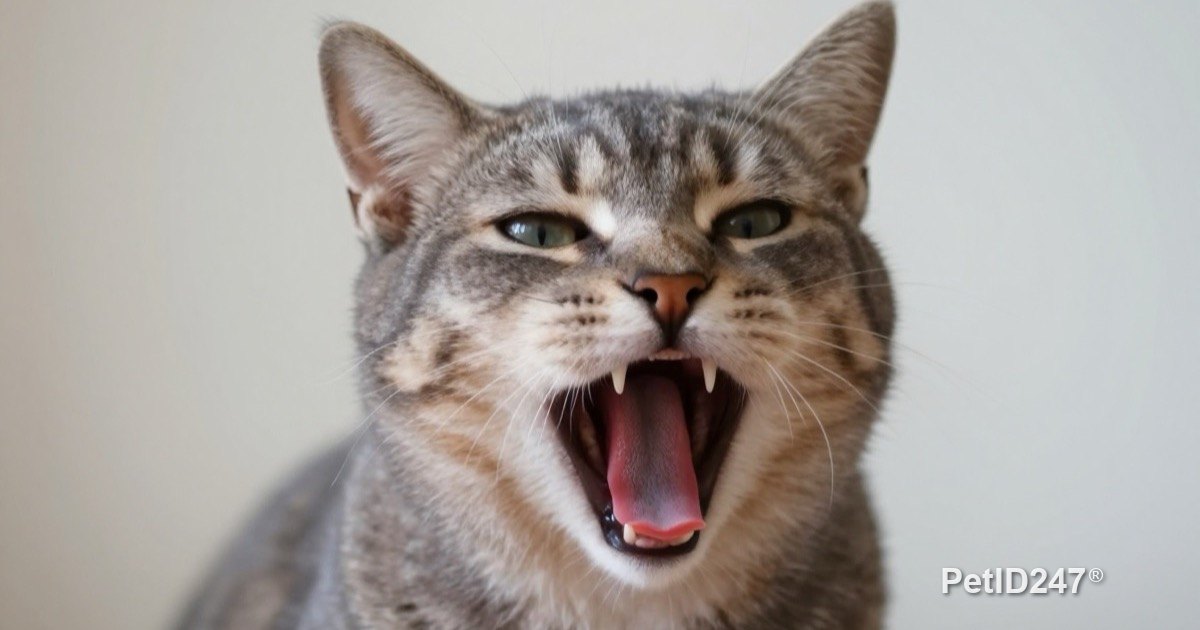
Bad breath in cats is often a sign of tartar and gum inflammation. Learn the early signs, how to care for your cat's teeth at home, and when to see a vet.
Many people assume bad breath is normal for cats, especially older ones. In fact, smelly breath is often the first sign of dental disease, a group of problems that is very common in adult cats. Spotting it early and caring for your cat's teeth regularly helps your cat stay comfortable and keep eating well.
Why cats get bad breath and gum disease
After each meal, food particles and bacteria stick to the tooth surface and form a thin film called plaque. If it isn't cleaned away, plaque gradually hardens into yellow-brown tartar, usually most visible on the canines and the back molars. The bacteria in tartar make the gums red and swollen, which is gingivitis. Left untreated, the inflammation spreads down to the tooth roots, loosening teeth and causing ongoing pain.
Besides tartar, cats have some dental conditions of their own:
- Tooth resorption: the tooth is gradually eaten away from the root, leaving a hole near the gum line. It is very painful but hard to see with the naked eye.
- Chronic stomatitis: the lining of the mouth becomes red and ulcerated, and the cat may hurt so much that it stops eating. The cause isn't fully understood, and it needs veterinary treatment.
- Broken teeth: from knocks or chewing hard objects, which can expose the pulp and lead to infection.
Bad breath can also come from problems outside the mouth, such as kidney disease or diabetes. So don't just mask the smell and ignore the cause.
Signs of dental trouble
Cats are very good at hiding pain. Many keep eating despite sore teeth, just more slowly or in a different way. Watch for these signs:
- Clearly bad breath that gets worse over time.
- Dark red, swollen gums, a red line along the teeth, or bleeding.
- Thick yellow-brown tartar.
- Chewing on one side, dropping food, or choosing soft wet food and leaving dry kibble.
- Drooling, pawing at the mouth, or shaking the head while eating.
- A dirty chin and an unkempt coat because grooming hurts.
- Weight loss and irritability when the face is touched.
Caring for your cat's teeth at home
Brushing works best
Brushing removes plaque before it can harden into tartar. Aim to do it often, ideally every day or at least several times a week. Build up slowly, just a few minutes at a time:
- Get your cat used to having its mouth touched: gently stroke the cheeks and lips while your cat is relaxed, then give a reward.
- Offer a taste of pet toothpaste: put a little on your fingertip and let your cat lick it.
- Touch the teeth: gently lift the lip and rub a finger or soft gauze along the outer surface of the teeth.
- Move on to a small, soft-bristled brush: brush along the gum line, focusing on the outer surfaces of the canines and molars.
Never use human toothpaste on cats. It usually contains foaming agents and ingredients that are not meant to be swallowed, and some contain sweeteners that are toxic to pets.
Other ways to help
- Foods or treats designed to reduce plaque may help a little, but they don't replace brushing.
- Water additives or dental gels for pets: use only products made for cats, ask your vet first and read the product label carefully.
- Check your cat's mouth regularly, for example once a month, so you notice changes early.
Professional cleaning and treatment
Once tartar has built up, brushing at home can no longer remove it. Your veterinarian will examine the mouth, may take dental X-rays to see the roots below the gum line, then scale and polish the teeth. In cats this requires general anesthesia, so the area under the gums can be cleaned properly without pain or fear. Vets usually run blood tests before anesthesia, especially in older cats.
Badly damaged or resorbing teeth often need to be extracted to stop the pain. Many cats eat noticeably better once painful teeth are removed. Any pain relief or antibiotics after treatment should be given only as directed by your veterinarian.
When to see a vet
Take your cat to the vet promptly if you notice:
- Severe bad breath, breath that changes suddenly, or an unusual smell such as an ammonia-like odor.
- Bleeding, very swollen or pus-filled gums, or ulcers in the mouth.
- Heavy drooling, pawing at the mouth, refusing food or eating very little.
- Swelling on one side of the face, especially below the eye.
- Broken or loose teeth, or weight loss with no clear reason.
Even if you see no signs, ask your vet to check your cat's mouth at every routine health check. Early dental care is always gentler and less costly than treating advanced disease.
This article was prepared with the help of artificial intelligence tools and reviewed by the PetID247 editorial team before publication. It is for reference only and does not replace an examination by a veterinarian.