Calcium and Vitamins for Reptiles: Why They Matter
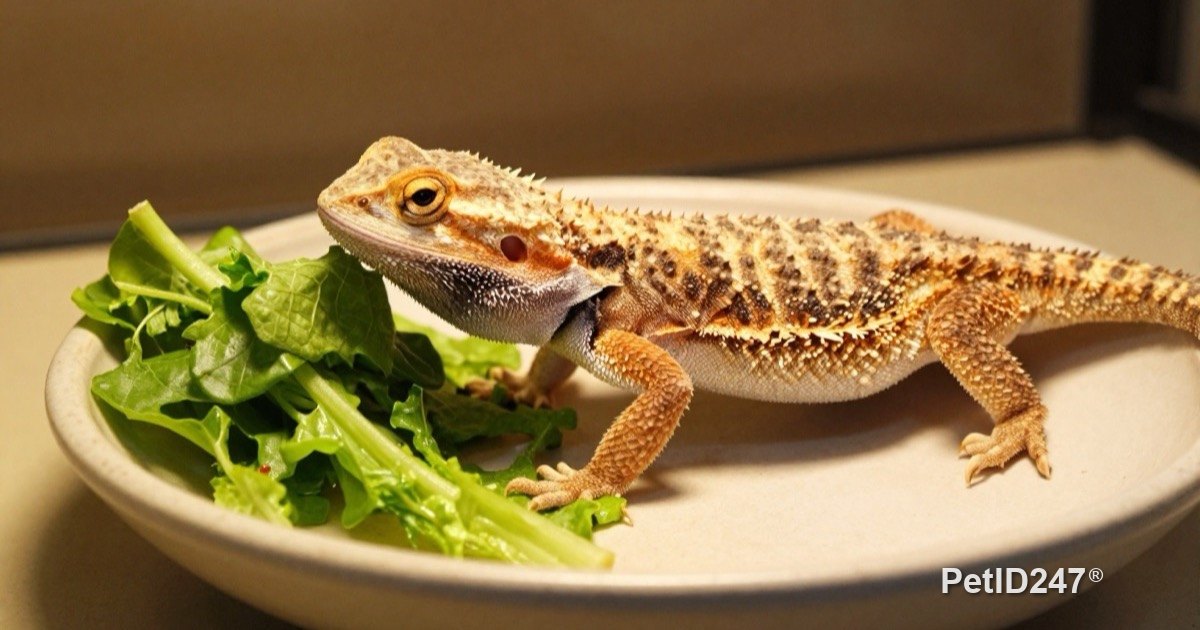
AI-generated illustration
Captive diets rarely match the calcium and vitamins reptiles get in the wild. Learn the roles of calcium, vitamin D3 and vitamin A, and why supplements should follow vet advice.
In the wild, reptiles eat a huge variety of foods and bask in the sun every day. In captivity, the diet is much narrower and light comes from a lamp. That makes calcium and vitamin supplementation close to essential for many species, but supplementing the wrong way can be just as harmful as a deficiency.
Why captive reptiles easily run short
- Feeder insects are low in calcium: most feeder insects contain more phosphorus than calcium. A reptile eating insects without supplementation will gradually become calcium deficient.
- A limited diet: keepers often feed only a few kinds of insects or a few familiar vegetables.
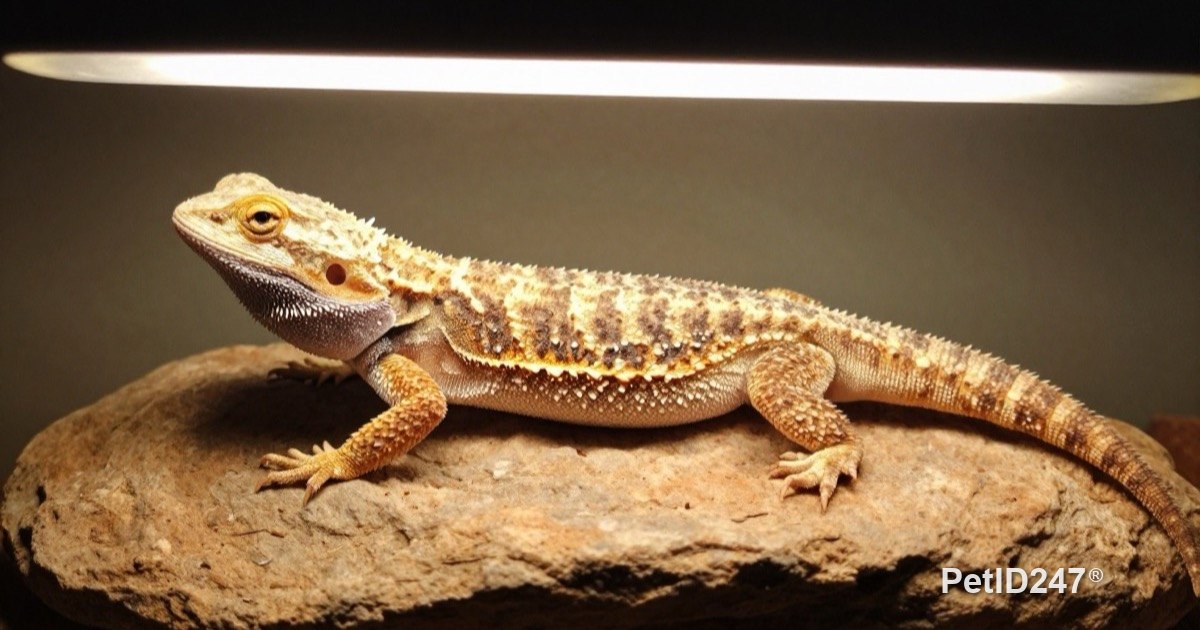
- Artificial light: without suitable UVB lighting, reptiles can't make enough vitamin D3 on their own.
- Special life stages: fast-growing juveniles and egg-laying females need more calcium.
The role of each nutrient
Calcium
Calcium is the main building block of bones, turtle shells and eggshells. It is also needed for muscle contraction, nerve signaling and blood clotting. When it runs short, the body pulls calcium from the bones, which over time causes metabolic bone disease: soft, bent, fragile bones, twitching and possibly seizures.
Vitamin D3
Vitamin D3 helps the gut absorb calcium. Many reptiles make vitamin D3 in their skin when exposed to UVB light. So UVB lighting and dietary vitamin D3 are closely linked: a reptile with good UVB may need different dietary supplementation from one without UVB. Some nocturnal or low-light species meet their needs in their own ways, so research your particular species.
Vitamin A and other vitamins
Vitamin A is needed for healthy skin, eyes, mucous membranes and disease resistance. Vitamin A deficiency can occur in some insect-eating lizards and aquatic turtles, with signs such as swollen eyelids, shedding problems and respiratory infections. However, different species use different forms of vitamin A, and too much vitamin A is toxic. That's why you shouldn't give vitamin A without your veterinarian's direction.

Too little and too much are both harmful
Many people think more is safer. In reality:
- Too much vitamin D3 can cause calcium deposits in the kidneys, blood vessels and soft tissues, leading to lasting damage.
- Too much vitamin A can cause skin peeling and liver damage.
- Long-term excess calcium can affect the absorption of other minerals and kidney function.
- Using several products at once makes it hard to know how much of each nutrient your animal is actually getting.
That is why this guide gives no doses or supplementation schedules. Each species, age and lighting setup needs a different approach. Follow your reptile veterinarian's directions and read the product label carefully.
General principles for supplementing
- Get the foundations right first: suitable UVB lighting, correct temperatures and a varied diet. Powders are only a support.
- Know your products: some contain calcium only, some calcium with vitamin D3, and some are multivitamins. Read the ingredients on the label so you know what you're using.
- Dust correctly: put insects in a container with a little powder, shake gently for a light coating, and feed immediately before the insects groom it off. For greens, sprinkle it over the leaves.
- Gut-load insects well before feeding to boost their nutritional value (see also our article on feeder insects for reptiles).
- Store products in a cool, dry place, tightly closed and out of children's reach; throw away products that are expired or clumped.
- Keep notes on which product you use and when, to bring along to vet visits.
Tips for new keepers
Ask the seller what diet and supplements the animal has been getting, but still take your new reptile for an early health check so a veterinarian can plan a suitable diet. And always remember to buy reptiles only from a legal source with paperwork, never from the wild, and never release them into the environment.
When you take your reptile to the vet, bring the supplement containers you use or clear photos of their ingredient labels. Your veterinarian will use these, together with your lighting and diet details, to adjust supplementation to each stage of your animal's life.
Summary
Captive reptiles need calcium, vitamin D3 and other vitamins for strong bones, healthy skin and good disease resistance. UVB lighting, correct temperatures and a varied diet are the foundation; supplement powders are only a support. Too little and too much are both harmful, so all supplementation should follow your veterinarian's directions and the product label. If your reptile twitches, has a soft jaw, swollen eyes or shedding problems, see a vet early.
This article was prepared with the help of artificial intelligence tools and reviewed by the PetID247 editorial team before publication. It is for reference only and does not replace an examination by a veterinarian.