Aquatic Turtle Tanks: Filtration and Basking Areas
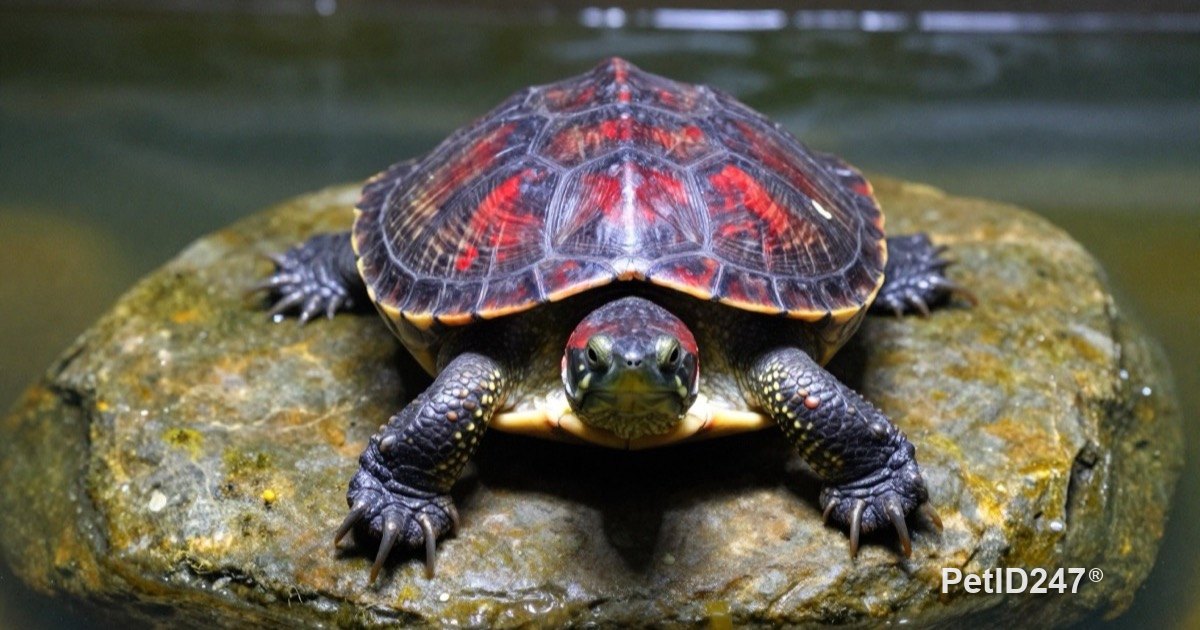
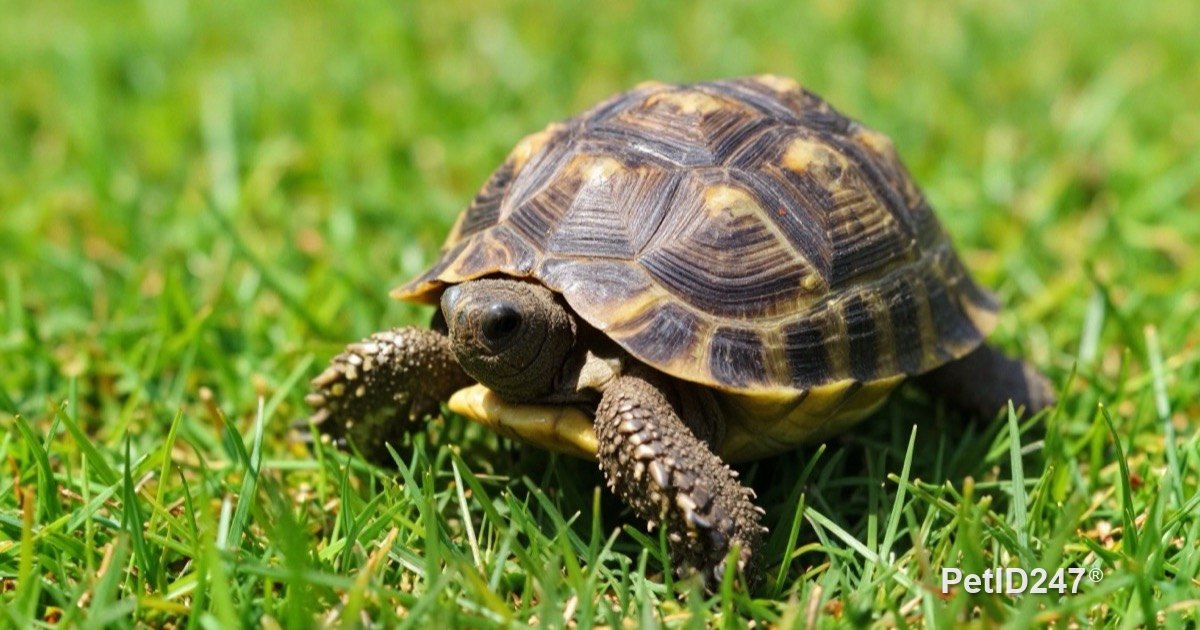
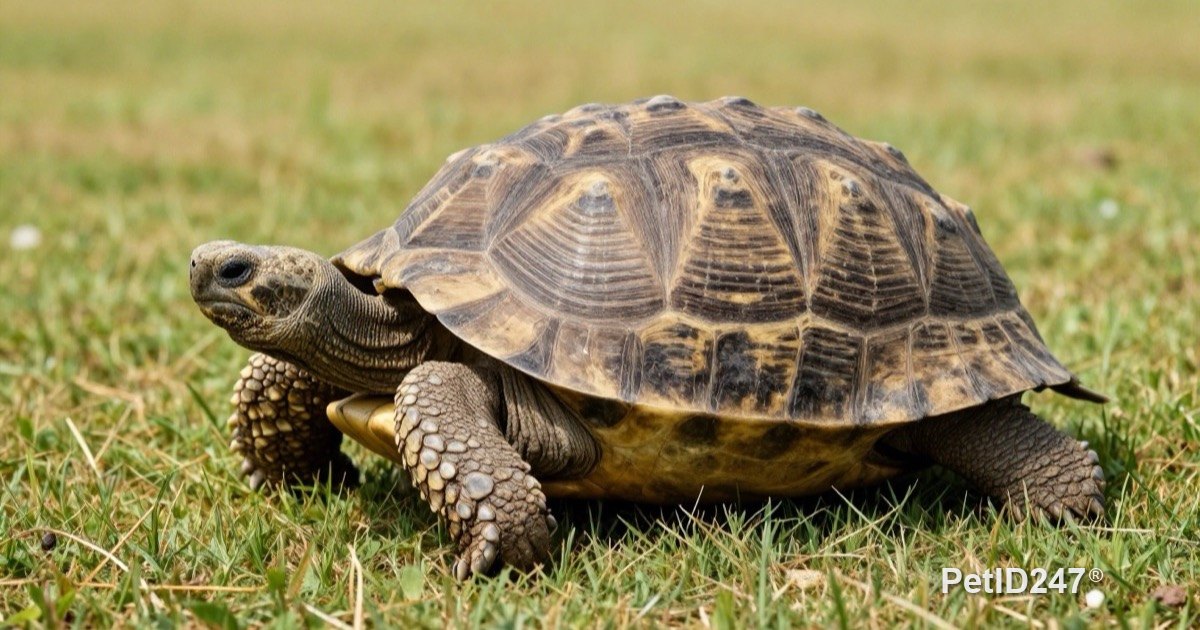
AI-generated illustration
Aquatic turtles eat and excrete a lot, so their water gets dirty fast. Learn how to choose tank size, filtration and a dry basking spot with heat and UVB lighting.
Many people think an aquatic turtle only needs a tub of water and a few stones. In reality, aquatic turtles need plenty of swimming space, strongly filtered water and a completely dry basking area with a heat lamp and UVB light. Without these, turtles easily develop shell rot, eye infections, skin infections and weak bones.
Before you get a turtle: sourcing and responsibility
- Only buy turtles from a legal source with proper paperwork. Many native turtle species are protected; never buy or take turtles from the wild.
- Never release a turtle into ponds, lakes or rivers. Some commonly kept aquatic turtles, such as red-eared sliders, are considered invasive species that harm ecosystems in many places. Released turtles can compete with native species and spread disease. Learn and follow the rules where you live.
- Turtles live a long time and grow a lot: a coin-sized hatchling can grow to the size of a hand or larger and live for decades. Plan your tank for the adult turtle.
The tank: bigger than you think
Aquatic turtles spend most of their time swimming and foraging underwater. A common rule of thumb is about 15 liters of water for every centimeter of shell length, which means a turtle with a shell of around 10 cm already needs a tank of a few hundred liters once you allow for water depth and a basking area. Keeping several turtles needs more space.
- Water depth: ideally at least one and a half to two times the shell length, so the turtle can swim and right itself if it flips over. For hatchlings or weak swimmers, keep the water shallower with plenty of places to climb up and breathe.
- A lid or high walls: turtles can be surprisingly good climbers, especially when the basking area is near the rim.
- Substrate: leave the bottom bare or use stones larger than the turtle's head. Small gravel can be swallowed and cause an intestinal blockage.
Filtration for a turtle tank
Turtles produce far more waste than fish of the same size, and they tear their food apart and scatter it. So:
- Choose a powerful filter: many keepers choose a filter rated for a tank two to three times larger than the actual water volume. A canister or sump filter usually works better than a small hang-on-back filter.
- Guard the intake so the turtle can't chew it or trap a leg.
- Clean filter media in old tank water to preserve beneficial bacteria; don't rinse it under the tap.
- Do regular partial water changes with dechlorinated water and vacuum the bottom. Good filtration does not replace water changes.
- Feed in a separate container: many keepers move the turtle into a small tub of water to eat, then return it to the tank. This keeps the tank much cleaner.
The basking area: essential
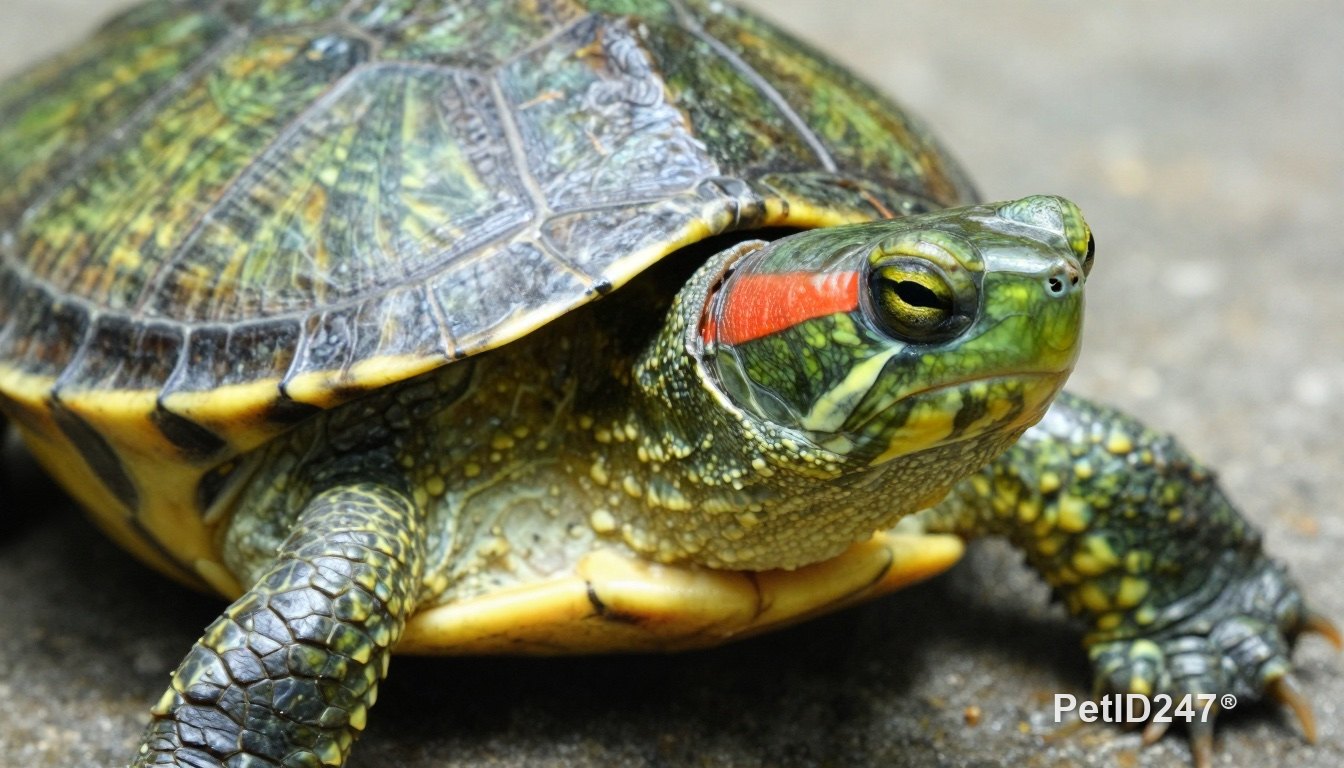
Aquatic turtles need to haul out and bask every day to warm their bodies, digest food, and dry their shell and skin, which helps prevent fungus. The basking area should be:
- Completely dry and big enough for the turtle to get its whole body out of the water. With several turtles, it must fit all of them at once.
- Stable and impossible to tip: a heavy turtle can collapse a flimsy platform and get trapped under it in the water.
- Easy to climb: with a rough ramp so the turtle can get up without slipping.
- Under a heat lamp: for many common aquatic species, a basking surface of approximately 30–35°C, as a guide. Place the lamp at a safe distance the turtle can't reach.
- Under a UVB lamp: shining onto the basking area, not blocked by glass or plastic. UVB lets turtles make vitamin D3 to absorb calcium and keep shell and bones strong. Replace the lamp as recommended on the product label (see also our article on UVB for reptiles).
Water temperature depends on the species; many commonly kept aquatic turtles do well in water around 24–28°C, as a guide. The water should be cooler than the basking spot so the turtle has a reason to climb out. Use a thermostatic heater with a protective guard so the turtle can't break it.
Hygiene and human safety
Turtles can carry Salmonella bacteria even when they look perfectly healthy. Wash your hands with soap after touching your turtle, the tank water or equipment. Don't clean tank equipment in the kitchen sink, and don't let young children put turtles near their mouths.
Summary
A good aquatic turtle tank is large and deep enough, filtered more strongly than a fish tank, and has a dry, stable basking area with a heat lamp and UVB light. Feed in a separate container and change water regularly to keep the tank clean. Only buy turtles from a legal source with paperwork, never take them from the wild and never release them. If your turtle has a soft shell, swollen eyes, white patches of peeling skin, or swims lopsided, see a veterinarian experienced with reptiles.
This article was prepared with the help of artificial intelligence tools and reviewed by the PetID247 editorial team before publication. It is for reference only and does not replace an examination by a veterinarian.