Why Cats Meow at Night and What to Do About It
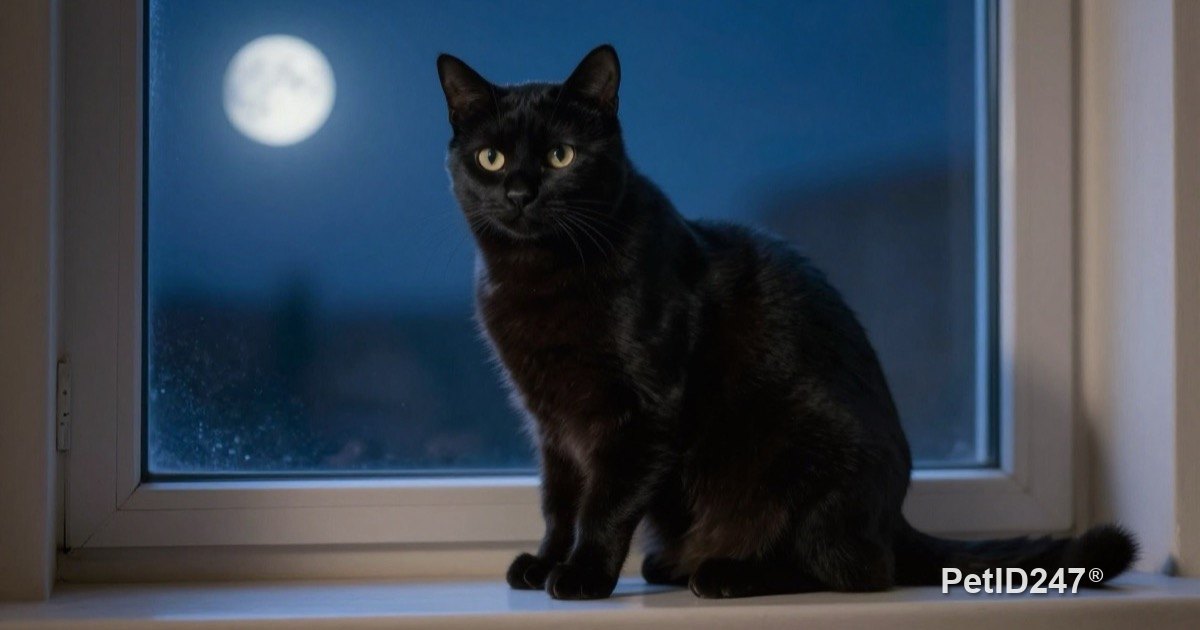
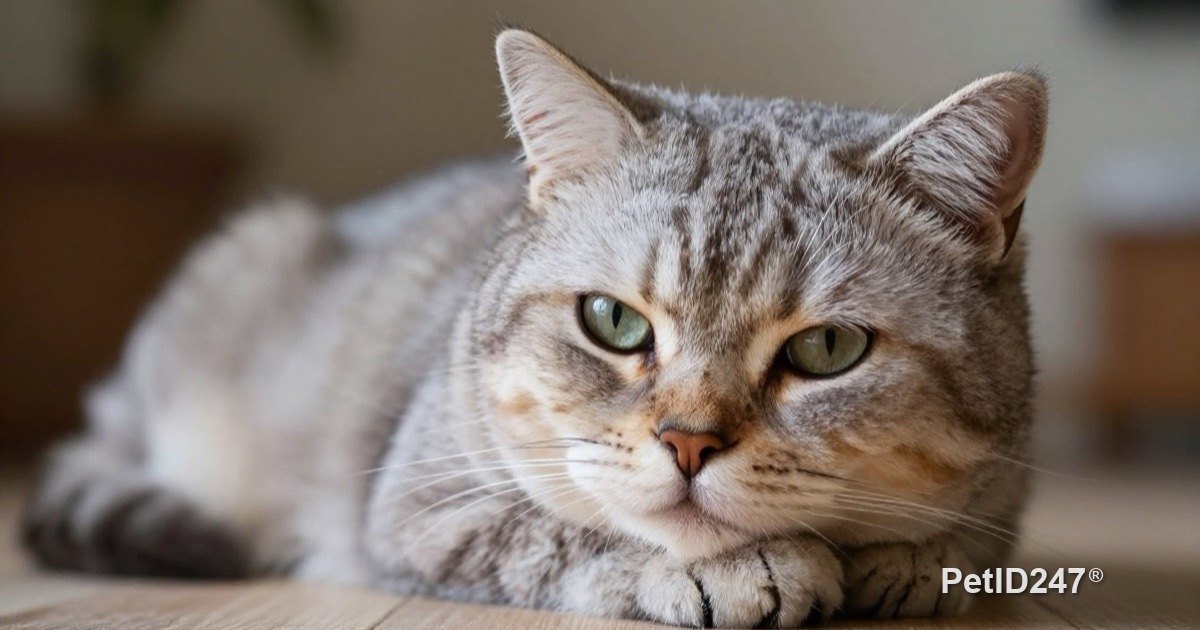
AI-generated illustration
Night-time yowling can be caused by heat, hunger, boredom or illness in older cats. Learn how to find the cause and get your peaceful nights back.
It's 3 a.m. and your cat is wandering the house yowling, scratching at the bedroom door or jumping on the bed to rub against your face. Many cat owners have been there. The good news is that night-time meowing usually has a clear cause, and once you find it, you can make changes so the whole household sleeps better.
Why cats are awake and vocal at night
Cats are most active at dusk and dawn, the times their ancestors usually hunted. Indoor cats also sleep most of the day while their owners are out, so they still have plenty of energy at night. Beyond that instinct, there are some more specific causes.
Common causes
- Heat: unspayed females yowl loudly and persistently, roll around and arch their backs. Unneutered males yowl and want to go out when they smell a female.
- Hunger: the cat has learned that meowing early in the morning gets breakfast.
- Boredom and pent-up energy: little play during the day leads to running around and meowing at night.
- Attention seeking: every time the cat meows and you get up to talk, pet or scold, the cat sees it as a reward.
- Outdoor cats: your cat sees, hears or smells other cats around the house and calls back.
- Changes at home: a new house, new furniture, or being shut out of the bedroom after previously sleeping there.
When an older cat starts yowling at night
If a previously quiet senior cat suddenly starts yowling a lot at night, think about health problems. Common causes include hyperthyroidism, high blood pressure, kidney disease, loss of sight or hearing, joint pain, and cognitive decline that leaves the cat confused and anxious in the dark. These need a veterinarian's examination and treatment advice.
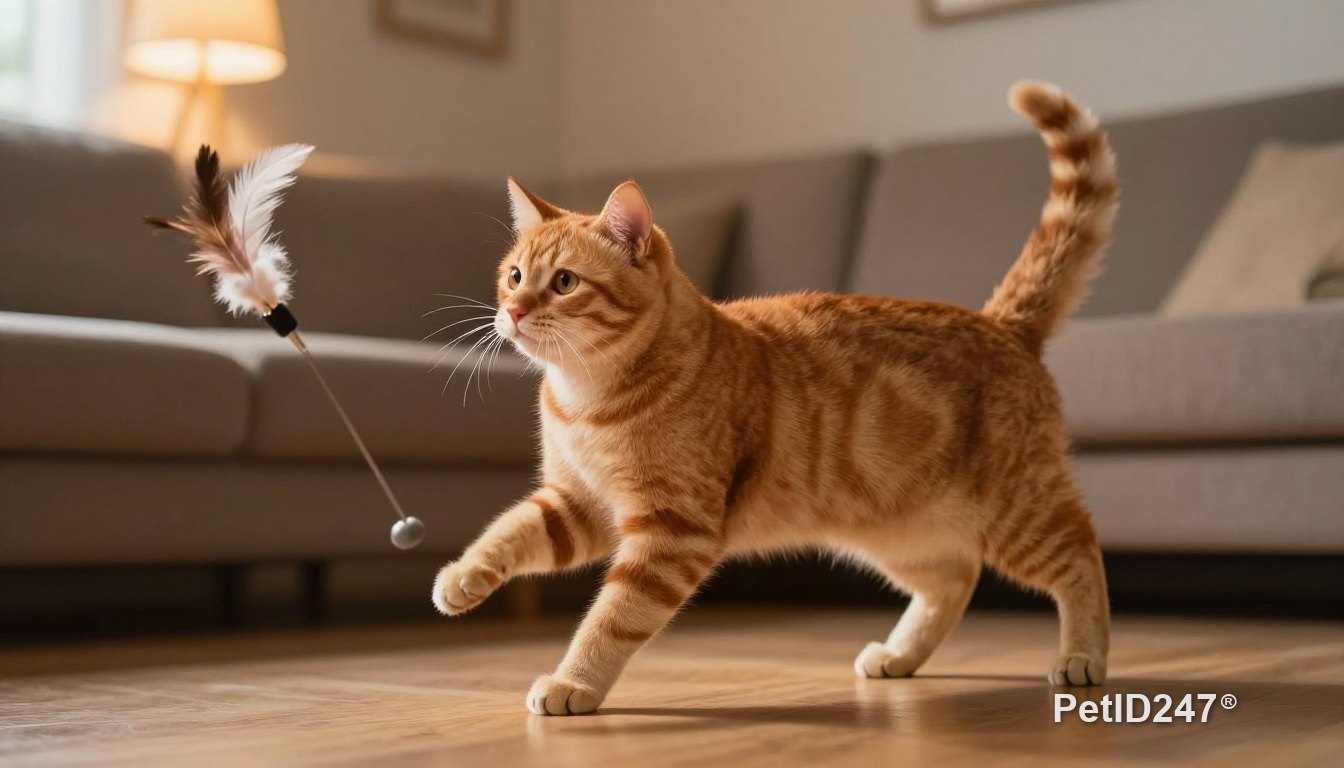
Helping your cat sleep through the night
Burn off energy before bedtime
- Play with your cat once or twice in the evening, for roughly 10–15 minutes each time as a guide, using a feather wand or toys your cat can chase and pounce on.
- End the game by letting your cat “catch” the toy, then serve dinner. Play, eat, groom, then sleep is a natural sequence for cats.
- During the day, provide scratching posts, high perches, a window seat and food puzzle toys so your cat doesn't sleep all day.
Adjust mealtimes
- Serve the last meal of the day close to bedtime.
- If your cat wakes you for breakfast, an automatic timed feeder can help your cat link meals to the feeder rather than to you.
- Keep the total daily amount the same; just redistribute the meals.
Don't reward the meowing
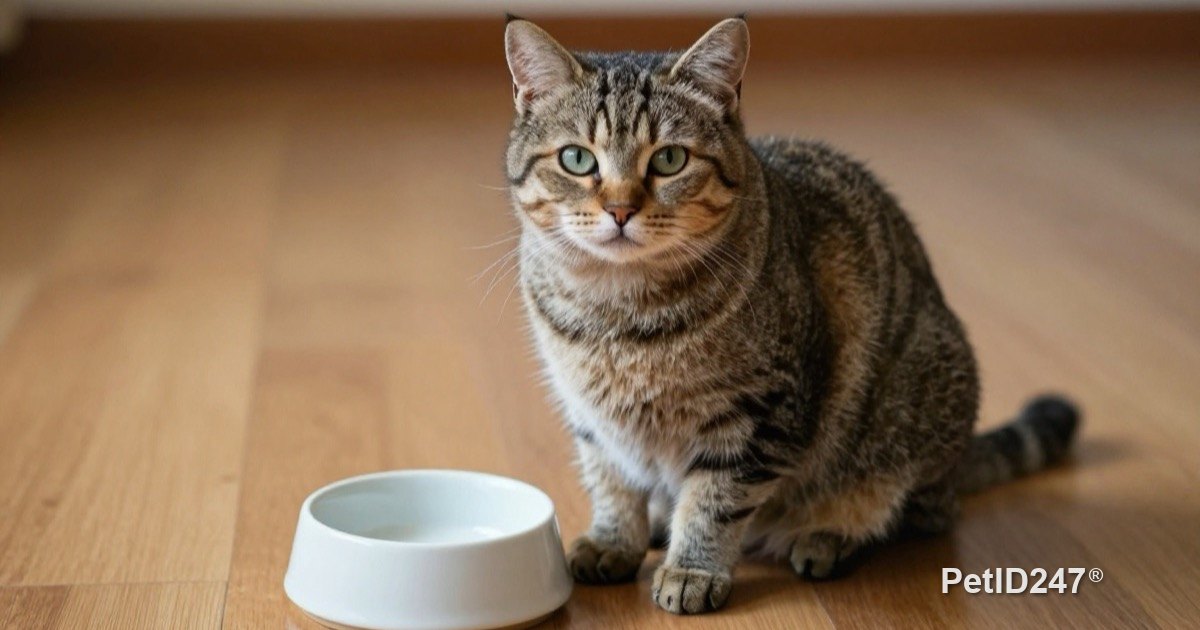
This is the hardest part. When your cat meows for attention and you are sure it isn't sick or hungry, the litter box is clean and the water bowl is full, try not to respond at all: no talking, no scolding, no opening the door, no food. At first the meowing may get louder for a while before it fades. If you give in after a long time, your cat learns that meowing longer works. Be patient and consistent.
Other helpful steps
- Spaying or neutering: the most effective fix for yowling caused by heat. Ask your veterinarian about the right timing.
- Reduce triggers from outdoor cats: close the curtains at night and don't leave food outside that attracts strays.
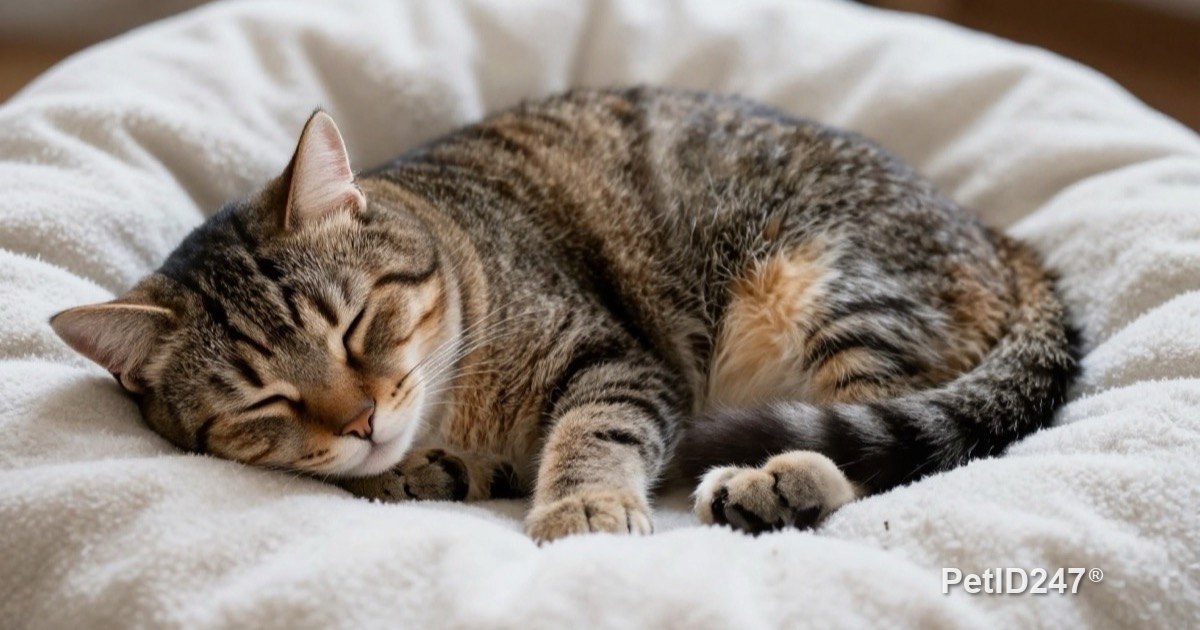
- A comfortable sleeping spot: provide a warm, quiet bed; if your cat is used to sleeping in your room, change this gradually rather than suddenly shutting the door.
- For senior cats: leave a dim night light on, keep the litter box, water and bed easy to reach, and consider placing the bed near your room for reassurance.
Never hit, spray water at or lock your cat in a cramped space to stop the meowing. This makes your cat fearful and stressed and can create new behavior problems.
When to see a vet
Take your cat to the vet if:
- An adult or senior cat suddenly starts meowing at night when it never used to.
- The meowing comes with weight loss despite a good appetite, increased thirst and urination, vomiting or diarrhea.
- Your cat seems disoriented, paces in circles, stares at walls or bumps into things.
- Your cat cries while urinating, strains without producing urine, or cries when touched.
- Your cat has trouble moving, avoids jumping or shows signs of pain.
Your veterinarian will first find and treat any medical cause; behavior changes then work much better.
This article was prepared with the help of artificial intelligence tools and reviewed by the PetID247 editorial team before publication. It is for reference only and does not replace an examination by a veterinarian.