Why Cats Bite When Petted and How to Avoid It

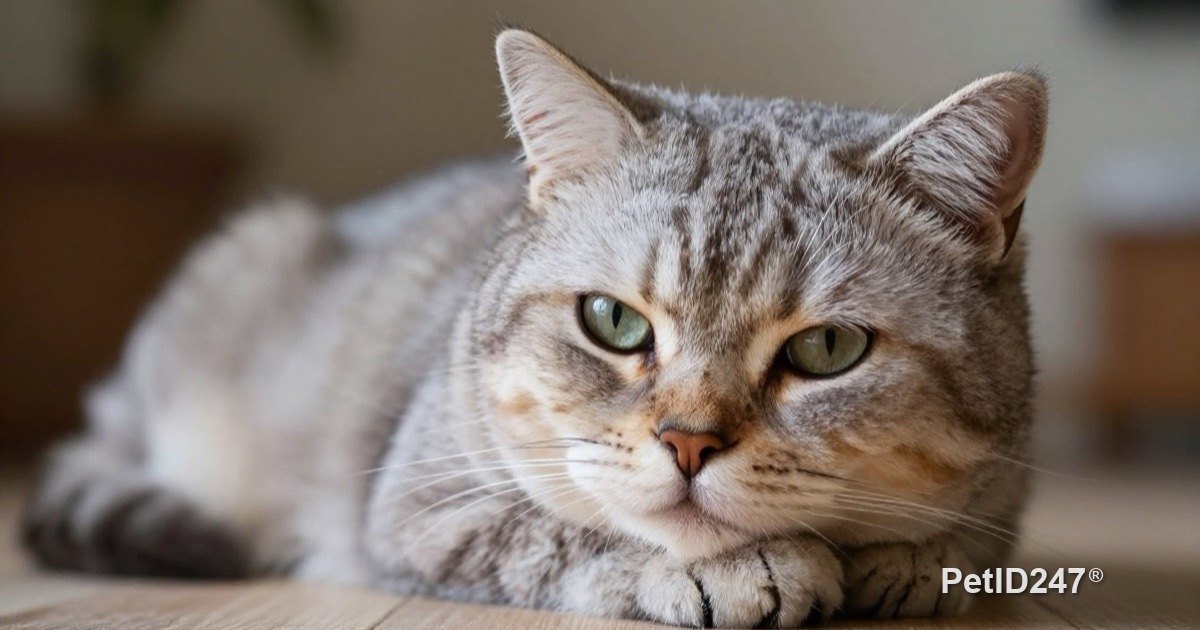
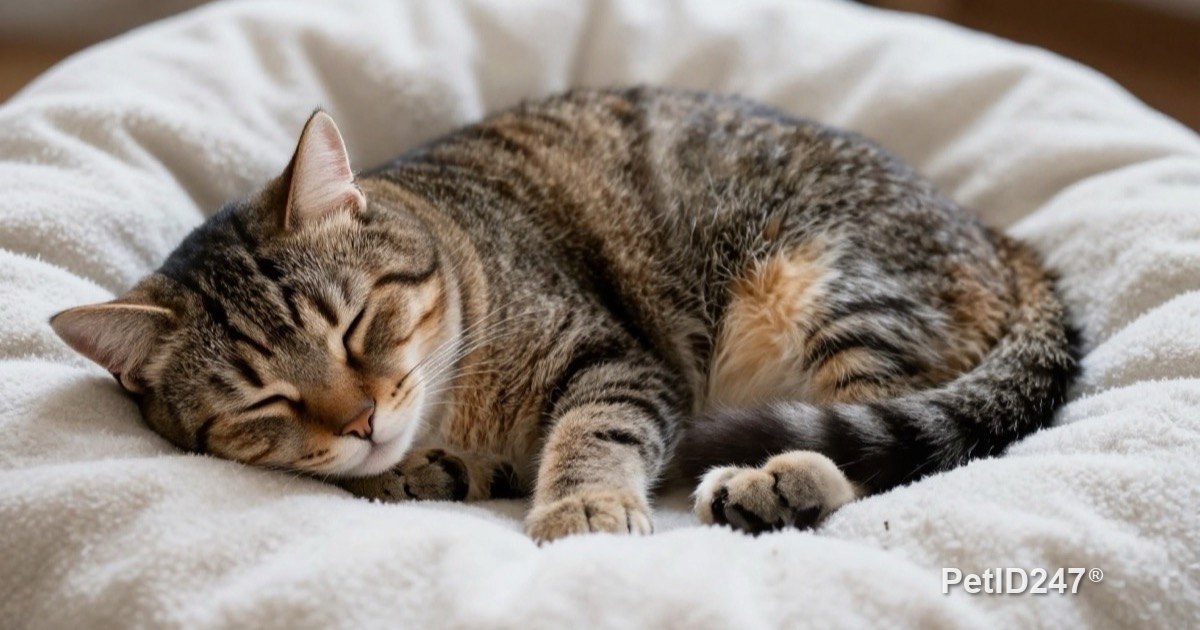
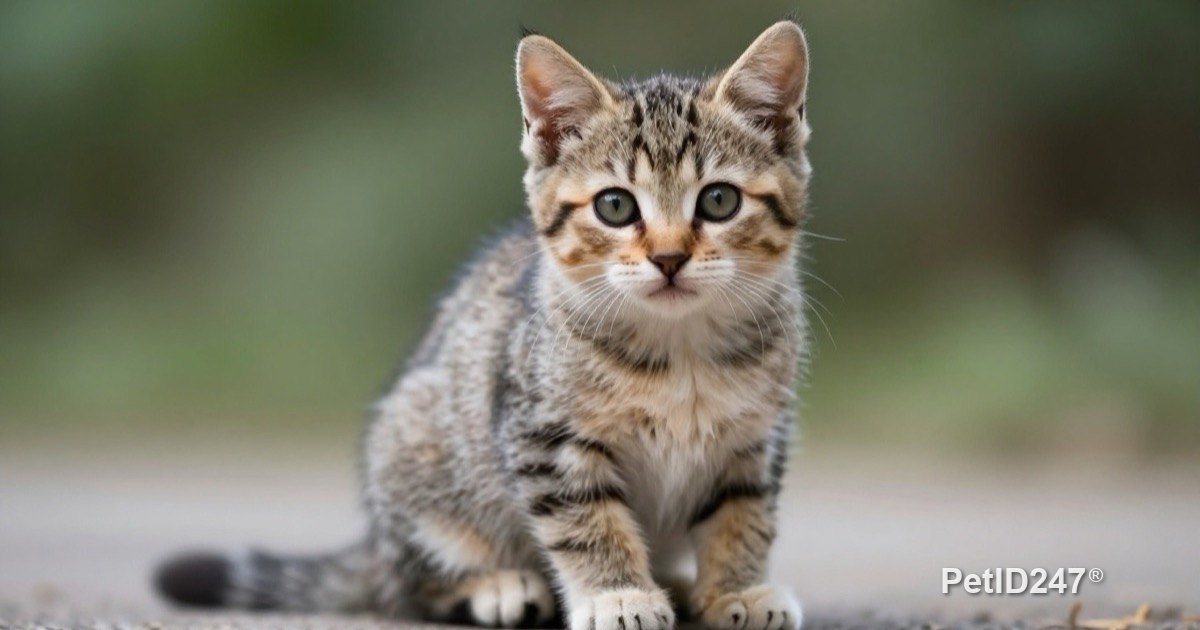
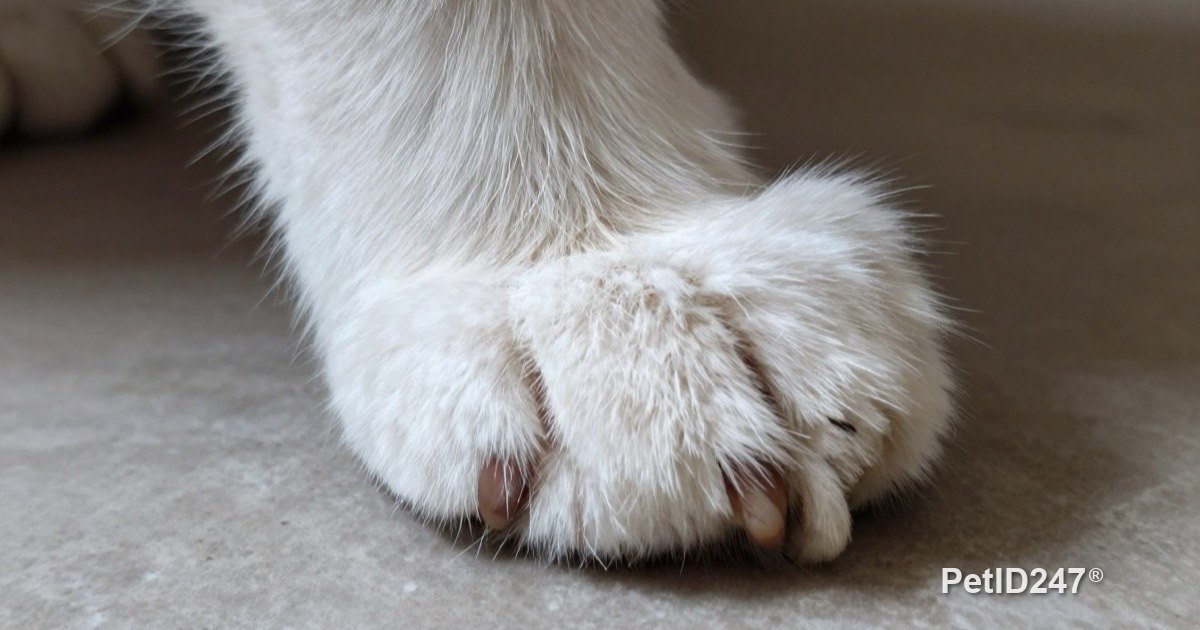
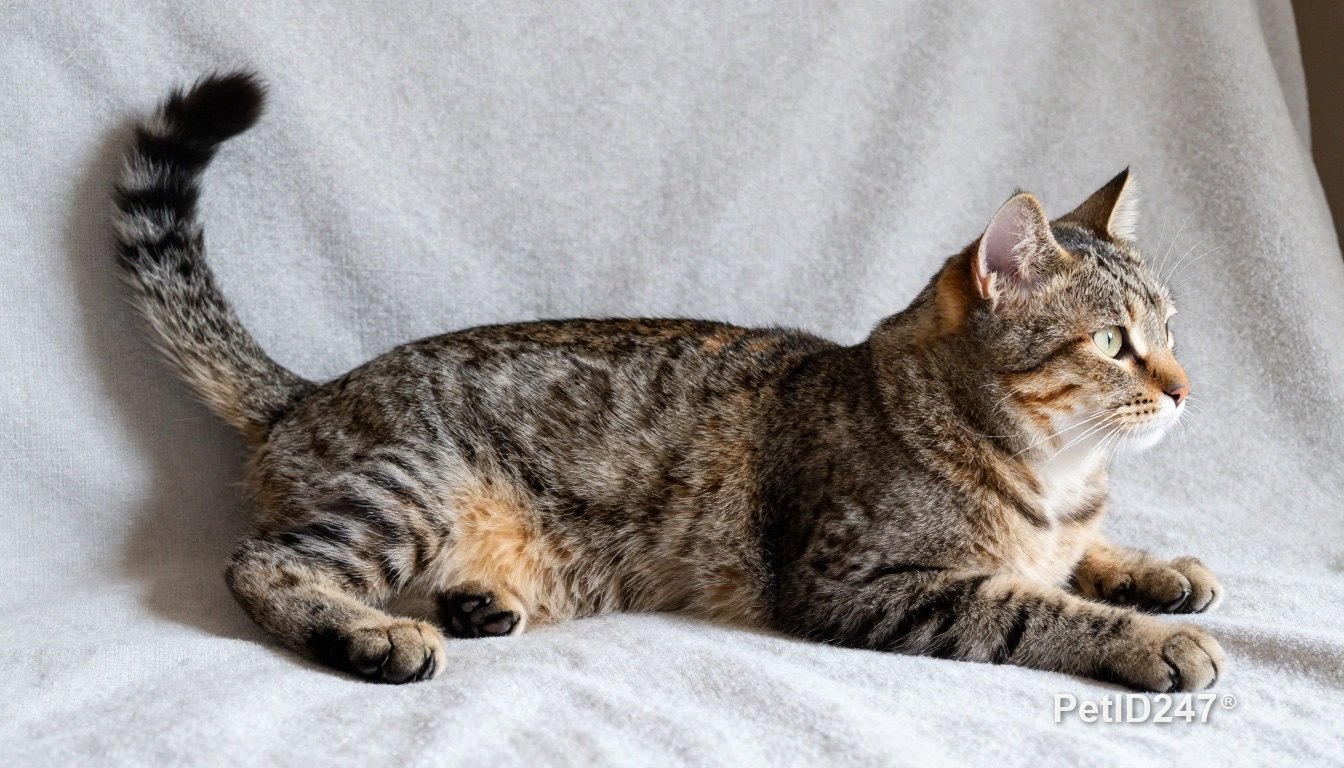
AI-generated illustration
Your cat is purring on your lap, then suddenly turns and bites. Learn why cats do this, the warning signs, and how to pet your cat so it enjoys it.
Your cat climbs onto your lap, purrs, you stroke it for a few minutes, and suddenly it turns around, bites and jumps off. Many owners feel confused or even hurt. In fact this is a fairly common behavior, often called “petting-induced aggression”. Understanding why it happens and reading your cat's signals will help you avoid almost every bite.
Why cats bite while being petted
There isn't one single explanation, but these causes are often mentioned:
- Reaching their limit: every cat has its own limit for how long and how intensely it likes to be touched. Repeated stroking can go from pleasant to irritating, even overstimulating.
- Petting the wrong spot: most cats like being scratched on the cheeks, chin and base of the ears. The belly, lower back near the tail, legs and tail are sensitive areas for many cats.
- Being held: cats like to decide when contact starts and ends. Being hugged or held when they want to leave makes them react.
- Pain or discomfort: joint pain, back pain, skin disease or a wound can make a cat bite when a particular area is touched.
- Early habits: kittens played with using hands and feet may learn to treat hands as toys to bite.
Warning signs you might be missing
Cats almost always “say” something before biting; the signals are just subtle. Stop petting as soon as you see:
- The tail starting to swish or the tip twitching.
- The skin on the back rippling or twitching.
- Ears turning sideways or flattening back.
- Purring stopping and the body stiffening.
- Your cat turning to stare at your hand, with dilated pupils.
- Shifting position, getting up or moving away.
How to pet your cat so it enjoys it
Let your cat take the lead
Hold out a finger near your cat's nose and wait. If your cat rubs its cheek against your hand, that's an invitation. If it turns away, respect that and try again later. Try the “three-second test”: stroke a few times, then stop and see whether your cat pushes against your hand for more. If it asks, keep going; if not, stop.
Choose the right areas
- Focus on the cheeks, under the chin, the base of the ears and the top of the head.
- Go easy on long strokes down the back to the base of the tail, and on the belly, legs and tail, unless your cat truly enjoys it.
- Use gentle, slow, short strokes; avoid patting hard or rubbing against the fur.
Know your own cat's limits
Notice how long your cat usually tolerates petting before showing signs of discomfort, then stop before that point. For some cats this limit can grow over time if every petting session ends on a good note, perhaps with a small treat.
What to do if you get bitten
- Keep still and don't yank your hand away: pulling away can make the bite deeper and trigger another pounce. Relax your hand and gently put your cat down or stand up.
- Don't hit or shout: your cat will become afraid of you and may bite more.
- Don't use hands or feet as toys: use wand toys or fabric mice so your cat has an outlet for its hunting instinct.
- Wash the bite thoroughly with soap and clean water. Cat bites look small, but sharp teeth go deep and infection is common. If the bite becomes swollen, red or increasingly painful, is on your hand or near a joint, or came from an unfamiliar cat, seek medical advice.
When to suspect a health problem
If a cat that has always enjoyed petting suddenly bites when touched in a particular area, or becomes much grumpier, it may be in pain. Have your veterinarian check its joints, spine, skin and mouth before thinking about training.
Summary
Cats bite during petting usually because they've reached their limit, are being touched in the wrong place or held against their will, and sometimes because of pain. Let your cat take the lead, stroke the cheeks, chin and base of the ears, keep sessions short and stop as soon as you see a swishing tail, twitching skin or flattened ears. Don't punish, don't use your hands as toys, and see a vet if the behavior changes suddenly.
This article was prepared with the help of artificial intelligence tools and reviewed by the PetID247 editorial team before publication. It is for reference only and does not replace an examination by a veterinarian.