Weaning Kittens: Gentle Steps to Solid Food
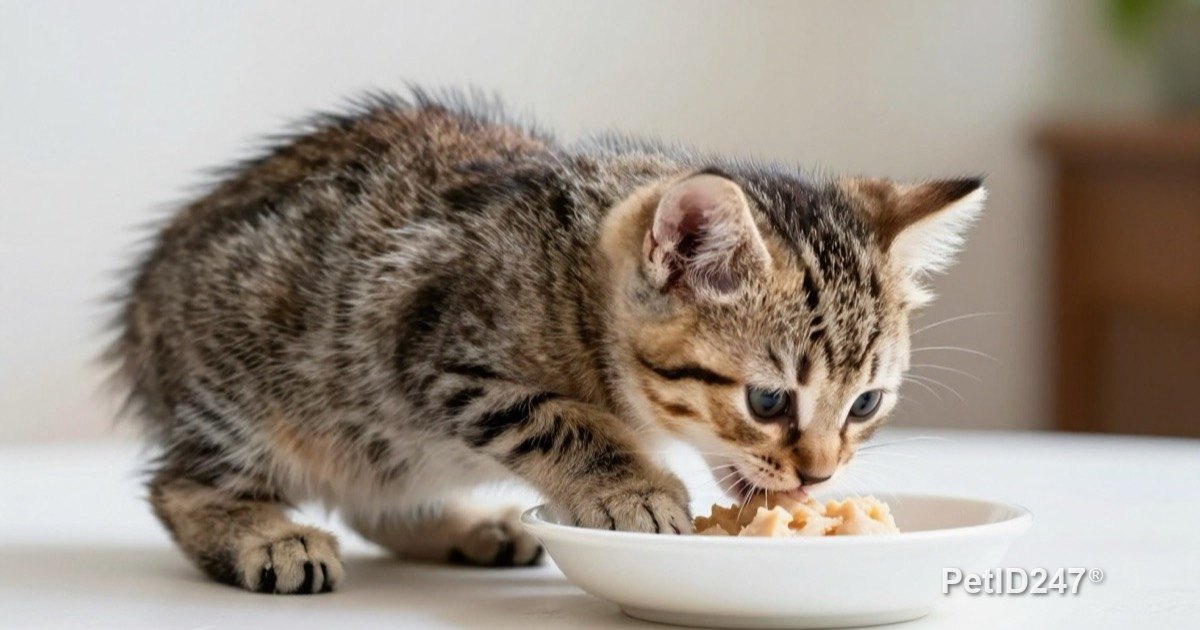
AI-generated illustration
Weaning is when kittens move gradually from milk to solid food. Learn when to start, what to feed and how to make the change slowly so kittens stay healthy.
Weaning isn't a single day when kittens are taken from their mother; it's a process that lasts several weeks. Going slowly lets the kitten's digestive system adapt and keeps stress low. Whether kittens are nursing from their mother or bottle-fed, the basic principles are the same.
When to start weaning
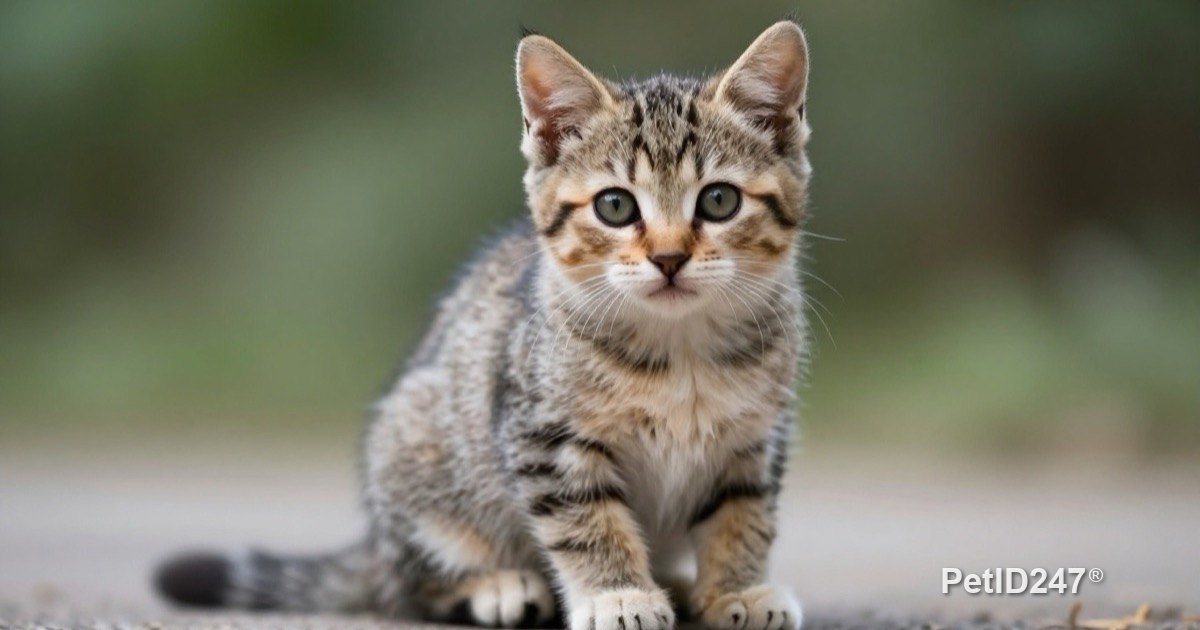
By common recommendations, kittens start trying food at around 4 weeks of age and are usually fully weaned by about 8 weeks. Every kitten is different, so look for signs of readiness rather than just counting days:
- Baby teeth have come in, and the kitten nibbles at the nipple or bottle teat.
- Walking fairly steadily and curious about the mother's food bowl.
- The mother starts moving away and doesn't let them nurse as long.
For bottle-fed orphan kittens, ask your veterinarian when to begin, since it depends on each kitten's weight and health.
What to feed when starting solids
- Kitten food: a complete diet labeled for kittens or for all life stages. Kittens need more energy and protein than adult cats.
- A soft gruel at first: kitten wet food mashed with a little warm water or kitten milk replacer into a thick mixture.
- Softened dry food: kitten kibble soaked in warm water until soft, then soaked for less time as weeks pass.
- Clean water: a shallow bowl, refreshed daily.
Don't use cow's milk to make the gruel or as a drink. Don't feed human food, bones, onion, garlic or seasoned dishes. Rice mixed with fish isn't nutritionally adequate for a growing kitten either.
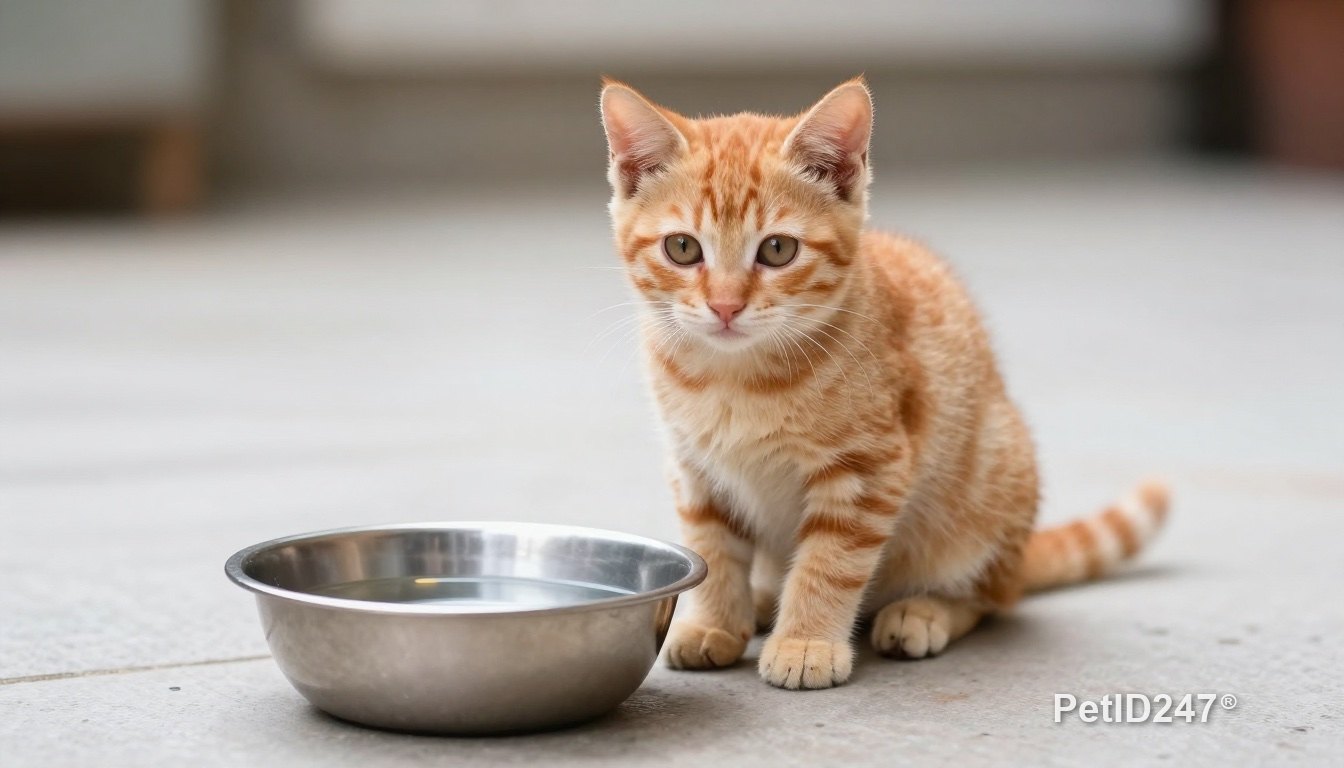
Weaning step by step
- Introduction: put a shallow dish of kitten gruel in front of the kitten. You can offer a little on a clean fingertip to lick, then lower your finger to the dish. Never push the kitten's face into the food.
- Practice a few times a day: the kitten keeps nursing or bottle feeding as usual. Solid food is only a supplement at this stage.
- Thicken gradually: after about one to two weeks, use less liquid so the gruel gets thicker. As the kitten eats more, nursing naturally decreases.
- Move to regular food: gradually offer unmixed kitten wet food and less-soaked kibble, then dry kitten food once the teeth are strong.
- Several small meals: kittens have small stomachs and need to eat several times a day. Ask your vet how many meals and how much suits each age.
Kittens learning to eat are messy: they step in the dish and get food all over their faces. Wipe them gently with a warm cloth and keep them dry and warm; don't bathe them.
Things to keep in mind
Litter training at the same time
Once kittens start eating solids, they also begin toileting on their own. Put a low, easy-to-enter tray near their sleeping area. Kittens often learn by watching their mother. They are curious and may taste litter, so choose a litter suitable for kittens as your veterinarian advises.
Don't separate them too early
Staying with their mother and littermates until about 8 weeks old, and ideally longer, helps kittens learn manners, play with restraint and be less fearful. Kittens separated too early are more likely to bite and scratch hard or be timid.
Track their weight
Weigh kittens every few days on a kitchen scale. During weaning, weight gain may slow a little but should still rise steadily. This is also a good time for a first vet visit to get advice on deworming and vaccinations.
When to see a vet
- Diarrhea lasting more than a day, bloody stool, or repeated vomiting.
- Not eating or nursing, weak, limp or cold.
- No weight gain or weight loss.
- A tight, bloated belly that is painful to touch.
- Coughing, choking while eating, a runny nose or heavy eye discharge.
Young kittens dehydrate very quickly with diarrhea or when they stop eating, so don't wait long. Contact your veterinarian early.
This article was prepared with the help of artificial intelligence tools and reviewed by the PetID247 editorial team before publication. It is for reference only and does not replace an examination by a veterinarian.