Senior Cat Eating Less and Losing Weight: What to Do
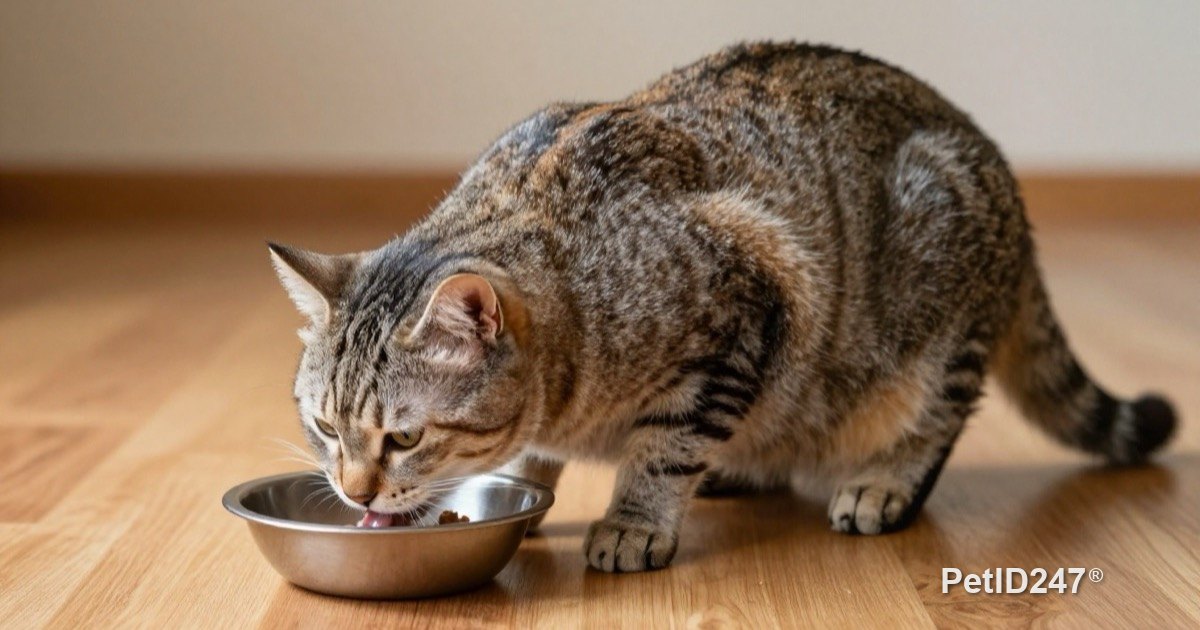
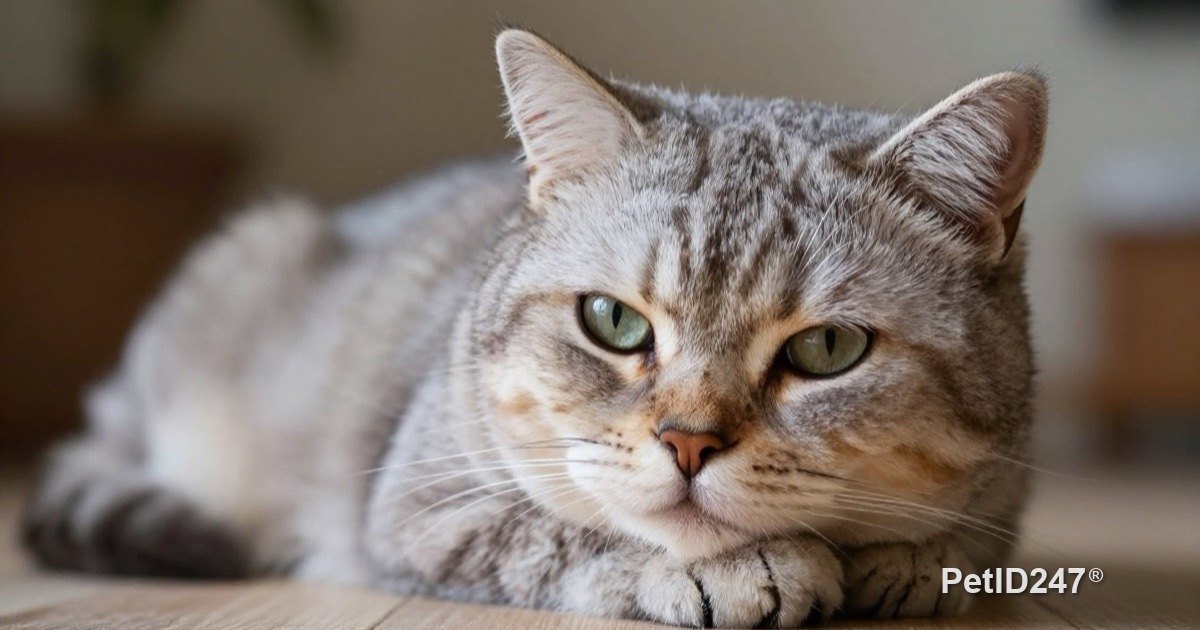
AI-generated illustration
When an older cat eats less and gets thinner, there is usually a medical cause to find. Learn the common reasons and simple ways to help your cat enjoy food again.
An older cat eating less, slowly getting thinner and showing its spine is something many owners face. Some assume it's just a natural part of aging. In fact, weight loss in senior cats almost always has a cause, and many causes can be treated if caught early.
Why senior cats eat less and lose weight
Common causes include:
- Dental pain: tartar, gum disease and tooth resorption make the cat want to eat but find chewing painful.
- Chronic kidney disease: causes nausea, poor appetite, and increased drinking and urination.
- Hyperthyroidism: a very common cause in older cats. These cats often eat more, even beg constantly, yet still lose weight and may become more active or restless.
- Diabetes: more drinking and urination, normal appetite but weight loss.
- Intestinal disease and cancer: may cause vomiting, diarrhea, or just quiet weight loss.
- Arthritis: pain when moving makes the cat reluctant to go to the food bowl, especially if it has to jump up.
- Reduced smell and taste: food becomes less appealing to older cats.
- Stress: a move, a new pet, or competition at the food bowl.
Because many diseases look alike, only an examination and tests can find the real cause.
Tracking weight at home
Weight loss in cats is usually gradual, and a thick coat hides it, so owners often miss it. A few simple methods:
- Weigh regularly: about once a month as a guide. Weigh yourself, then weigh yourself holding your cat, and subtract. Write it down to compare.
- Feel the body: run your hand along the spine and hips. If the bones feel more prominent than before or the thigh muscles seem smaller, take note.
- Record food intake: measure each meal and note what's left.
A loss that looks small on the scale can be significant for a cat that was already light. Bring your notes to the vet.
Helping a senior cat enjoy eating
While the cause is being found and treated, these steps can make eating easier:
- Warm wet food: gently warming it to about body temperature brings out the smell. Stir well and test it first so it isn't too hot.
- Small, frequent meals: older cats often eat little at a time, so several small meals are easier than one large one.
- Shallow, wide bowls: keep whiskers from touching the sides. Raising the bowl slightly helps arthritic cats avoid bending down too far.
- Soft food: if the teeth are weak, switch to pâté or a softer, more finely mashed food.
- A quiet feeding spot: place bowls where other pets won't compete, away from the litter box, easy to reach without jumping.
- Clean bowls: wash after each meal and throw away wet food that has been sitting out.
- Change food gradually: if you need to switch, mix the new food in slowly to avoid stomach upset.
Don't give appetite stimulants, vitamins or supplements without asking your veterinarian. If your cat is on a therapeutic diet for a specific illness, don't swap to another food just because your cat prefers it; talk to your vet to find a suitable option.
Why a cat shouldn't go without food for long
When a cat stops eating, the body mobilizes stored fat, but the feline liver handles large amounts of fat poorly. A cat that skips food for a few days, especially an overweight one, is at risk of hepatic lipidosis (fatty liver), a serious disease. For cats, not eating is never something to wait out for long.
When to see a vet
- Your cat refuses food completely for more than about a day, or eats very little for several days.
- Clear weight loss, whether your cat is eating less or still eating a lot.
- Increased drinking or urination, vomiting or diarrhea.
- Drooling, bad breath, difficulty chewing or dropping food.
- Yellow skin or eye whites, weakness, or hiding in one spot.
Senior cats should have regular checkups on the schedule your veterinarian recommends. Early detection makes treatment much gentler and more effective.
This article was prepared with the help of artificial intelligence tools and reviewed by the PetID247 editorial team before publication. It is for reference only and does not replace an examination by a veterinarian.