Ringworm in Cats: Signs and How to Clean Your Home
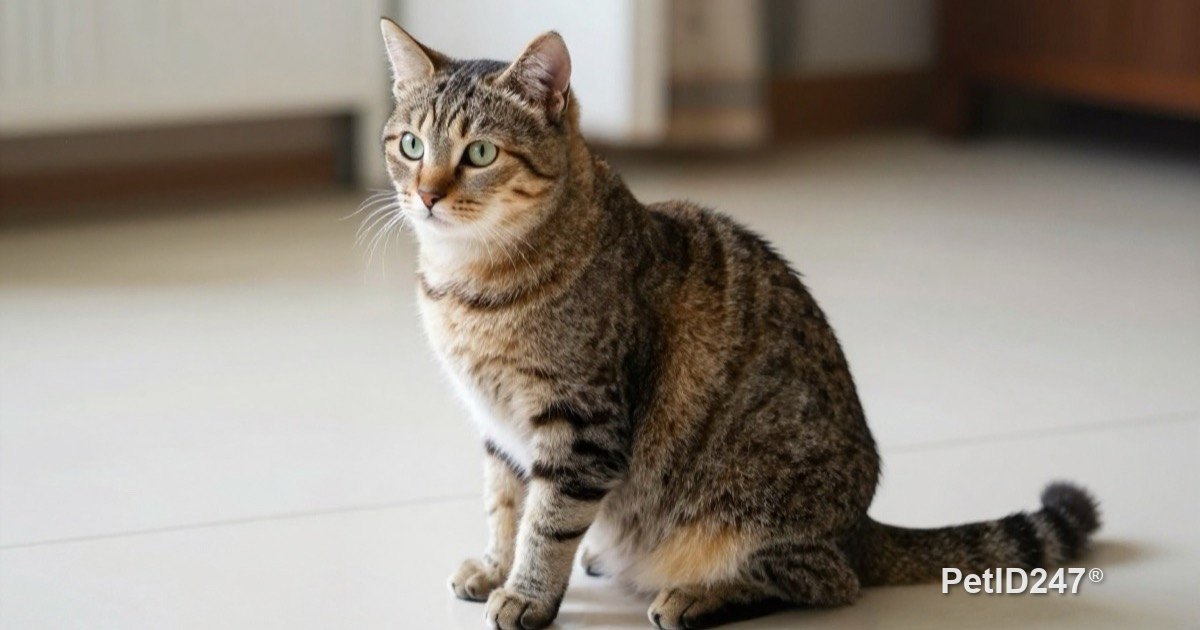
AI-generated illustration
Ringworm in cats can spread to people and other pets, and fungal spores linger in the home. Learn the signs and how to clean your home to get rid of it for good.
Your cat has round patches of hair loss and flaky skin, and a few weeks later a red ring-shaped mark appears on your arm. It's very likely ringworm, a fairly common skin disease in cats, especially kittens. Despite the name, it is caused by a fungus, not a worm. Ringworm isn't usually dangerous, but it is stubborn and contagious. To get rid of it, you need to treat your cat and clean your home properly at the same time.
What is ringworm in cats?
Ringworm (dermatophytosis) is caused by fungi that live on hair, skin and nails. In cats, the most common one is Microsporum canis. Fungal spores cling to hairs and skin flakes that are shed wherever the cat goes, and can survive in the environment for many months, sometimes longer.
It spreads through direct contact with an infected cat, or indirectly through bedding, brushes, toys, carriers and furniture. It can spread to people, dogs and other pets. Those most at risk include:
- Kittens, senior cats, and cats that are weak or have other illnesses.
- Long-haired cats.
- Cats from crowded settings, newly rescued cats, or cats recently in group boarding.
- Young children, older people and people with weakened immunity in the household.
Some cats carry the fungus without showing any signs, but can still infect people and other animals.
Signs to look for
- Round or irregular patches of hair loss, often on the face, ears, legs or tail.
- Flaky, scaly or dandruff-like skin in those areas, sometimes red or crusty.
- Short, broken, ragged hairs.
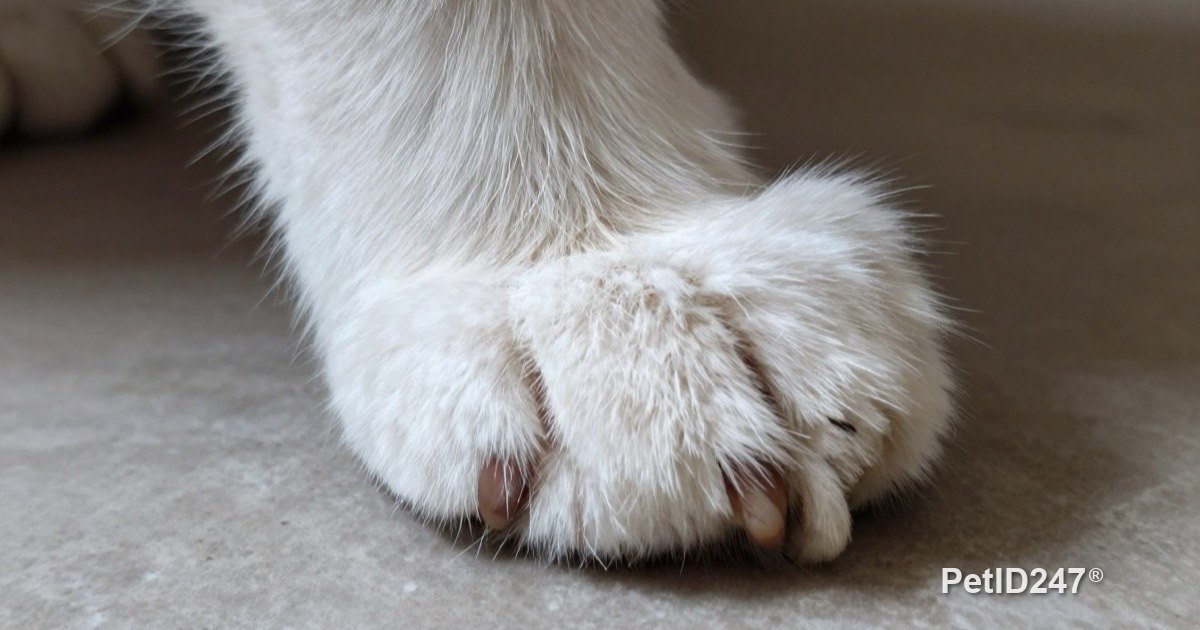
- Rough or misshapen claws (less common).
- Itching may or may not be present. Many cats with ringworm hardly scratch at all.
Many other skin problems, such as allergies, mites or bacterial infections, look similar. Your veterinarian may use a special lamp, examine hairs under a microscope, do a fungal culture or other tests to reach an accurate diagnosis.
Treating your cat
Ringworm treatment usually lasts from several weeks to a few months and may combine medicated baths or topical treatment with oral medication. The type of medicine, how it is used and how long treatment lasts must follow your veterinarian's directions. Some key points:
- Don't stop treatment on your own when the fur grows back. The fungus may still be there; your vet usually retests before deciding when to stop.
- Don't use human antifungal products on your cat without asking your veterinarian.
- Clip the fur around affected areas, or all over if your vet advises, so treatments reach the skin better and fewer spore-carrying hairs are shed.
- Treat other pets in the home if your veterinarian thinks it's necessary, as some may carry the fungus without signs.
Cleaning your home to get rid of it for good
If you only treat your cat and don't clean the environment, leftover spores can reinfect it. Follow these steps:
- Contain the area: during treatment, keep your cat in one easy-to-clean room with few fabrics, rugs and furniture.
- Vacuum often: floors, furniture, corners and crevices. Discard the bag or empty the canister right after vacuuming.
- Clean hard surfaces: first remove hair and dust with water and detergent, then apply a disinfectant that is effective against fungal spores, diluted and left on for the contact time stated on the label. Ask your veterinarian which product is suitable.
- Wash fabrics: bedding, towels, pillowcases and clothes your cat has touched should be washed thoroughly, possibly twice, in hot water if the material allows.
- Deal with your cat's supplies: clean brushes, toys, beds and carriers thoroughly, or throw away items that are hard to clean, such as carpeted scratching posts.
- Keep going until it's gone: continue regular cleaning until your veterinarian confirms your cat is free of the fungus.
Protecting people at home
- Wash your hands with soap after holding, brushing or treating your cat.
- Limit young children's cuddling of the cat during treatment, and don't let the cat sleep on beds.
- If you or a family member develop red, ring-shaped, itchy or scaly skin patches, see a doctor (dermatologist) and mention that your cat has ringworm.
When to see a vet
Take your cat to the vet if it has:
- Patches of hair loss, flaky or crusty skin with no obvious cause.
- Areas of hair loss that are spreading or appearing in new places.
- Red, weeping or pus-filled skin, or a lot of scratching or licking.
- A family member who develops skin lesions that might be ringworm.
- Skin changes in a kitten, a senior cat or a cat with another illness.
During treatment, keep your follow-up appointments so your veterinarian can assess progress and decide when to stop treatment.
This article was prepared with the help of artificial intelligence tools and reviewed by the PetID247 editorial team before publication. It is for reference only and does not replace an examination by a veterinarian.