Moving House With a Cat: Easing Stress and Settling In
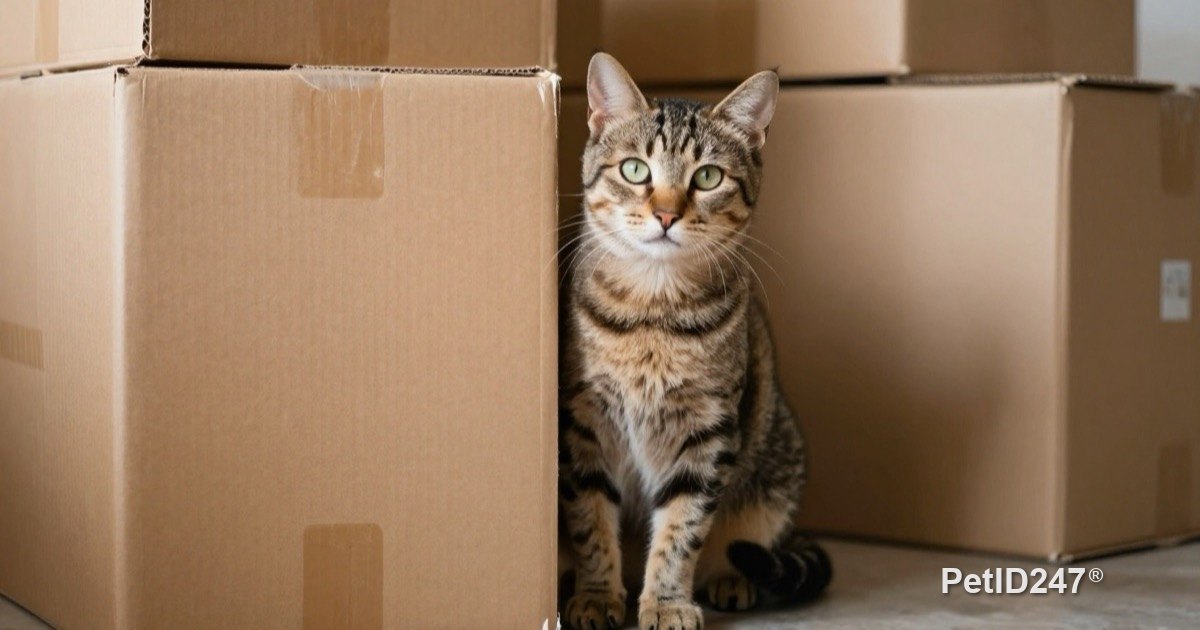
AI-generated illustration
Cats are territorial, so moving can make them fearful, stop eating or soil the house. Learn how to prepare, stay safe on moving day and help your cat settle in.
For a cat, home is familiar territory, down to every smell and hiding spot. Moving turns all of that upside down, so many cats become fearful, hide for days, stop eating or try to run off. With good preparation and some patience, most cats settle into a new home within a few weeks.
Signs your cat is stressed
- Hiding under the bed or in a closet and refusing to come out.
- Eating or drinking less, or not at all.
- Peeing or pooping outside the litter box, scratching or rubbing its face on many surfaces to mark territory.
- Meowing more, especially at night; or the opposite, being unusually quiet.
- Overgrooming to the point of patchy hair loss.
- Irritability, hissing or swatting when touched.
A few days of shyness is normal. But if it goes on, or affects eating and toileting, pay closer attention.
Preparing before moving day
- Get your cat used to the carrier: leave it open in the house for a few weeks beforehand, lined with a familiar-smelling towel, and drop treats inside now and then.
- Keep the routine: feed and play at the usual times, even when the house is chaotic.
- Pack gradually: let your cat get used to the boxes; don't clear everything out at once.
- Update contact details: if your cat has a microchip or ID tag, change it to your new address and phone number. A panicked cat in an unfamiliar area can easily get lost.
- Check with your vet if needed: if your cat gets carsick or is very fearful on long trips, ask your veterinarian how to help. Any sedative or anti-nausea medicine should be used only as directed by your veterinarian.
- Synthetic pheromone products in spray or plug-in form may help some cats feel calmer; ask your vet if they're suitable and read the product label carefully.
Moving day: keeping your cat safe
Moving day is the riskiest time, with doors constantly open, strangers coming and going, and lots of noise.
- From early morning, shut your cat in an emptied room with a litter box, water, a hiding place and the carrier. Put a sign on the door asking everyone to keep it closed.
- Give only a light meal a few hours before travel to reduce carsickness.
- Put your cat in the carrier last, once everything is loaded.
- Secure the carrier in the car and cover it with a light cloth to reduce fear. Never put your cat in the trunk or a moving truck, and never leave your cat alone in a hot car.
- At the new home, take your cat into a prepared room first, before unloading furniture.
Helping your cat settle into the new home
Start with one room
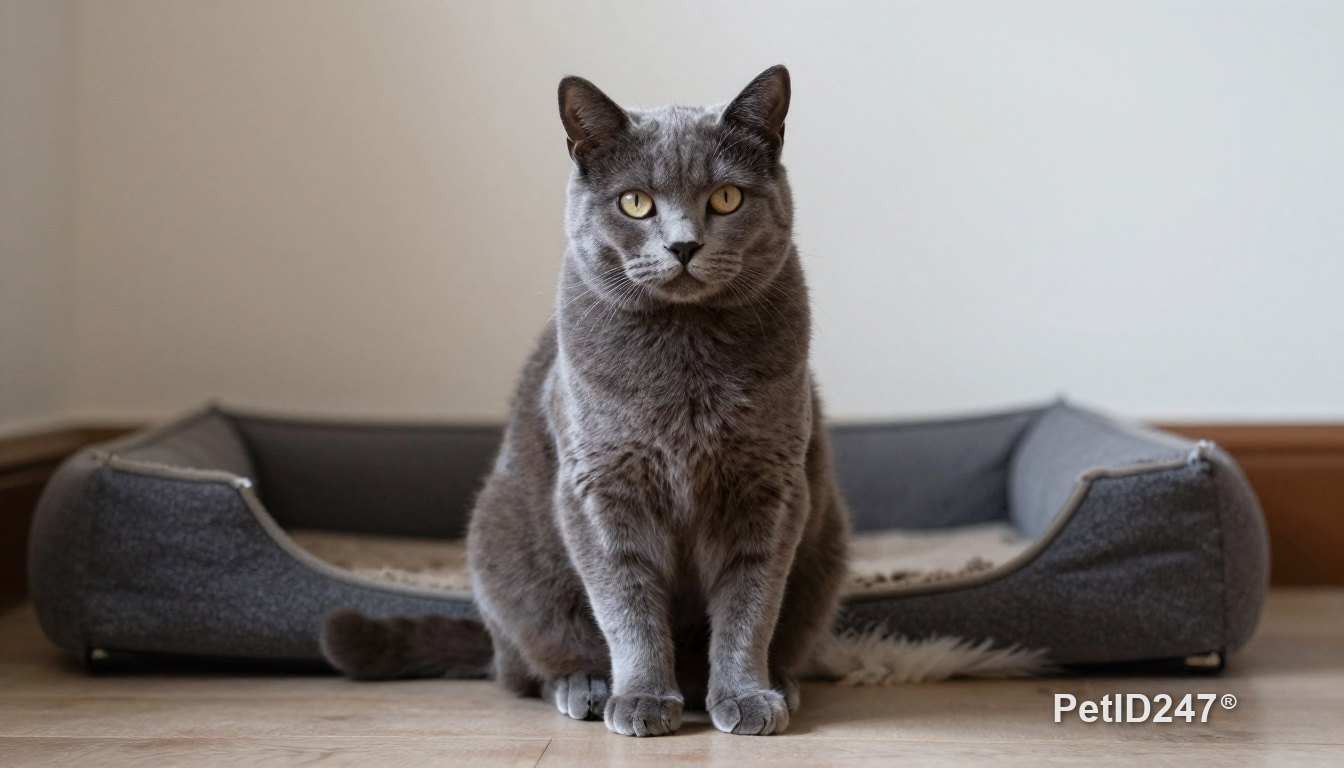
Choose a quiet room as the first "safe room." Set up a litter box with the familiar old litter, water, food, a bed and items carrying the smell of the old home, such as unwashed towels or blankets. Open the carrier and let your cat come out when it's ready; don't pull it out.
Expand gradually
- Once your cat is eating normally, using the litter box and moving confidently around the room, open up one area of the house at a time.
- Check the new home first: block gaps behind kitchen cabinets and washing machines, check window and balcony screens, and put away chemicals and plants toxic to cats.
- Place the litter box in its permanent spot, moving it gradually if needed.
- Play with your cat every day using familiar toys to relieve stress.
Cats used to going outdoors
If your cat used to go outside, keep it strictly indoors for at least the first few weeks, until it treats the new home as its territory. A cat let out too soon may try to find its way back to the old home and get lost. It's also a good moment to consider keeping your cat indoors for good.
When to see a vet
- Your cat refuses food completely for more than about a day. Cats that go without food for long can develop serious liver disease.
- Your cat strains in the litter box with little or no urine, or passes blood. Stress can trigger bladder inflammation in cats, and a blocked male cat is an emergency.
- Ongoing vomiting or diarrhea, or weakness.
- Your cat is still hiding, very fearful or soiling the house after a few weeks. Your veterinarian can rule out illness and advise on behavioral support.
This article was prepared with the help of artificial intelligence tools and reviewed by the PetID247 editorial team before publication. It is for reference only and does not replace an examination by a veterinarian.