Leopard Gecko Not Eating: Common Causes
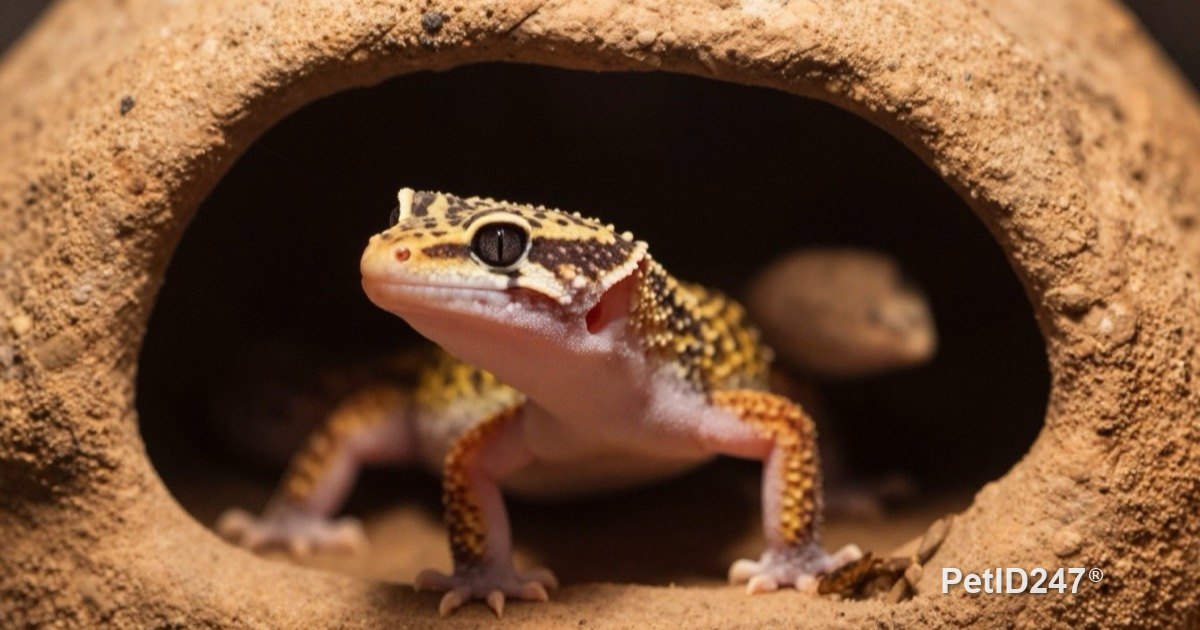
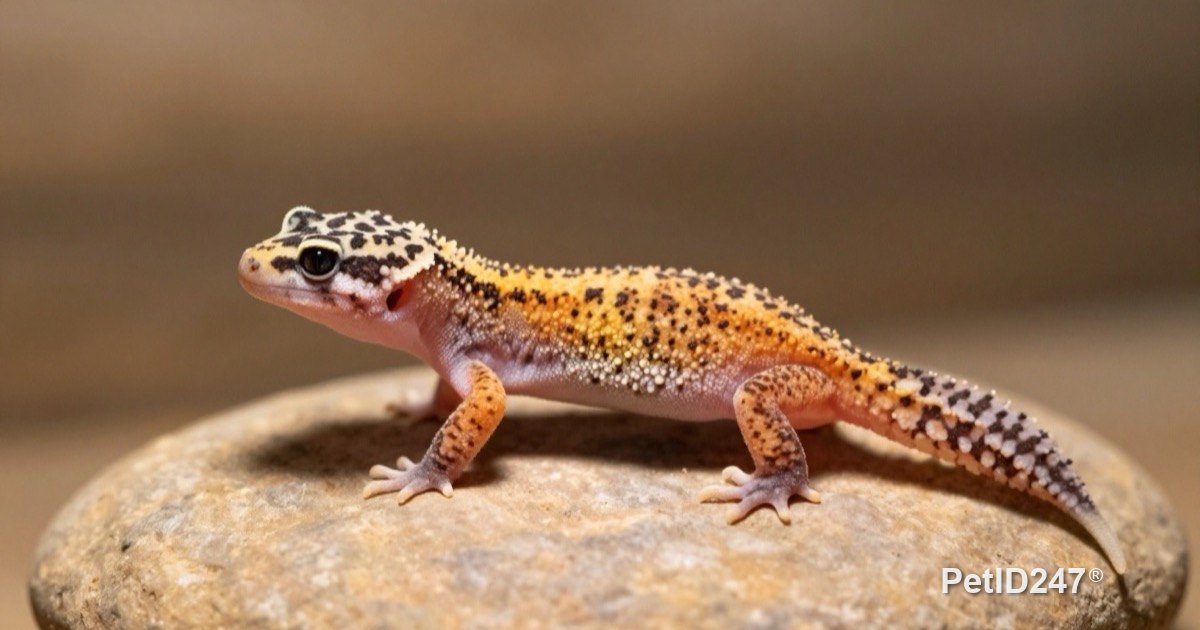
AI-generated illustration
A leopard gecko off its food may just be cold, about to shed or in breeding season, but it can also be a sign of illness. Learn to check each cause and when to see a vet.
Leopard geckos usually eat quite steadily, so when one ignores its crickets or mealworms, owners get worried. The good news is that many cases have a simple, fixable cause. The key is to track weight and check each possibility in turn.
Watch the tail and the weight
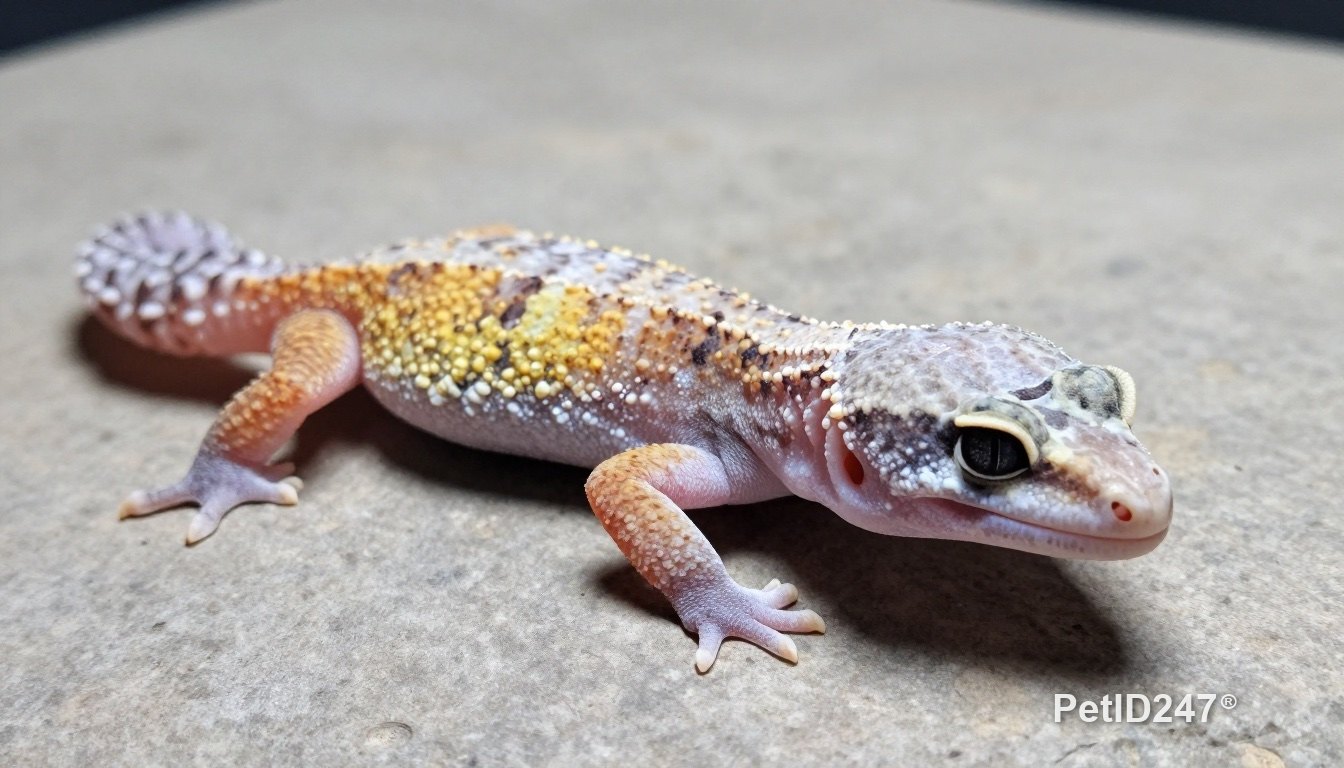
Leopard geckos store fat in their tails. A healthy adult with a plump tail can go without food for a short while without harm. On the other hand, a juvenile or a gecko with a thin, shrunken tail that stops eating needs attention early.
- Weigh your gecko weekly on a kitchen scale with fine increments and record the results.
- Look at the thickness of the tail compared with the body.
- Steady weight loss matters more than a few skipped meals.
Environmental causes
The wrong temperature
Leopard geckos need heat from below to digest. If the warm spot isn't warm enough, they eat less or stop. Check surface temperatures at the warm and cool ends with a thermometer, and use a thermostat to keep them steady. The cold season is when this happens most.
Stress
- A new home or new enclosure: many geckos refuse food for a few days to a few weeks at first.
- Too few hides: they need at least one hide at the warm end, one at the cool end and a humid hide.
- Too much handling, a noisy location, or dogs and cats watching.
- Several geckos housed together, especially two males, leads to fights and weaker animals being pushed aside.
Natural causes
- An upcoming shed: the skin turns dull and milky; geckos often eat less for a few days before and during shedding. Provide a humid hide so the shed comes off completely.
- Breeding season: males may lose appetite while looking for mates; gravid females may eat less close to laying.
- Cooler months: some geckos naturally eat less when it's cooler and days are shorter.
- Boredom with food: fed the same insect every time, a gecko can become picky. Rotate suitable feeder insects such as crickets, mealworms and feeder roaches.
Review how you feed
- Leopard geckos eat only live insects, not vegetables, fruit or other animals' dry food.
- Insects should be the right size: no bigger than the space between the gecko's eyes.
- Feed the insects well for a few days beforehand, and dust them with calcium powder following the product label.
- Feed in the evening, when the gecko is active.
- Don't leave live crickets in the enclosure overnight; they can bite the gecko.
When not eating is a sign of illness
Think of illness if loss of appetite comes with:
- A rapidly shrinking tail or obvious weight loss.
- Runny, unusually smelly droppings, or no droppings for many days with a swollen belly.
- Weak legs, dragging itself, a soft jaw or trembling: possible metabolic bone disease.
- Eyes kept closed, swelling or discharge; retained shed constricting toes or tail.
- Swallowed substrate such as sand, which can cause an intestinal blockage.
- A female with a large belly who digs restlessly but can't lay.
When to see a vet
Take your gecko to a veterinarian experienced with reptiles when:
- It has refused food for more than two weeks, or sooner if it's a juvenile or has a thin tail.
- Its weight keeps dropping from one weigh-in to the next.
- You notice any of the signs of illness above.
Don't force-feed or give medication without guidance. Any medicine, including parasite treatments, should be used only as directed by your veterinarian. Bring your weight records, photos of the enclosure and a fresh fecal sample if you can.
This article was prepared with the help of artificial intelligence tools and reviewed by the PetID247 editorial team before publication. It is for reference only and does not replace an examination by a veterinarian. How we write our articles