How to Switch Cat Food Without an Upset Stomach
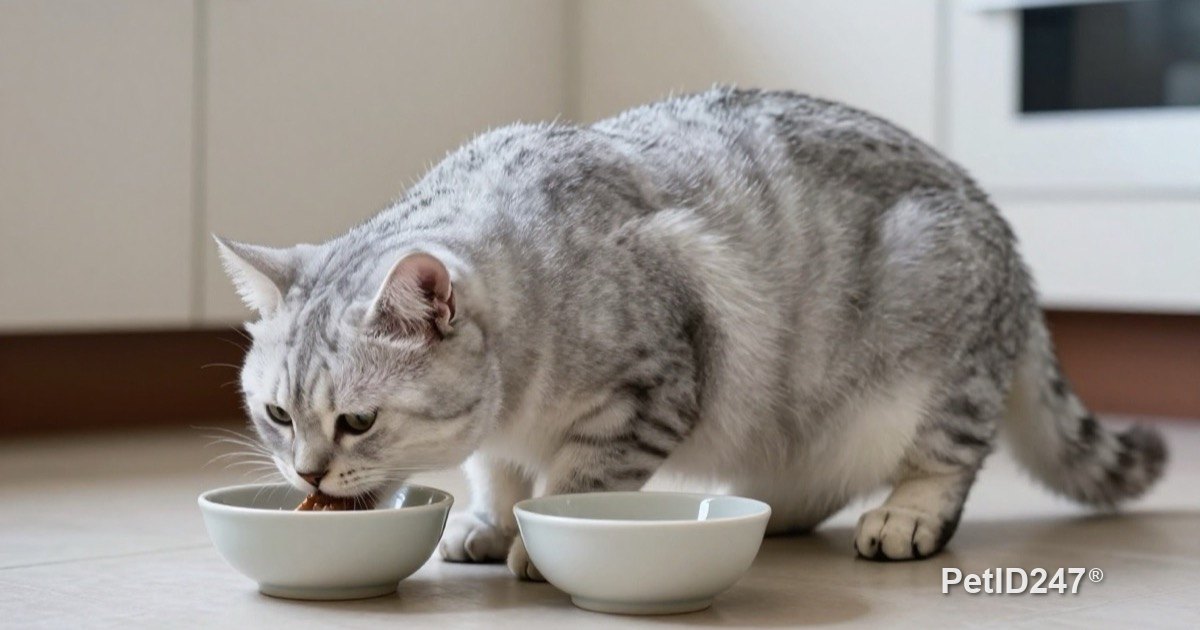
AI-generated illustration
Changing food suddenly can cause diarrhea, vomiting or food refusal in cats. Here is a gradual transition plan and tips to get picky cats to accept a new food.
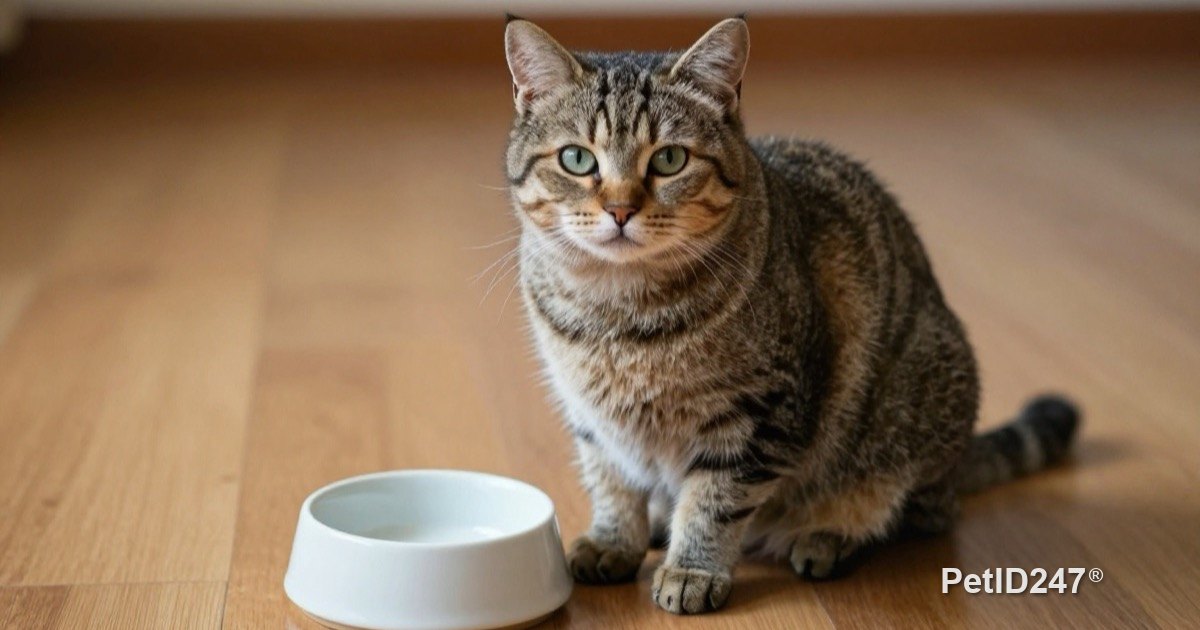
There are many reasons to change your cat's food: a kitten growing up, a cat that has been neutered, a cat on a special diet, or simply because the old food is no longer available. But a cat's digestive system is fairly sensitive, and cats are very conservative eaters. Switching the right way helps avoid tummy trouble and gets your cat to accept the new food.
Why you shouldn't switch suddenly
The gut bacteria in your cat's intestines are used to the old food. Switching all at once doesn't give the gut time to adapt to different levels of protein, fat and fiber, which can lead to:
- Diarrhea, loose or unusually smelly stools.
- Vomiting and gas.
- Constipation in some cats.
- Refusing to eat because of an unfamiliar smell, taste or kibble shape.
Food refusal deserves special attention. Cats that go without food for a few days risk fatty liver disease, especially overweight cats. So never use the “they'll eat when they're hungry enough” approach with a cat.
A sample transition schedule
The usual method is to mix the new food gradually into the old over about 7–10 days. This is only a guide; you can take longer if your cat is sensitive.
- Days 1–3: about one quarter new food, three quarters old food.
- Days 4–6: about half new, half old.
- Days 7–9: about three quarters new, one quarter old.
- From day 10: new food only.
Only move to the next step when your cat is eating well and its stools are normal. If stools become loose, go back to the previous ratio for a few days, then continue more slowly. Sensitive or older cats may need two to three weeks.
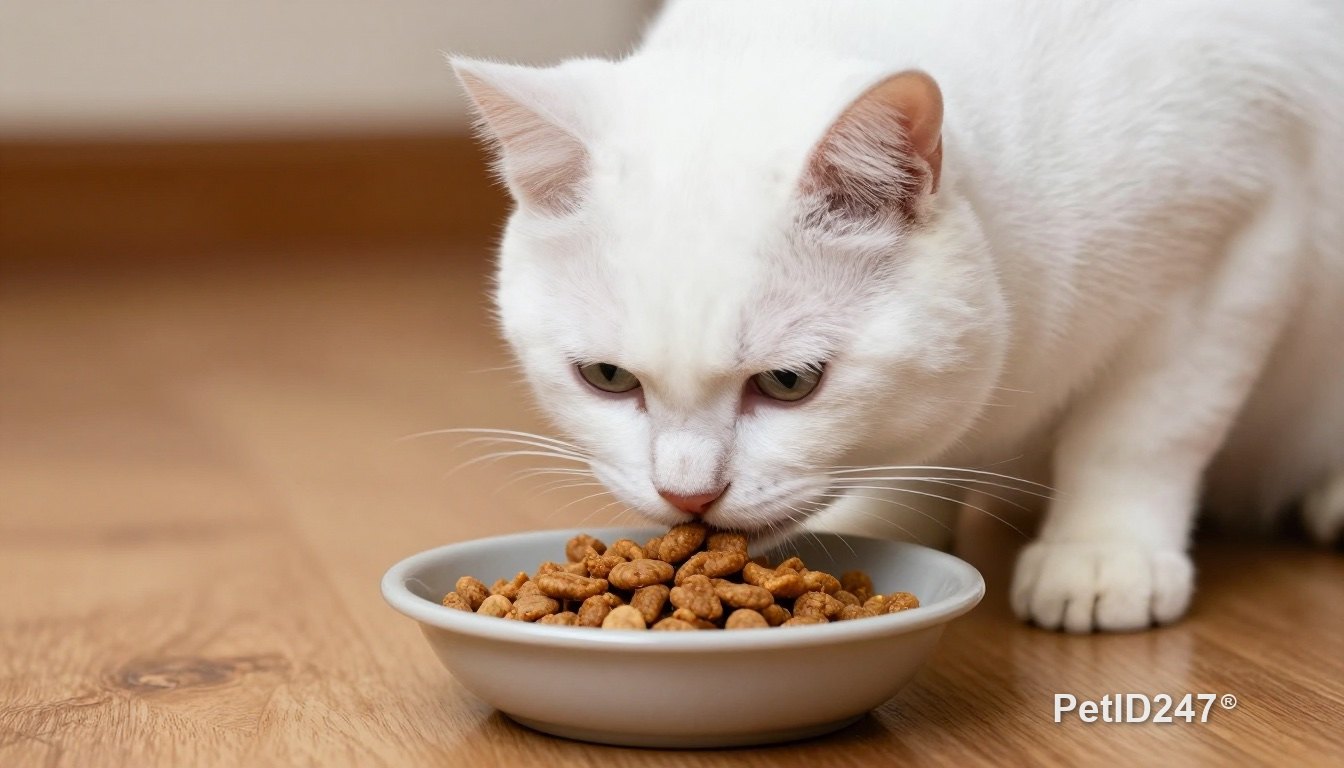
Tips for picky cats
- Mix thoroughly: with dry food, mix well so your cat can't pick out the old kibble. With wet food, mash and blend carefully.
- Warm wet food: wet food close to body temperature smells stronger and is more appealing. Don't make it hot.
- Feed scheduled meals: a cat that is moderately hungry at mealtime is more willing to try something new than a cat that grazes all day.
- Keep everything else the same: same bowl, same place, same time. Change only one thing at a time.
- Switch food types gradually too: when moving from dry to wet food or vice versa, you can place two bowls side by side for a while and let your cat explore.
- Don't hide medicine in the new food: your cat may link the smell of medicine to the new food and refuse it altogether.
- Avoid stressful times: don't switch food right after moving house, a vet visit or the arrival of a new pet.
Special situations
Diets prescribed by your veterinarian
For cats with kidney disease, urinary problems, food allergies or on a weight-loss plan, your veterinarian may prescribe a special diet. Ask about the right transition speed, and tell your vet promptly if your cat won't eat it, rather than going back to the old food or mixing in other foods on your own. On an elimination diet to diagnose allergies, your cat must eat only that food for the whole trial period.
Kittens moving to adult food
Kittens need kitten food to grow. The switch to adult food usually happens around one year of age, depending on breed; large breeds may switch later. Ask your veterinarian at routine checkups.
Emergency switches
If you have to switch immediately, for example because the old food was recalled or spoiled, choose a new food with the most similar ingredients, offer small meals spread through the day and watch your cat's stools and appetite closely.
When to see a vet
Take your cat to the vet if, during or after a food change, it:
- Stops eating completely for a day or more, or eats very little for several days.
- Has diarrhea lasting more than a day or two even after returning to the old ratio, or blood or mucus in the stool.
- Vomits several times a day, or vomits and is lethargic.
- Becomes itchy, scratches a lot, loses fur or develops a rash after eating the new food.
- Loses weight, or has yellowing of the skin or gums.
This article was prepared with the help of artificial intelligence tools and reviewed by the PetID247 editorial team before publication. It is for reference only and does not replace an examination by a veterinarian.