How to Brush a Long-Haired Cat at Home
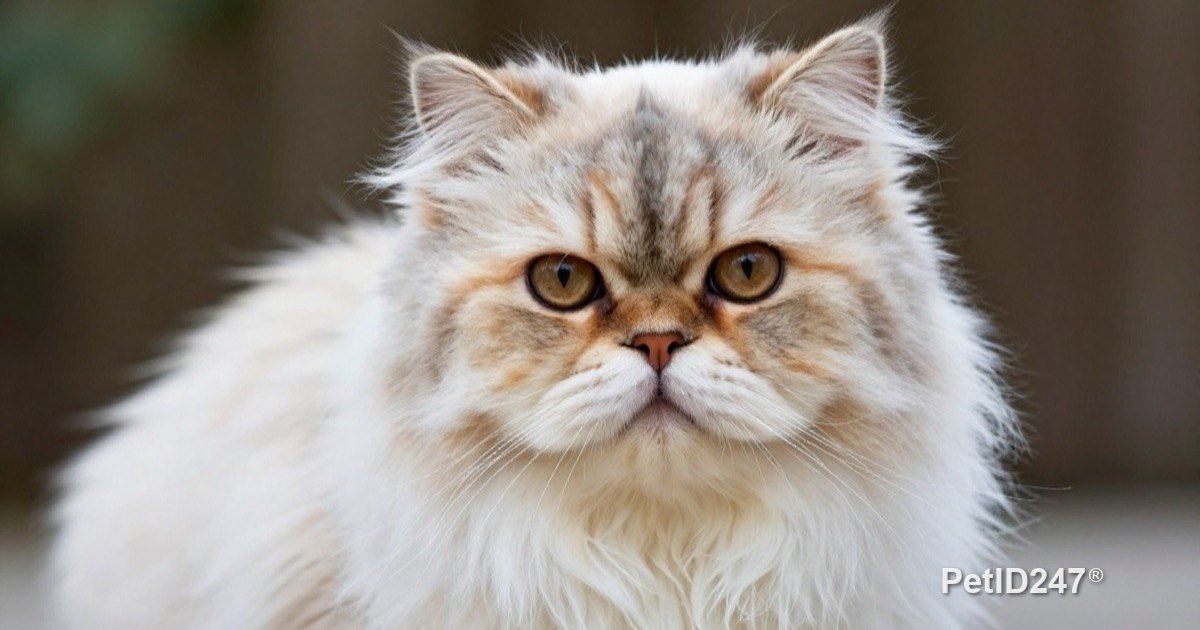
AI-generated illustration
Long-haired cats need brushing almost daily to prevent tangles, mats and hairballs. How to choose tools, brush each area and deal with mats safely.
A long, silky coat is the pride of many cat owners, but it doesn't stay beautiful on its own. Self-grooming isn't enough to keep a long-haired cat's coat free of tangles. Without regular brushing, the fur clumps into mats that pull on the skin and cause pain and discomfort.
Why long-haired cats need regular brushing
- Prevents tangles and mats: shed hair doesn't fall away but wraps around the remaining fur, gradually forming tight mats close to the skin.
- Reduces hairballs: brushing out loose hair means your cat swallows less fur while grooming.
- Health check: brushing is a chance to spot fleas, wounds, lumps, dandruff or red skin early.
- Bonding: done gently, many cats come to see brushing time as a moment of pampering.
For most long-haired cats, brush every day or every other day, just a few minutes each time. Short, regular sessions are always better than one long session a week.
Getting your tools ready
- Wide-toothed metal comb: the main tool for detangling and combing right down to the skin.
- Fine-toothed comb: for a final check after brushing and for the finer fur around the face and legs.
- Soft slicker brush: removes loose hair from the undercoat. Use it gently and don't scrape the skin.
- Pet dematting tool: only once you are experienced with it.
- Rewards: a few small treats your cat loves.
Choose tools with rounded tips so they don't scratch your cat's skin.
Step-by-step brushing
- Pick the right moment: when your cat is relaxed or sleepy, such as after a meal. Avoid times when your cat is full of energy and wants to play.
- Start with the easy areas: the back and sides, where your cat enjoys being stroked.
- Brush in layers: part the fur with your hand and brush the hair closest to the skin first, then the outer layer. Brushing only the surface leaves tangles underneath.
- Hold the base when detangling: with one hand hold the fur near the skin, and with the other work from the tip toward the root so you don't pull on your cat's skin.
- Move to sensitive areas gradually: behind the ears, under the neck, armpits, belly, inner thighs and around the bottom. These are where mats form most often because of friction.
- Finish with the fine-toothed comb: if the comb glides smoothly from root to tip, the coat is tangle-free.
- Praise and reward: stop while your cat is still happy, don't wait until they start struggling.
If your cat won't cooperate
Break it into very short sessions, one area at a time. Watch for signs of discomfort: a lashing tail, ears turned sideways, twitching skin on the back, or your cat turning to look at your hand. When you see these signs, stop and try again later. Forcing your cat only makes the next time harder.
Dealing with mats
Small, loose mats can be teased apart gradually with your fingers and a wide-toothed comb, a little at a time. A little grooming powder made specifically for pets can sometimes make this easier.
Don't use scissors close to a mat. Mats often pull the skin up inside them, making it very easy to cut your cat's skin by mistake. This is a fairly common accident when owners try to handle mats themselves.
If a mat is large or tight against the skin, or your cat is matted all over, ask your veterinarian or an experienced pet groomer for help. They can shave the mats safely with clippers. Some very stressed cats may need sedation from a veterinarian before the mats can be removed.
Summary
- Brush briefly every day or every other day, all the way down to the skin, paying attention to the armpits, belly and behind the ears.
- Trim the fur around the bottom so your cat stays cleaner after using the litter box, or ask someone experienced to do it.
- Long-haired cats rarely need baths. If you do bathe your cat, detangle thoroughly first, because water makes mats tighter. Dry your cat completely afterward.
- Older, overweight or arthritic cats groom themselves less well and need more brushing help from you.
- If your cat's coat suddenly becomes dull, sheds heavily, or shows dandruff or red, itchy skin, take your cat to the vet, as this can be a sign of skin disease, parasites or an internal illness.
This article was prepared with the help of artificial intelligence tools and reviewed by the PetID247 editorial team before publication. It is for reference only and does not replace an examination by a veterinarian.