Foods and Houseplants Toxic to Cats: What to Avoid
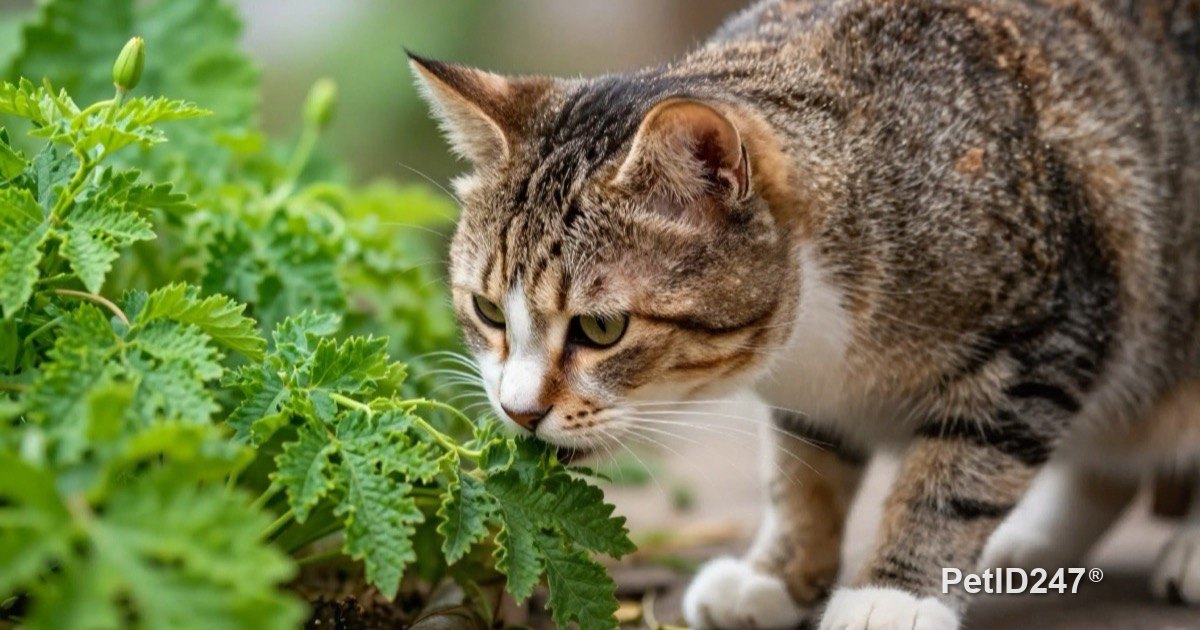
AI-generated illustration
Onions, garlic, chocolate, lilies and many everyday household items can poison cats. Here is what to avoid and what to do if you suspect your cat ate something.
Cats are pickier eaters than dogs, but that doesn't make them safe from toxins. Cats are curious, like to nibble leaves and lick whatever gets on their fur. Their bodies also process some substances far less well than humans or dogs do. Knowing the dangers in advance helps you set up a safe home from the start.
Human foods you shouldn't give your cat
- Onions, garlic, chives, shallots and related plants: raw, cooked, dried or powdered, they can damage red blood cells and cause anemia. Be careful with human porridge, soups, broths and braised meats, which often contain onion or garlic.
- Chocolate, coffee, tea and energy drinks: they contain stimulants that can cause vomiting, a racing heart, tremors and seizures. Dark chocolate and cocoa powder are especially dangerous.
- Alcohol and raw yeast dough: cats are very sensitive to alcohol. Raw dough can also expand in the stomach.
- Grapes and raisins: they are known to damage the kidneys in dogs. There is less data for cats, but it is best to avoid them completely.
- Candy, baked goods and chewing gum with sugar substitutes: keep them out of reach of all pets.
- Cooked bones: they splinter easily into sharp fragments that can cause choking, perforation or intestinal blockage.
- Cow's milk: most adult cats digest milk sugar poorly, and drinking milk can easily cause diarrhea.
- Raw fish, raw meat and raw eggs: they carry a risk of bacteria and parasites. Feeding raw fish regularly can also lead to a deficiency of an important B vitamin.
- Salty, heavily seasoned or fatty foods: these easily upset digestion and are not suitable long term.
A diet of nothing but canned tuna meant for people or plain boiled meat does not provide complete nutrition. Cats need food that is balanced specifically for cats.
Dangerous houseplants and flowers
Lilies: the number one danger
Lilies, including Easter lilies and daylilies, are extremely toxic to cats. Nibbling a little leaf or petal, licking pollen off their fur or drinking water from the vase can all cause acute kidney failure. If you have a cat, it is best not to bring these flowers into your home at all.
Other common plants to watch out for
- Sago palm and cycads: every part is toxic, especially the seeds, and can cause severe liver damage.
- Oleander: affects the heart.
- Azaleas, tulips and daffodils: cause vomiting and diarrhea and may affect the heart or nervous system.
- Chinese evergreen, pothos, elephant ear and peace lily: their sap causes burning in the mouth, drooling and vomiting.
- Aloe vera, kalanchoe and poinsettia: usually cause digestive irritation.
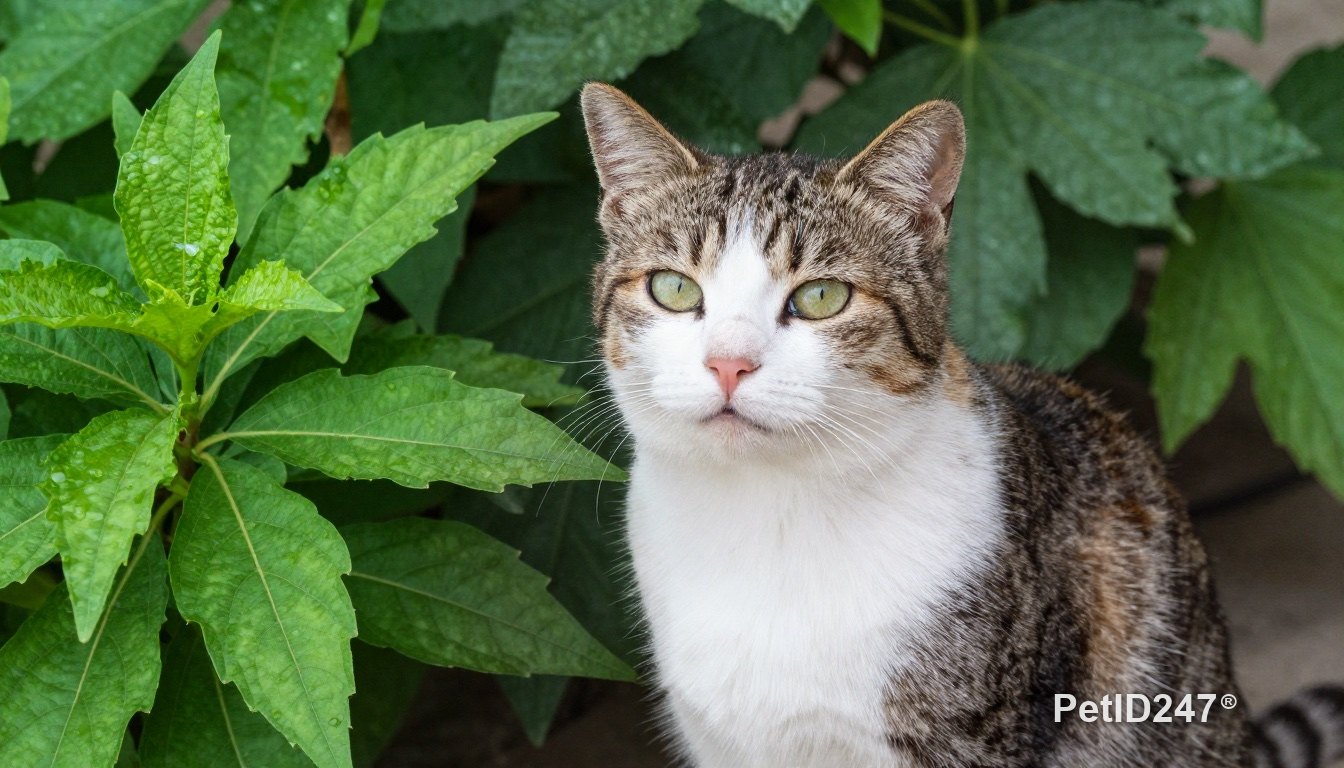
This list is not complete. Before buying a new plant, check whether it is safe for cats. If you are not sure, keep the plant somewhere your cat cannot reach, or choose a different one.
Other hazards around the home
- Human medicines: never give your cat human pain relievers or fever reducers. Some are highly toxic to cats even in small amounts.
- Flea and tick products for dogs: some dog products contain ingredients that cause seizures in cats. Only use products clearly labeled for cats, read the product label carefully and follow your veterinarian's directions.
- Essential oils and diffusers: many essential oils can be harmful when cats inhale them or lick oil off their fur.
- Cleaning chemicals, rat poison and insecticides: store them in a locked cabinet or up high. Dry the floor after cleaning with chemicals so your cat doesn't lick it off their paws.
- String, thread, needles and rubber bands: not toxic, but if swallowed they can cause a dangerous intestinal blockage.
If you suspect your cat ate something toxic
- Stay calm and move your cat away from the source.
- Note what your cat ate, roughly how much and when. Bring the packaging, label or a piece of the plant if you can.
- Do not try to make your cat vomit with salt, soapy water or any home remedy. This can cause further harm.
- Don't give milk, oil or any antidote on your own.
- Call your veterinarian right away and get your cat examined as soon as possible.
When to see a vet
Take your cat to a veterinarian immediately, even if they seem fine, if you know or suspect they have been exposed to lilies, human medicines, rat poison, dog flea and tick products or essential oils. Many poisonings only show signs hours or even days later, when treatment becomes harder.
Signs that need urgent care include:
- Vomiting, diarrhea, heavy drooling or pawing at the mouth.
- Trembling, wobbly walking or seizures.
- Lethargy, refusing food, fast or difficult breathing.
- Pale or yellow gums, or a change in urine color.
- Urinating a lot, or not urinating at all.
Prevention is better than cure. A quick check of your kitchen cupboards, medicine cabinet and houseplants can spare your cat from a tragic accident.
This article was prepared with the help of artificial intelligence tools and reviewed by the PetID247 editorial team before publication. It is for reference only and does not replace an examination by a veterinarian.