Dog Drinking and Peeing a Lot: Signs to Watch
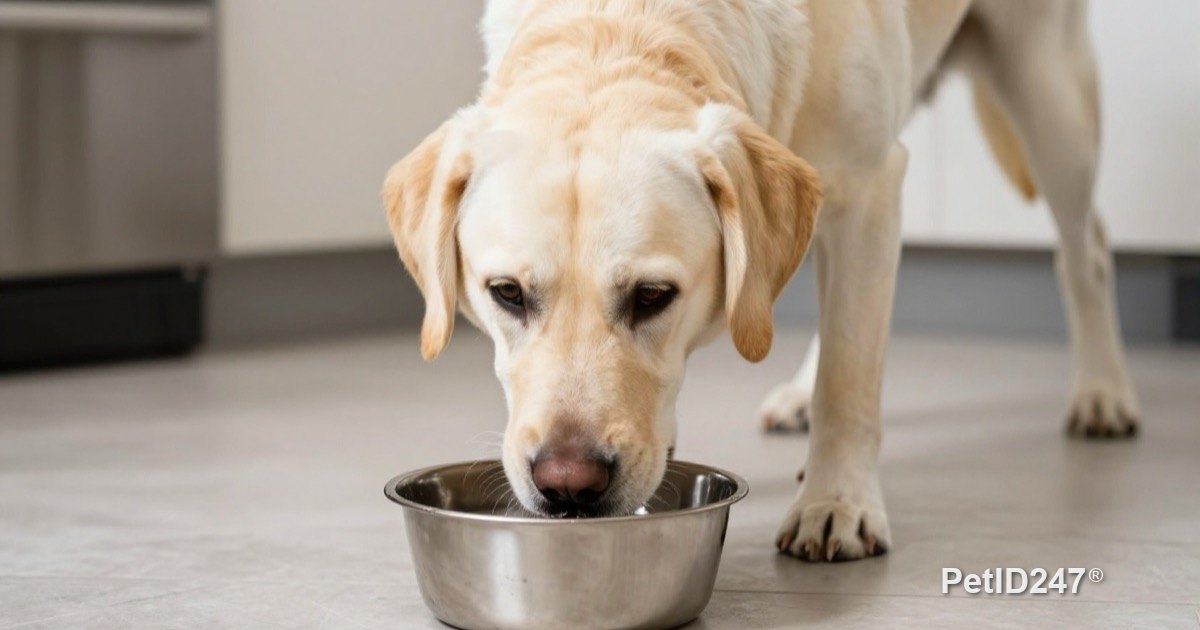
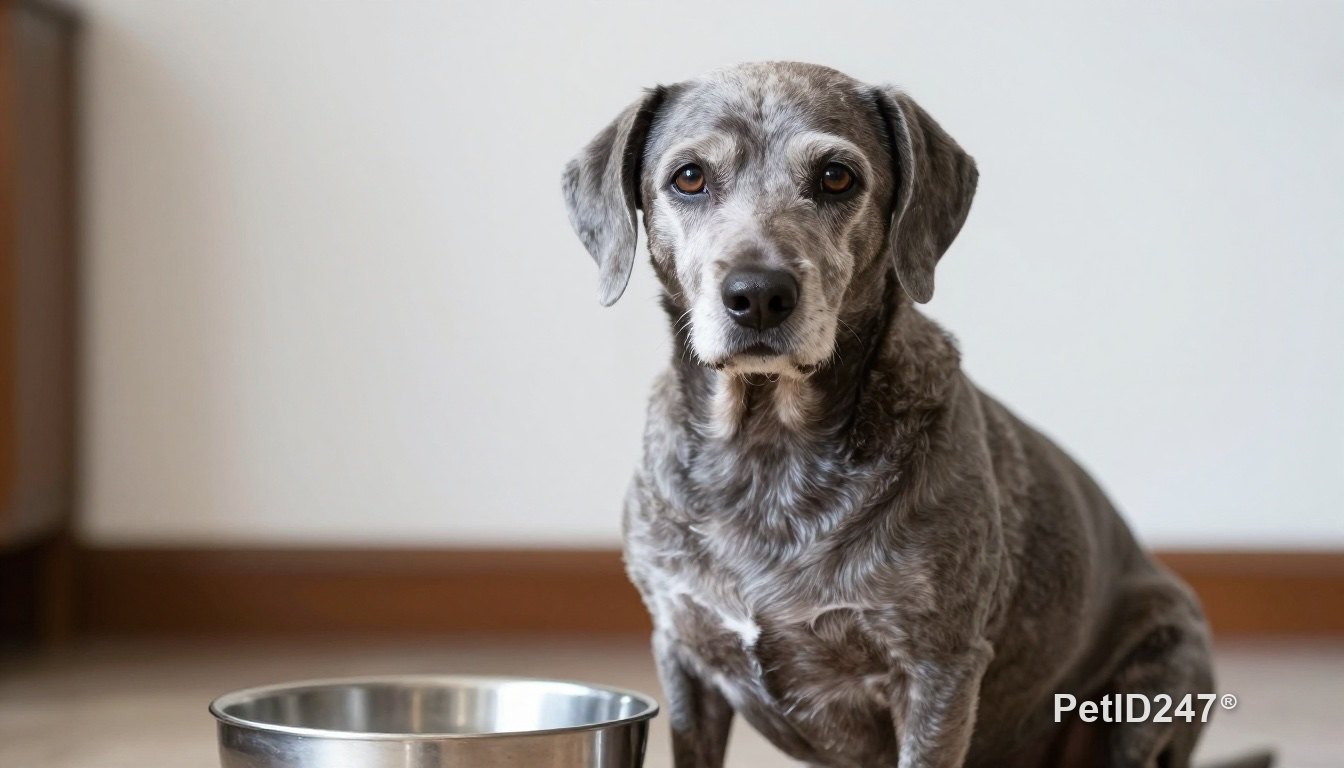
AI-generated illustration
A dog that suddenly drinks and urinates more may just be hot or on a new diet, but it can also signal diabetes, kidney disease or a uterine infection. How to monitor and when to see a vet.
The water bowl empties faster, your dog keeps asking to go out to pee, and it may even have accidents indoors despite being house-trained for years. These changes are easy to overlook because they seem harmless. In fact, increased thirst and urination are among the earliest signs of many internal diseases in dogs, and they deserve your attention.
When drinking more is normal
How much a dog drinks varies with circumstances. The following are usually not a concern if your dog is still eating and playing normally and its intake returns to normal within a few days:
- Hot weather, low humidity or a dry air-conditioned room.
- Recent exercise or lots of running around.
- Switching from wet food to dry kibble. Kibble contains little water, so dogs make up for it by drinking more.
- Eating salty foods, such as human food or salty treats.
- A mother dog nursing puppies.
- Your dog is taking certain medicines prescribed by your veterinarian. If you notice more drinking after starting a medicine, let your vet know.
Diseases that can cause increased thirst and urination
- Chronic kidney disease: the kidneys gradually lose the ability to concentrate urine, so the dog passes lots of dilute urine and drinks to compensate. Common in older dogs, along with weight loss, vomiting and bad breath.
- Diabetes: the dog drinks a lot, pees a lot and eats a lot, yet loses weight. Rapidly developing cataracts may also appear.
- Hyperadrenocorticism (Cushing's syndrome): usually in middle-aged and older dogs. Comes with a big appetite, a pot belly, hair loss on both sides of the body, thin skin and heavy panting.
- Pyometra (pus-filled uterus): in unspayed females, usually a few weeks after a heat cycle. Comes with lethargy and loss of appetite, with or without pus-like vaginal discharge. This is an emergency.
- Liver disease: with loss of appetite, vomiting, and yellowing of the skin or eyes.
- Urinary tract infection: frequent peeing in small amounts, straining, and urine with an unusual smell or blood.
- High blood calcium and other hormonal disorders: less common, and only found through testing.
Many of these diseases share overlapping signs. Only blood and urine tests can tell them apart.
Monitoring at home before the visit
You can help your veterinarian a great deal by keeping notes for a few days:
- Measure water intake: fill the bowl using a measuring cup, measure what's left at the end of the day, and subtract. Do this for two or three days in a row. In multi-pet homes, give your dog its own water during this time.
- Count trips to pee, and note whether urine is clear or dark, smells unusual or contains blood.
- Watch for leaking: your dog wets its bed while sleeping or can't hold it like before.
- Weigh your dog: any recent weight loss or gain.
- Note other changes: eating more or less, vomiting, hair loss, a bigger belly, tiredness.
- Collect a urine sample: if possible, catch the first morning urine in a clean container and bring it to the vet within a few hours. Ask the clinic beforehand how best to collect it.
What not to do
- Don't restrict water to make your dog "pee less." Dogs with kidney disease or diabetes need to drink to replace lost fluids. Cutting water can quickly lead to dehydration and make things worse.
- Don't switch to a "kidney" diet or any special diet without a diagnosis.
- Don't punish accidents in the house. Your dog isn't doing it on purpose; it's a sign something is wrong.
- Don't give medicines such as diuretics, antibiotics or human drugs on your own. Use any medicine only as directed by your veterinarian.
While you wait for the appointment, let your dog out more often and put an absorbent pad on its bed to keep it comfortable.
When to see a vet
- Increased drinking and urination lasting more than a few days with no clear reason such as heat, exercise or a diet change.
- Along with weight loss, an unusually big appetite, or loss of appetite.
- An unspayed female drinking more, lethargic or off her food after a heat cycle, with or without discharge: go right away.
- Vomiting, diarrhea, unusual-smelling breath or lethargy.
- Straining to pee, blood in the urine, or straining without producing urine: go right away.
- Senior dogs: have regular checkups with blood and urine tests on the schedule your vet recommends, to catch kidney and hormonal disease early.
This article was prepared with the help of artificial intelligence tools and reviewed by the PetID247 editorial team before publication. It is for reference only and does not replace an examination by a veterinarian. How we write our articles