Cleaning Your Cat's Eyes and Ears the Right Way
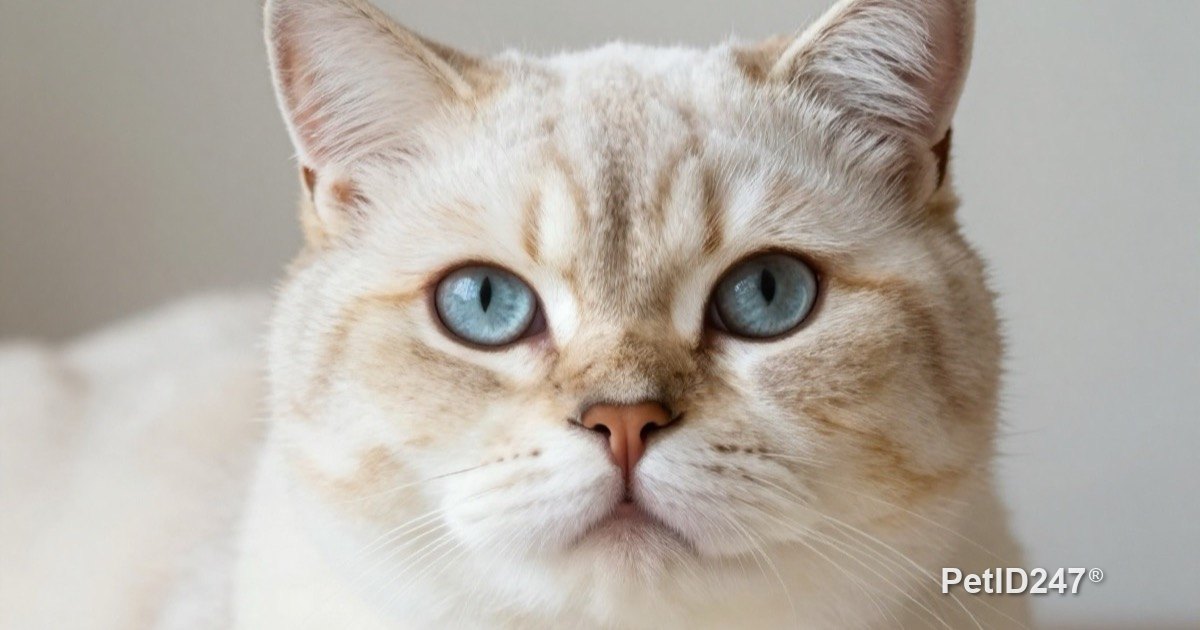
AI-generated illustration
Wiping the eyes and checking the ears regularly helps you catch infections and ear mites early. Learn a gentle, safe routine and the warning signs to watch for.
The eyes and ears are sensitive areas that cats can't fully clean on their own. Just a few minutes a week spent looking and gently wiping can help you spot many problems before they become serious. The key is doing it correctly, because over-cleaning can also cause harm.
What healthy eyes and ears look like
Knowing what's normal helps you notice what isn't:
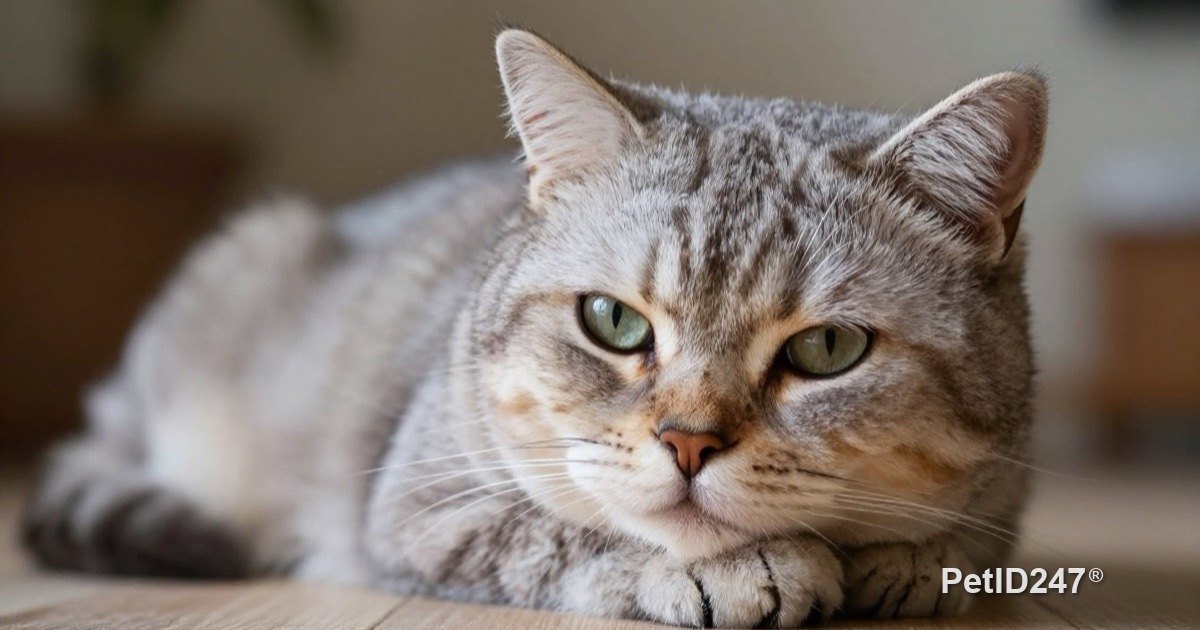
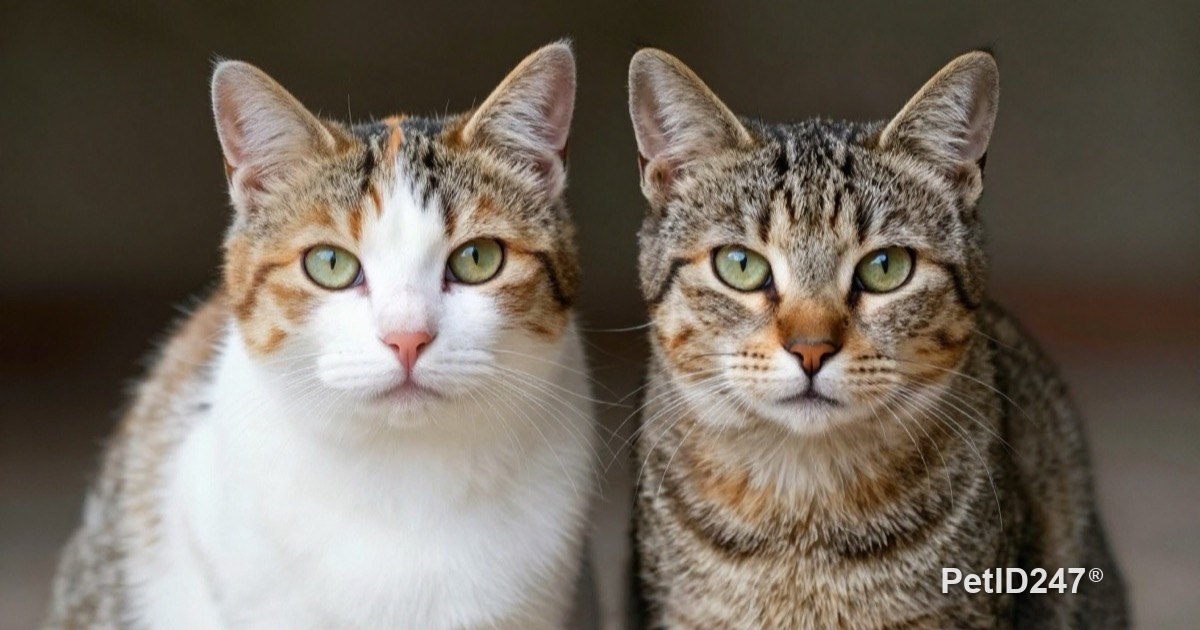
- Healthy eyes: bright, clear and equally open. The whites are not red. A little dry, light brown crust in the inner corner, especially after sleep, is normal.
- Healthy ears: the inside of the ear flap is pale pink, clean or with only a small amount of light brown wax, and has no unpleasant smell.
Flat-faced breeds such as Persians and Exotics often have more tearing because of the shape of their tear ducts, which can leave brown stains under the eyes. These cats need their eyes wiped more often.
How to clean your cat's eyes
What you need
- Clean cotton pads or soft gauze. Use a separate piece for each eye so you don't spread dirt from one eye to the other.
- Clean, boiled and cooled warm water, or a pet eye-cleaning solution recommended by your veterinarian.
- A towel to wrap your cat gently if it tends to wriggle.
Steps
- Choose a time when your cat is relaxed and sit with it in good light.
- Moisten the cotton with warm water and squeeze out the excess so it doesn't drip.
- Hold the cotton on any dried crust for a few seconds to soften it, then wipe gently from the inner corner outward.
- Never rub the eyeball or poke at the eye with a cotton swab.
- Use a fresh pad for the other eye, then gently dry the fur around it.
- Praise and reward your cat when you're done.
Don't use human eye drops or leftover medication from a previous illness. Some eye drops can make things much worse if the cornea is ulcerated.
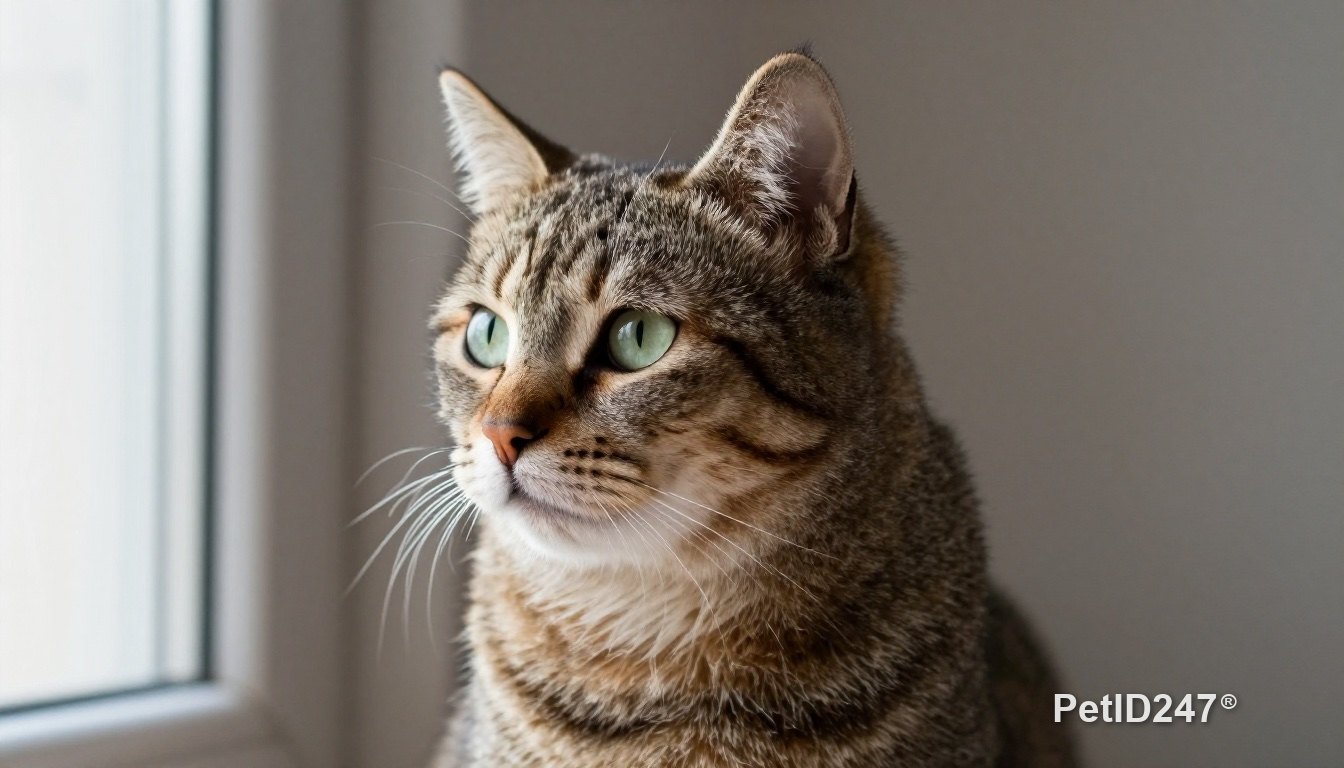
How to check and clean the ears
Most healthy cats don't need regular ear washing. The main job is a weekly check and wiping only the visible part when it's dirty.
- Gently fold back the ear flap, look at the skin color and any debris, and sniff for unusual odors.
- If it's a little dirty, wrap soft gauze around your finger, moisten it lightly with a cat ear-cleaning solution, and wipe the inside of the flap and the folds you can see.
- Never push a cotton swab deep into the ear canal. A cat's ear canal is L-shaped, and swabs can push debris deeper and may damage the eardrum.
- Don't use alcohol, hydrogen peroxide, oils or homemade mixtures to clean the ears.
If your veterinarian recommends an ear cleaner, follow their instructions on how and how often to use it, and read the product label carefully.
Common warning signs
Eyes
- Heavy discharge that is yellow or green, or that glues the eyelids together.
- Squinting or keeping one eye closed, sensitivity to light.
- Red whites, swollen eyelids, a cloudy eye, or a white membrane partly covering the eye.
- Watery eyes with sneezing and a runny nose. This may be an upper respiratory infection, which is very common in kittens and newly adopted cats.
Ears
- Dark brown, dry, crumbly debris that looks like coffee grounds. This is a common sign of ear mites, which spread easily between pets living together.
- A bad smell, discharge, redness or swelling.
- Constant ear scratching, head shaking, or a head tilt.
- An ear flap that puffs up like a fluid-filled pouch, usually from intense scratching and head shaking.
When to see a vet
Take your cat to the vet promptly if:
- Your cat is squinting or keeping an eye closed, or the eye is red, cloudy or has yellow-green discharge. Eye problems can progress quickly, so aim for a same-day visit if possible.
- There is an eye injury, for example after a fight with another cat.
- The ears have dark brown debris, a bad smell or discharge, or your cat scratches its ears or shakes its head a lot.
- Your cat tilts its head, walks unsteadily or loses its balance.
Don't treat ear mites or ear infections yourself with products recommended by word of mouth. Your vet needs to examine the ear to find the real cause and prescribe the right product. If you have several pets, ask whether the others should be checked too.
This article was prepared with the help of artificial intelligence tools and reviewed by the PetID247 editorial team before publication. It is for reference only and does not replace an examination by a veterinarian.