Cat Not Drinking Enough Water? Tips to Help Your Cat
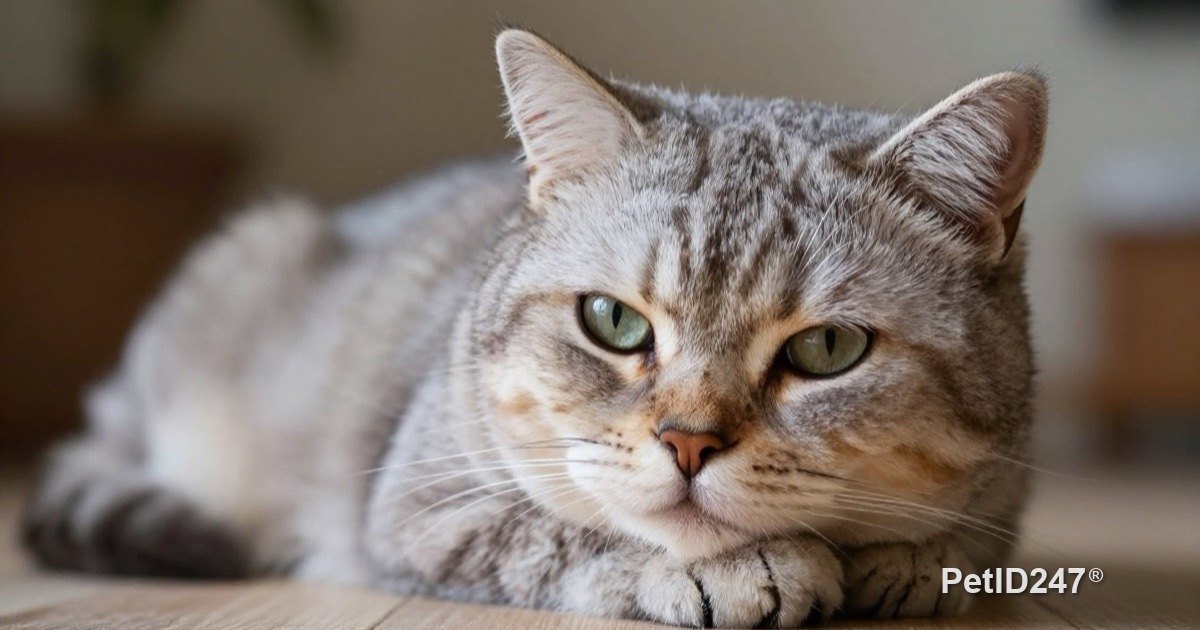
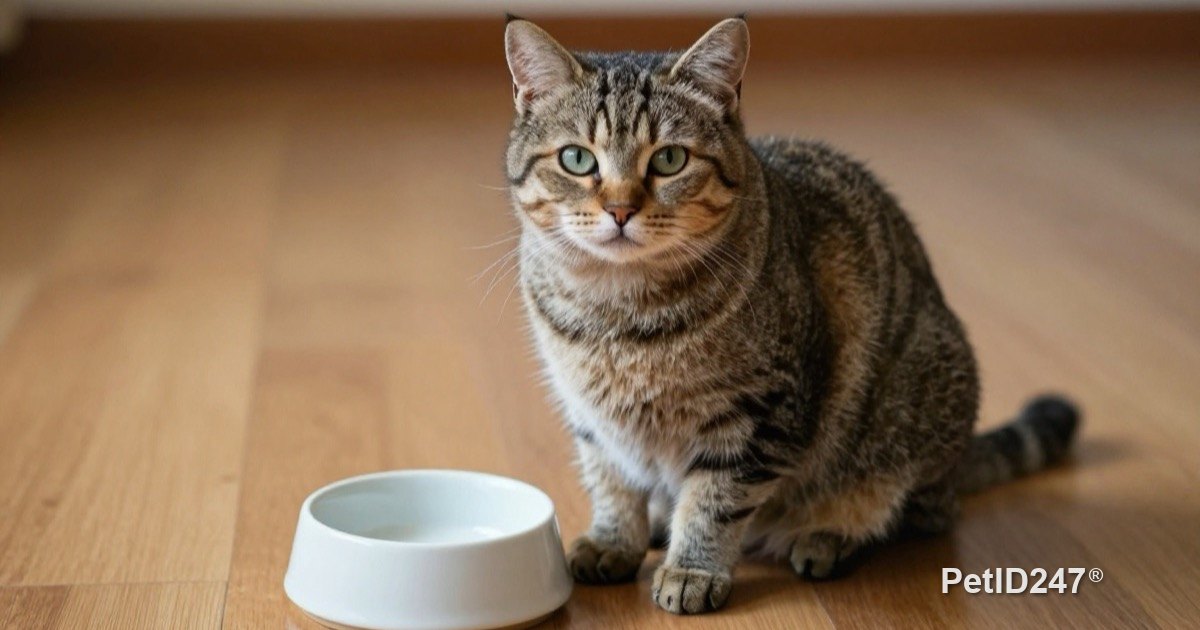
AI-generated illustration
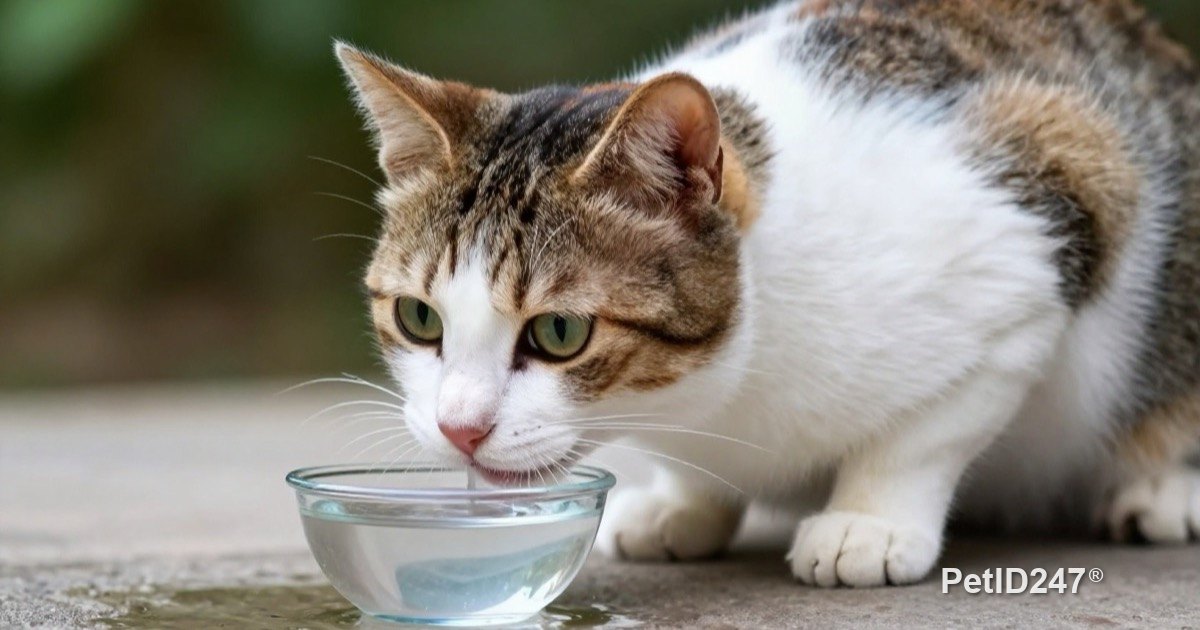
Cats have a weak thirst drive and easily drink too little. Simple tips on bowls, placement and wet food help your cat stay hydrated and protect the urinary tract.
You rarely see your cat at the water bowl, and you wonder whether they are getting enough. That worry is reasonable: cats naturally have a weak sense of thirst. Drinking too little over a long period is linked to urinary tract problems, so helping your cat drink enough is a small task that is well worth the effort.
Why cats drink so little
The ancestors of domestic cats lived in dry regions and got most of their water from their prey. Prey meat contains a lot of water, so cats didn't need to drink much. Today's cats still have this trait: they only go to drink when their body is already fairly short of water.
When a cat eats mostly dry kibble, the water coming from food drops sharply. If the cat doesn't make up for it by drinking, the urine becomes more concentrated. Concentrated urine over time is one of the factors that favor stones, crystals and bladder inflammation.
How much water a cat needs each day depends on body weight, weather, activity and type of food, and it includes the water in their food. You don't need to measure precisely: what matters is that your cat drinks regularly, the urine isn't too concentrated and your cat stays alert. If you are unsure, ask your veterinarian what is right for your cat.
Water bowls: choosing and placing them well
- Wide and shallow: many cats dislike their whiskers touching the sides of a narrow bowl. A wide bowl filled almost to the top lets them drink more comfortably.
- Easy-to-clean materials: ceramic, glass or stainless steel hold less odor than plastic.
- Away from the food bowl: in the wild, cats don't drink near their prey. Put the water bowl some distance from the feeding spot.
- Away from the litter box: nobody wants to drink next to the toilet, and cats are no different.
- Several drinking spots: put a few bowls in different rooms, especially where your cat likes to rest. Multi-cat homes need even more drinking spots to avoid competition.
- Quiet places: avoid busy walkways, spots next to the washing machine or noisy areas.
Tips to encourage your cat to drink more
Always clean, fresh water
Change the water at least once a day and wash the bowl often so no slimy film builds up. Many cats abandon a bowl simply because stale water smells, or has hair and dust floating on top.
Try running water
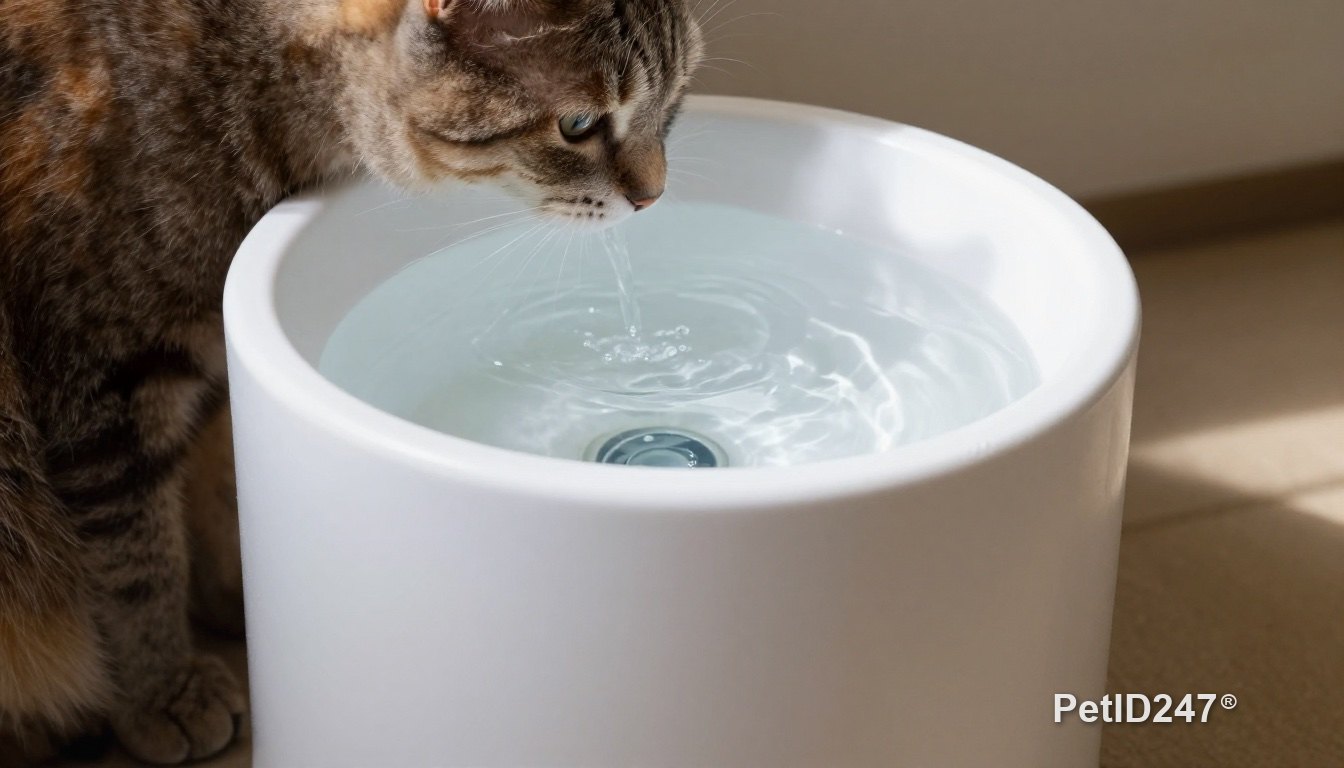
Quite a few cats prefer moving water. A fountain-style water dispenser for cats can help these cats drink more. If you use one, clean it and replace the filter according to the manufacturer's instructions. A dirty fountain is worse than an ordinary bowl.
Add water through food
For many cats, this is the most effective approach:
- Feed more wet food, such as pâté or food in gravy, since it contains far more water than dry kibble.
- Mix a little warm water into the wet food.
- You can lightly moisten dry kibble just before mealtime, but don't leave it out for long because it spoils easily.
When switching to a diet with more wet food, adjust the total amount so your cat doesn't gain weight. Change foods gradually over about a week to avoid digestive upset.
Other small tips
- Try different kinds of bowls to see which one your cat prefers.
- Some cats like to drink from higher places, such as a bowl on a shelf or a safe windowsill.
- You can offer a little unsalted meat or fish broth, with no onion, garlic or seasoning, as a treat to boost water intake.
- Regular exercise and play also make cats thirsty and more likely to drink.
How to tell if your cat is dehydrated
You can watch for a few signs at home:
- Urine clumps in the litter box are smaller and fewer than usual.
- Stools are dry and hard, and your cat strains to pass them.
- Gums feel dry and tacky instead of moist.
- Your cat is lethargic and the eyes look sunken.
On the other hand, a cat that suddenly drinks a lot is not a good sign either. Drinking and urinating more can be a sign of kidney disease, diabetes or thyroid problems, especially in older cats.
When to see a vet
Take your cat to a veterinarian if you notice:
- Your cat sits in the litter box for a long time but passes very little or no urine. In male cats this can be a urethral blockage, an emergency that needs care the same day.
- Blood in the urine, crying while urinating, frequent urination or urinating outside the box.
- Your cat drinks and urinates much more than before.
- Your cat is lethargic, refuses food or vomits along with signs of dehydration.
Your veterinarian can run urine and blood tests to find the cause. If your cat has a history of urinary problems, ask your vet about the diet and water intake that are right for your cat.
This article was prepared with the help of artificial intelligence tools and reviewed by the PetID247 editorial team before publication. It is for reference only and does not replace an examination by a veterinarian.