Cat Body Language: Reading the Tail, Ears and Eyes
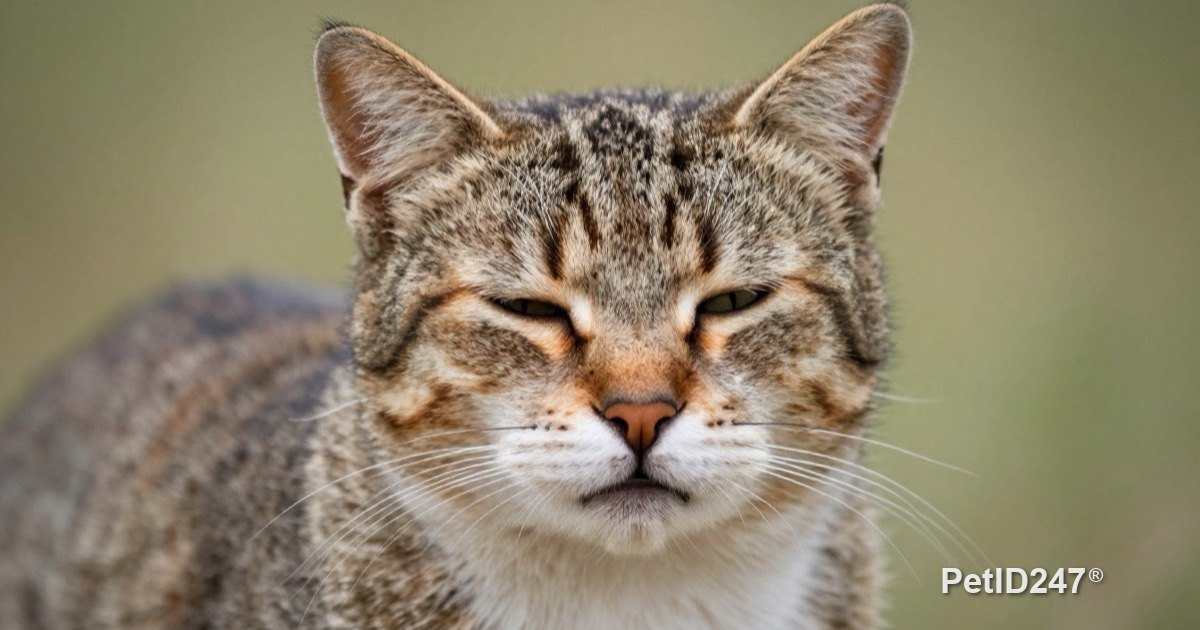
AI-generated illustration
Cats say a lot with their tail, ears, eyes and posture. Learn to read these signals to know when your cat is happy, scared or wants to be left alone.
Cats rarely meow to communicate with each other. Most of what a cat has to say is expressed through the tail, ears, eyes and the way it stands or lies down. Once you can read these signals, you will understand your cat better and avoid surprise scratches.
One key rule: read the whole body and the context, not just one part. The same tail position can mean different things depending on posture and situation.
The tail
- Held straight up, tip slightly curved like a question mark: friendly, a happy greeting. Cats often raise their tail as they walk toward you.
- Held low or tucked against the body: anxious, scared, wanting to make themselves small.
- Puffed up: frightened or threatened, trying to look bigger. Often comes with an arched back.
- Lashing hard from side to side or thumping the floor: annoyed or irritated. This is the time to stop petting.
- Tip twitching slightly: focused and alert, sometimes the start of irritation.
- Wrapping the tail around your leg or another cat: affection, much like putting an arm around someone's shoulder.
Note: unlike dogs, a cat wagging its tail vigorously usually does not mean it is happy.
Ears and eyes
The ears
- Upright and facing forward: curious, relaxed, paying attention.
- Turned sideways like airplane wings: uneasy or irritated.
- Flattened back against the head: frightened or ready to defend. Don't try to touch your cat at this point.
- Constantly swiveling: listening to sounds around them.
The eyes
- Slow blinking, half-closed eyes: relaxed and trusting. Try slow-blinking back; many cats will blink in return.
- Wide, dilated pupils: excitement during play, fear, or simply a dark room. Look at the ears, tail and posture to understand which.
- Narrow pupils in moderate light with a fixed stare: may mean intense focus or tension.
- An unblinking stare at another cat: may be a challenge. Polite cats usually look away.
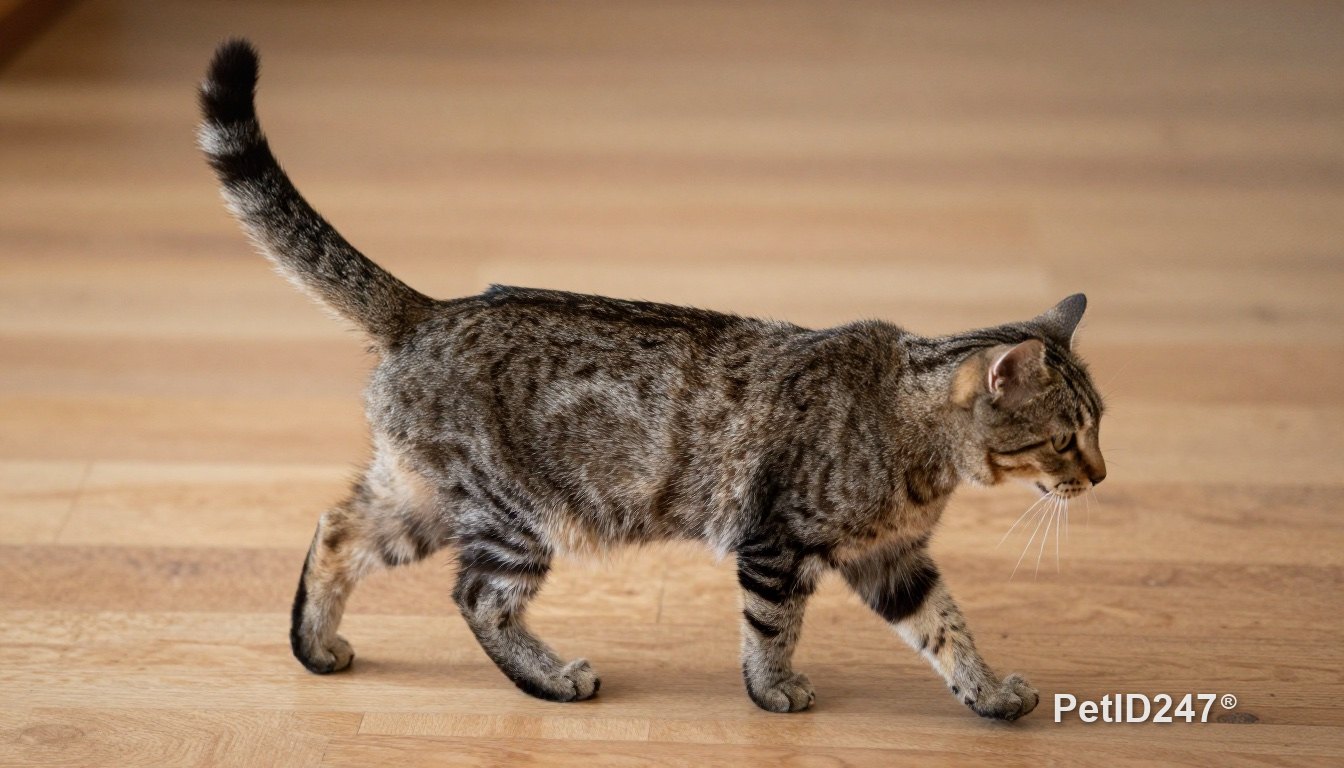
Posture and sounds
Body posture
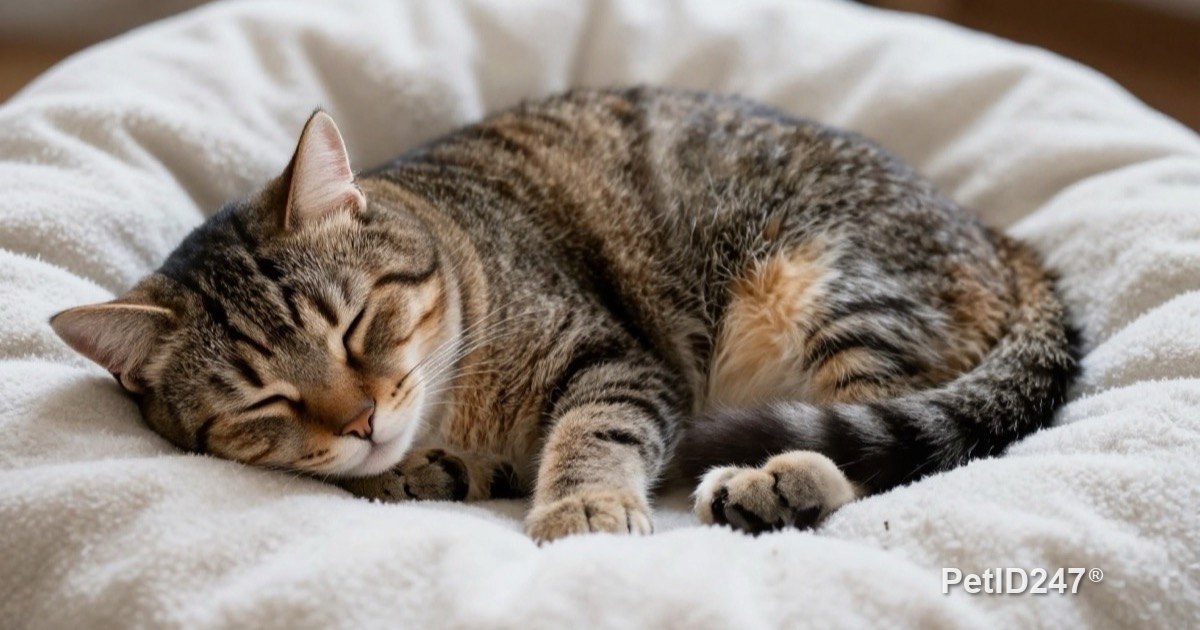
- Stretched out or lying on the back: comfortable and feeling safe. But showing the belly does not mean an invitation for a belly rub. Many cats will grab your hand, bite and kick if their belly is touched.
- Sitting in a tight "loaf" with all four paws tucked under: usually relaxed, but with wide eyes and a tense body it may mean the cat is unwell or anxious.
- Crouched low, body hunched, ready to flee: fear.
- Arched back, raised fur, standing sideways: fear mixed with defensiveness, wanting the other party to back off.
- Head-butting and rubbing cheeks against you: scent-marking you as family.
- Kneading with the front paws: a behavior left over from nursing as a kitten, usually a sign of contentment.
Sounds
- Meowing: adult cats meow mainly to talk to people, usually to ask for something.
- Purring: usually means contentment, but cats may also purr when in pain, sick or stressed to soothe themselves.
- Hissing, growling, spitting: a clear warning. Step back and give your cat space.
- Chattering while watching birds through the window: excitement at seeing prey.
Summary
When petting your cat, watch for signs they have had enough: the tail starts to lash, the skin on the back twitches, the ears turn sideways, or your cat turns to look at your hand. Stopping in time helps you avoid sudden "love bites". Most cats prefer being stroked on the cheeks, chin and head rather than the belly, legs or tail.
- Tail up, slow blinks, head-butting: your cat is comfortable and trusts you.
- Flattened ears, dilated pupils, a puffed or lashing tail: your cat is scared or annoyed, so give them space.
- Always read the whole body and the context, not a single signal on its own.
- If your cat's behavior suddenly changes, such as hiding more, becoming irritable, purring while lying still in one place, or not letting you touch a part of the body, consider that your cat may be in pain and take them to the vet.
This article was prepared with the help of artificial intelligence tools and reviewed by the PetID247 editorial team before publication. It is for reference only and does not replace an examination by a veterinarian.