Caring for Orphaned Kittens: Warmth and Bottle Feeding
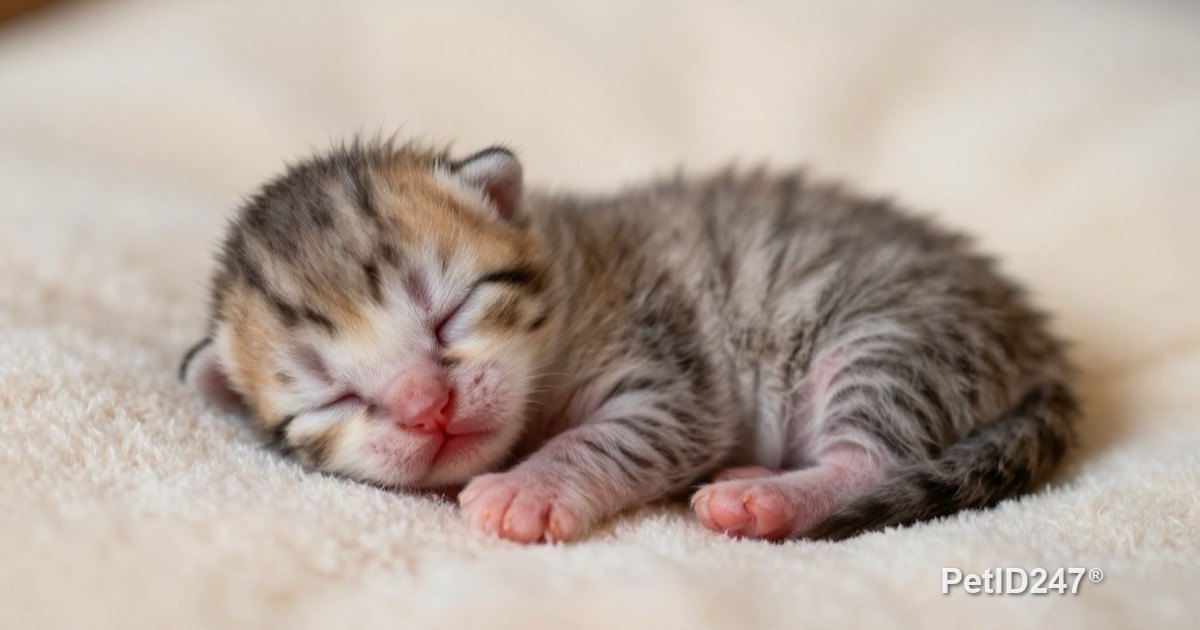
AI-generated illustration
Newborn kittens without a mother need warmth, safe bottle feeding and help going to the toilet. Learn the basics and the signs that mean a vet visit right away.
Finding a litter of tiny newborn kittens, or having a mother cat who can't care for her young, leaves many people unsure what to do. Newborn kittens are very fragile and need care almost around the clock. The first step is to contact a veterinarian early; while you wait, keep the kittens warm as described below.
First: are the kittens really orphaned?
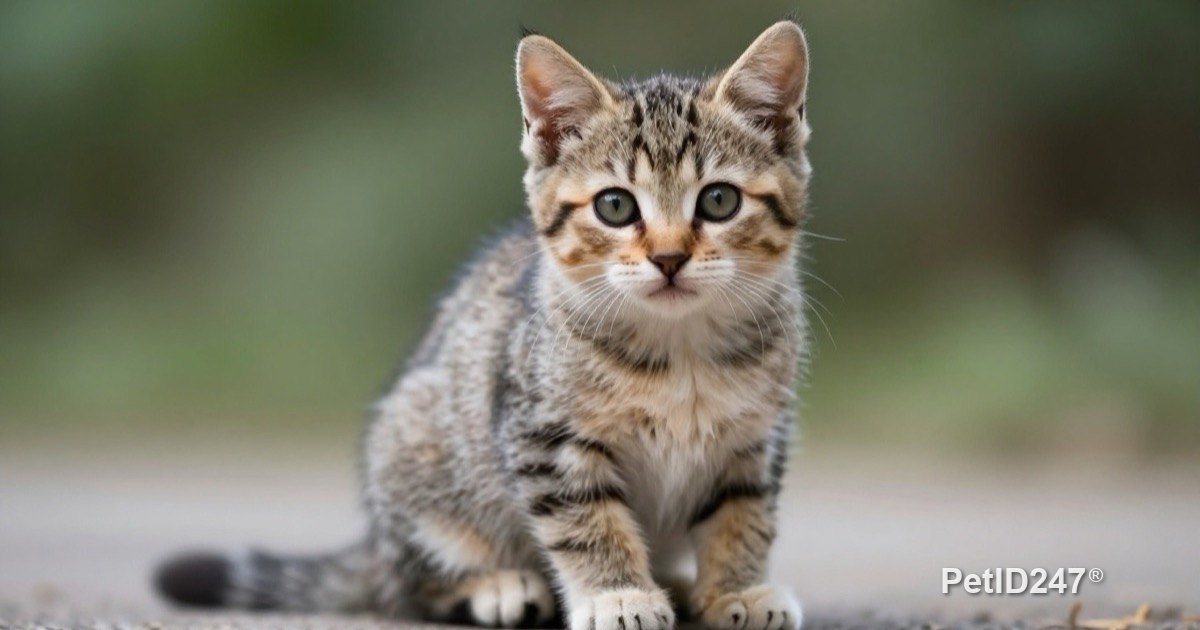
If you find kittens alone outdoors, the mother may simply be away looking for food. Watch from a distance for a while if the kittens look warm, clean and quiet. On the other hand, step in right away if they are cold, wet, crying constantly, in a dangerous spot, or the mother is definitely not coming back.
Estimating their age helps your vet give you more accurate advice:
- Under about 1 week: eyes closed, ears folded, umbilical stump still attached.
- About 1–2 weeks: eyes starting to open, usually blue.
- About 3 weeks: baby teeth coming in, starting to crawl and stand wobbly.
- About 4 weeks and older: walking more steadily, curious, may be ready to start trying food.
Warmth comes first
In the first few weeks, kittens can't regulate their own body temperature and lose heat very quickly. A chilled kitten becomes weak and can't digest milk.
- Use a box or basket with sides, lined with several layers of soft towels.
- Provide a heat source such as a warm water bottle or heat pack wrapped in a thick towel, placed on only one side of the nest. Kittens need room to crawl away if they get too warm.
- Never let kittens lie directly on the heat source, and keep them away from drafts and fans.
- If a kitten feels cold, warm it gradually first, don't feed it while its body is still cold, and call a vet right away.
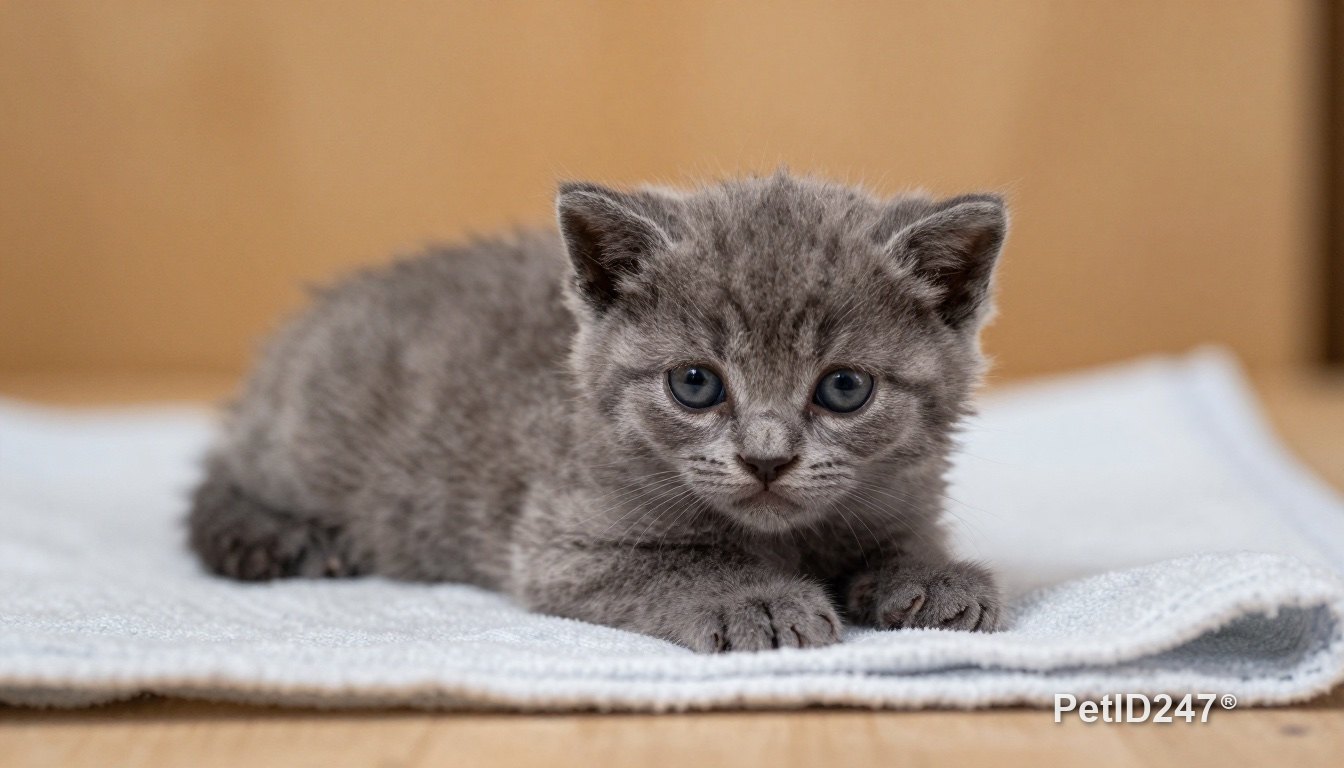
Bottle feeding the right way
Choosing milk
Don't give kittens cow's milk, human milk or condensed milk. These don't suit a kitten's digestive system and easily cause diarrhea and dehydration. Ask your veterinarian about a milk replacer made specifically for kittens, how to prepare it, how much to give per feed and how many feeds a day suit the kitten's age and weight. Read the product label carefully and mix exactly as directed, never stronger or weaker.
Position and technique
- Wash your hands and use a bottle or feeding device made for newborn animals, washed and rinsed clean.
- Warm the milk moderately; a drop on your wrist should feel just warm.
- Place the kitten on its belly on a towel, head slightly raised, as if nursing from its mother. Never feed a kitten lying on its back like a human baby, because milk can easily go into the lungs.
- Let the kitten suck at its own pace. Don't squeeze the bottle to force milk out.
- If milk bubbles out of the nose, stop immediately, wipe it clean, hold the kitten with its head tilted slightly down and contact your vet.
Newborn kittens need to feed many times, day and night. Follow your veterinarian's advice on the exact feeding schedule.
Helping kittens toilet and tracking weight
Young kittens can't pee or poop on their own. The mother normally licks them to stimulate this. You can take her place by:
- After each feed, gently stroking the lower belly and bottom with cotton or a soft cloth dampened with warm water until the kitten pees and poops.
- Cleaning and patting dry so the skin doesn't get sore.
- Noting the color and consistency of the stool. Runny or bloody stool, or several days without a bowel movement, should be reported to your vet.
Weigh each kitten every day at the same time on a kitchen scale and keep a log. Healthy kittens gain weight steadily. No gain or any weight loss is the earliest warning sign.
When to see a vet
Orphaned kittens should be seen by a veterinarian as soon as possible. Go right away if a kitten:
- Is cold, limp, barely moving or refuses to feed.
- Chokes on milk, has milk coming from the nose, wheezes or breathes with its mouth open.
- Has diarrhea, vomits, or has a tight, bloated belly.
- Doesn't gain weight or loses weight over one to two days.
- Cries constantly and can't be settled, or has swollen, crusted eyes with pus.
- Has fleas, ticks or wounds. Don't use flea products on newborn kittens yourself; all medicines must be given only as directed by your veterinarian.
This article was prepared with the help of artificial intelligence tools and reviewed by the PetID247 editorial team before publication. It is for reference only and does not replace an examination by a veterinarian.