Can Cats Drink Milk? What Every Owner Should Know
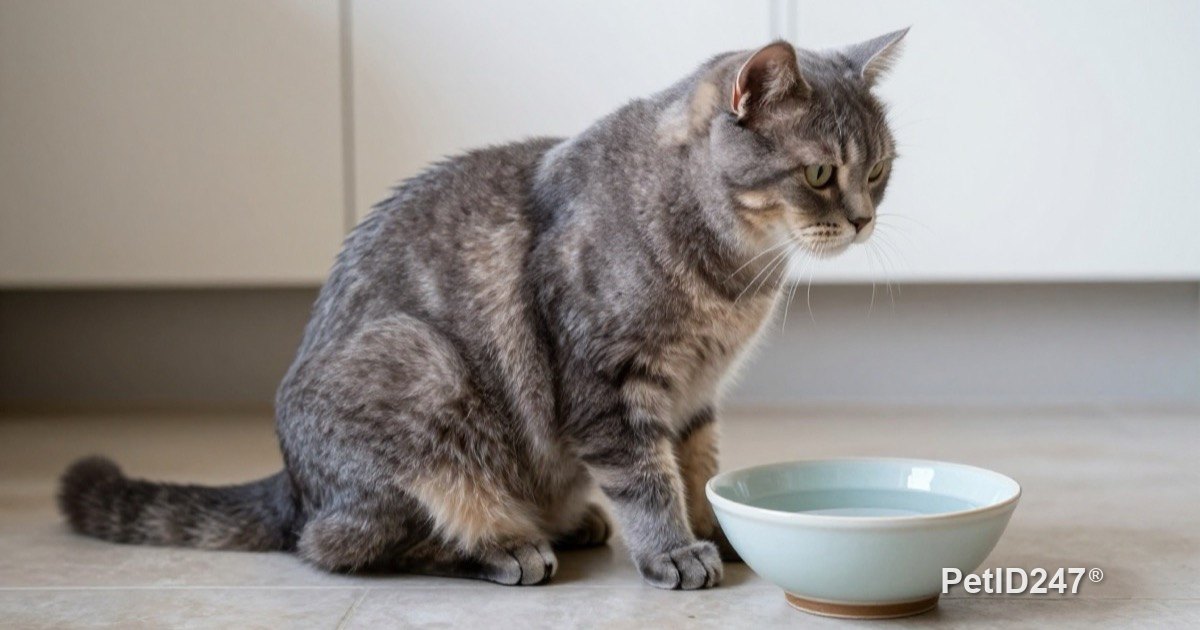
AI-generated illustration
The cat with a saucer of milk is a classic image, but many adult cats can't digest milk well. Learn why, and how to feed an orphaned kitten correctly.
In stories and films, cats are often rewarded with a saucer of cow's milk. So many people believe cats love milk and that it's good for them. In reality, milk can give many cats an upset stomach and diarrhea. This guide explains whether cats should drink milk and how to care for an orphaned kitten properly.
Why many adult cats don't tolerate milk
Milk contains a sugar called lactose. Digesting lactose requires an enzyme called lactase. Nursing kittens have plenty of this enzyme, but after weaning, lactase levels drop in many cats. Lactose that isn't digested in the small intestine passes into the large intestine, where it ferments and draws water into the gut, causing:
- Diarrhea, loose and smelly stools.
- Gas, gurgling and tummy ache.
- Vomiting in some cats.
Tolerance varies from cat to cat. Some can have a little milk without trouble; others get loose stools after a few sips. You can't predict it, so the safest approach is not to treat milk as an everyday drink for your cat.
Liking milk doesn't mean milk is good for them
Cats may love the taste of milk because it's rich in fat and protein. But liking something isn't the same as needing it. Keep in mind:
- Cats don't need milk: a complete cat food already provides all the nutrients. After weaning, clean water is the only drink a cat needs.
- Milk adds calories: regular milk contributes to weight gain, especially in less active indoor cats.
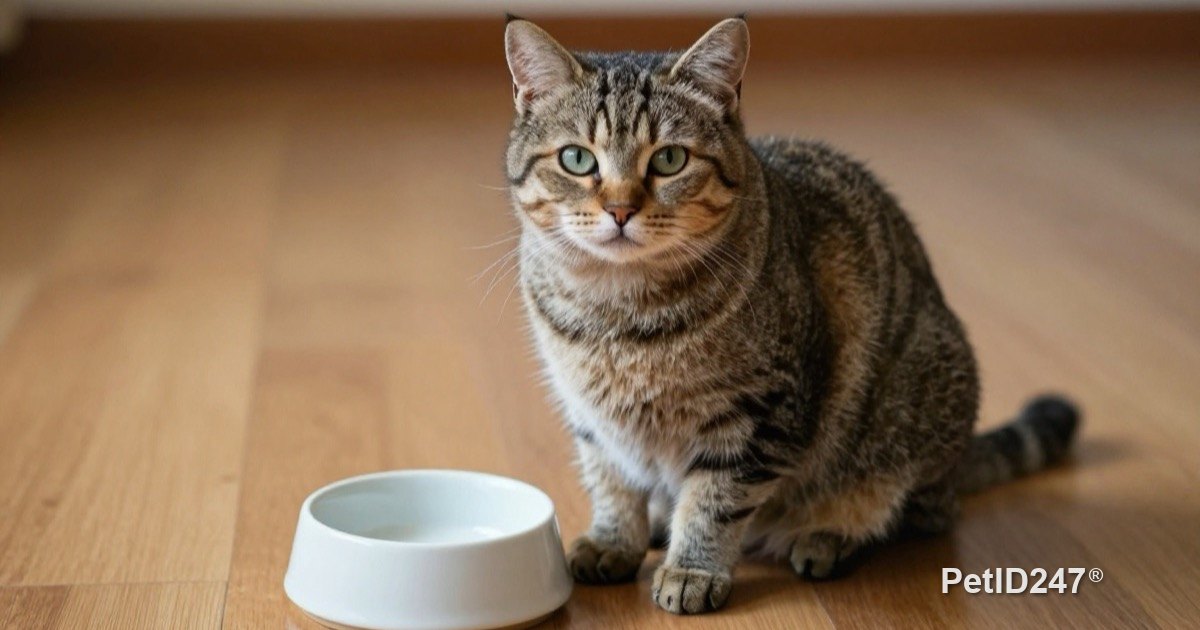
- Milk doesn't replace water: cats that drink milk may drink less water, and cats tend not to drink much to begin with.
- Other dairy products such as ice cream, sweetened condensed milk, rich cheeses and milky desserts aren't suitable for cats either.
If you still want to offer milk now and then
If your cat has never had digestive problems and you'd like to give a little as a treat, consider the following:
- Choose a milk made specifically for cats, with reduced or no lactose, sold at pet stores.
- Give only a very small amount occasionally, and count it as part of the day's treats.
- Watch your cat's stools for a day or two afterward. If they become loose, stop completely.
- Don't give milk to cats with diarrhea, digestive disease or on a prescribed diet.
- Don't use milk to hide medicine without asking your veterinarian, as milk can affect some medications.
If you want to help your cat drink more, there are better options than milk, such as feeding more wet food, putting water bowls in several places, using wide bowls or a cat water fountain.
Orphaned kittens: no cow's milk
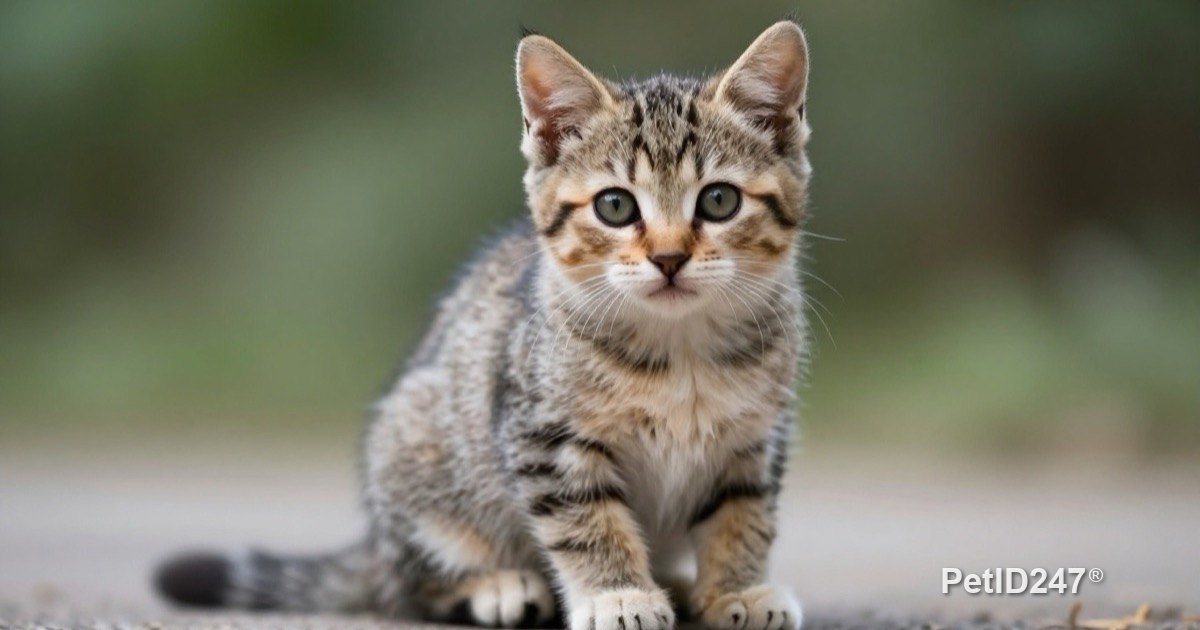
This is the most common mistake. When people find a newborn or abandoned kitten, many give it cow's milk, condensed milk or infant formula. These don't match the composition of a mother cat's milk and can cause diarrhea and dehydration, which are very dangerous for kittens.
What to do
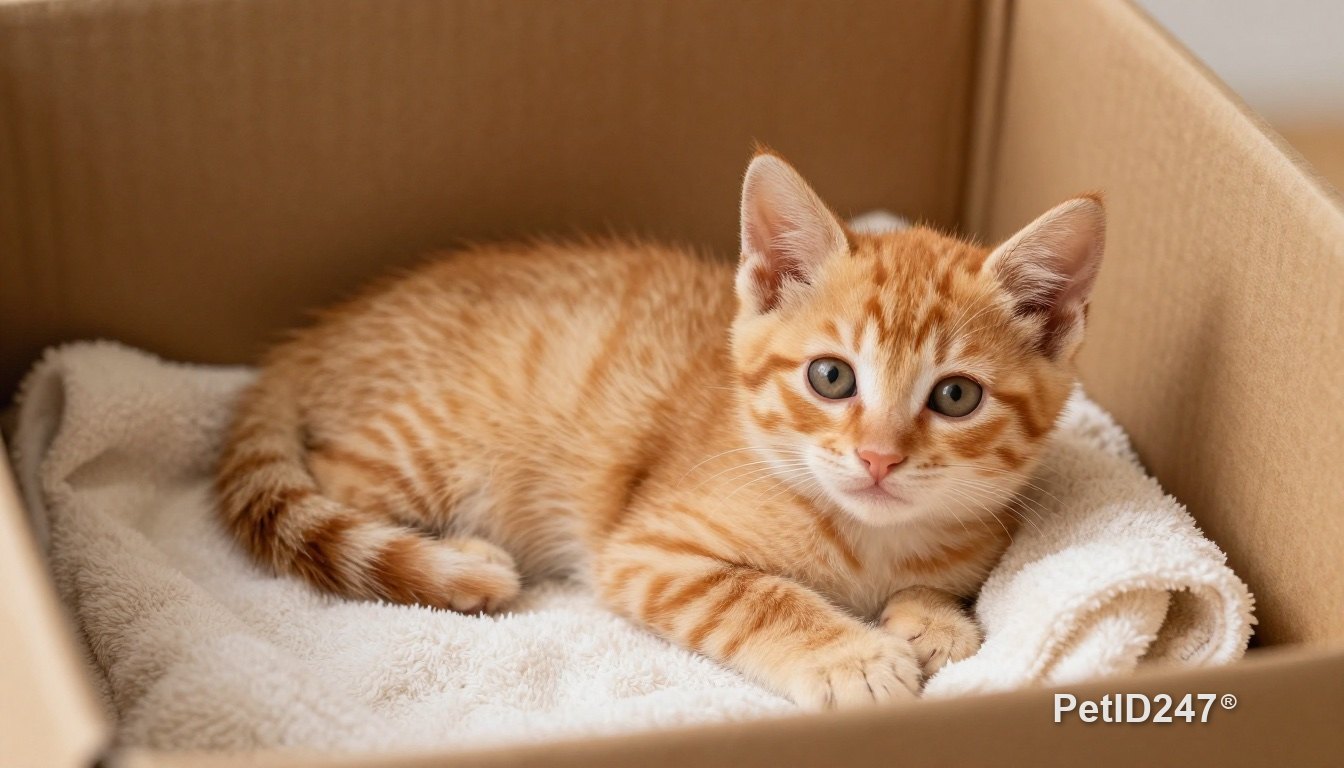
- Warm the kitten first: young kittens can't regulate their body temperature. Line a box with soft towels and add a warm water bottle wrapped in a towel, leaving room for the kitten to move closer to or away from the heat. Don't feed a kitten that is chilled.
- Use a milk replacer made for kittens, mixed exactly as the label says, and feed with a small pet nursing bottle and teat.
- Feed in the right position: the kitten should lie on its tummy with its head slightly raised, as when nursing from its mother. Never feed a kitten on its back, as milk can be inhaled into the lungs.
- Help it toilet: very young kittens need their bottom and genital area gently wiped with warm damp cotton after each feed.
- See a vet early so they can estimate the kitten's age, check its health and advise on feeding amounts and frequency.
When to see a vet
Take your cat to the vet if, after drinking milk or at any time, it has:
- Diarrhea lasting more than a day or two, or blood or mucus in the stool.
- Repeated vomiting, loss of appetite or lethargy.
- Signs of dehydration: dry gums, sunken eyes, or skin on the back that is slow to fall back when gently pinched.
For kittens, any diarrhea, refusal to feed, cold body, weak crying or a swollen belly means seeing a vet right away, because kittens weaken very quickly.
This article was prepared with the help of artificial intelligence tools and reviewed by the PetID247 editorial team before publication. It is for reference only and does not replace an examination by a veterinarian.