Bathing a Cat: When It's Needed and How to Do It
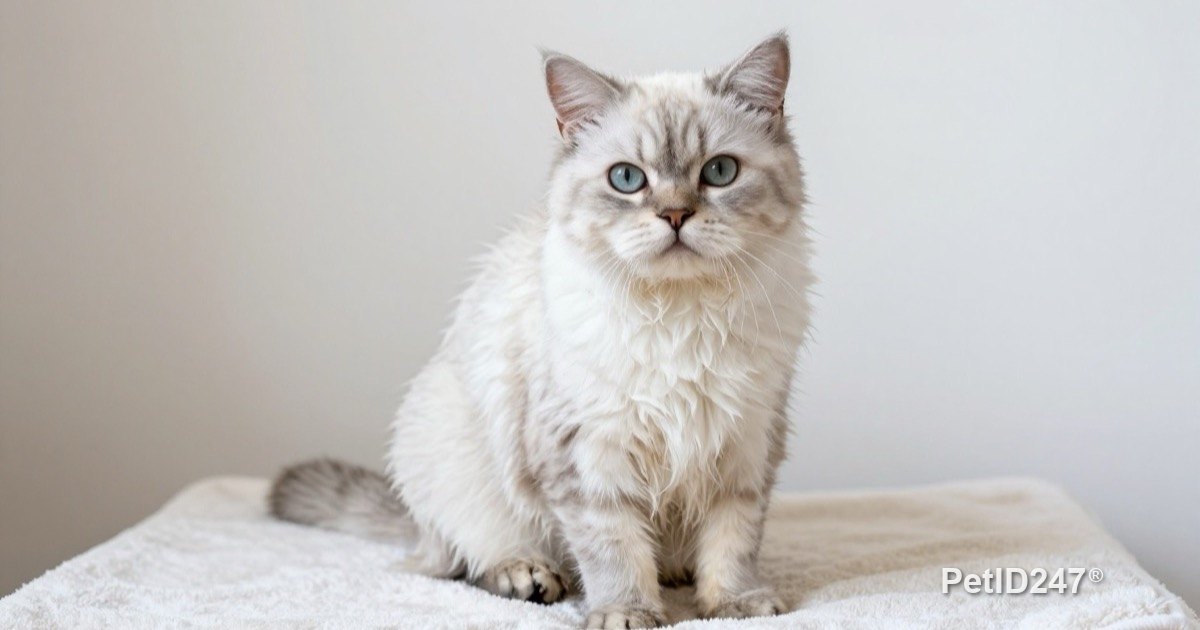
AI-generated illustration
Most cats keep themselves clean and rarely need a bath. Learn when a bath makes sense, what to prepare, and how to wash your cat with less fear and no chill.
Cats spend a lot of time every day grooming themselves, so a healthy cat usually doesn't need regular baths the way dogs do. Bathing too often can also dry out the skin and stress your cat. Still, there are times when a bath is necessary, and knowing how to do it makes it easier on both of you.
When a cat really needs a bath
Consider bathing your cat in these situations:
- Dirt the cat can't clean itself: grease, paint, sticky substances, or feces or urine stuck around the rear.
- Possibly toxic substances on the coat: cleaning chemicals, engine oil, insecticides. Your cat will swallow them while grooming, so clean them off promptly and contact your veterinarian right away.
- Long-haired cats: sometimes need a bath to help with detangling, especially under the tail.
- Senior, overweight or arthritic cats: may be unable to reach their back and rear.
- Skin conditions: when your veterinarian prescribes a medicated wash, follow their instructions exactly on how to use it and how often.
If only one spot is dirty, wiping it with a damp cloth or washing just that area is often enough. There's no need for a full bath.
Getting ready
Good preparation keeps the bath short and your cat calmer. Have everything within reach before you bring your cat in:
- A shampoo made specifically for cats. Don't use human shampoo, because its pH is different and it can dry and irritate the skin.
- Two or three thick towels, and a non-slip mat for the bottom of the basin or tub.
- A suitably sized basin or sink, a gentle handheld shower or a jug for pouring.
- Lukewarm water; it should feel just warm on the inside of your wrist.
- A warm, draft-free room with the door closed, so a wet cat can't run off.
Trim the claws a day or two before and brush thoroughly to remove tangles. Mats get tighter when wet and become very hard to remove.
Important: many flea and tick products made for dogs contain ingredients that are highly toxic to cats. Never use dog products on a cat, and don't use scented essential oils, as many of them are harmful to cats.
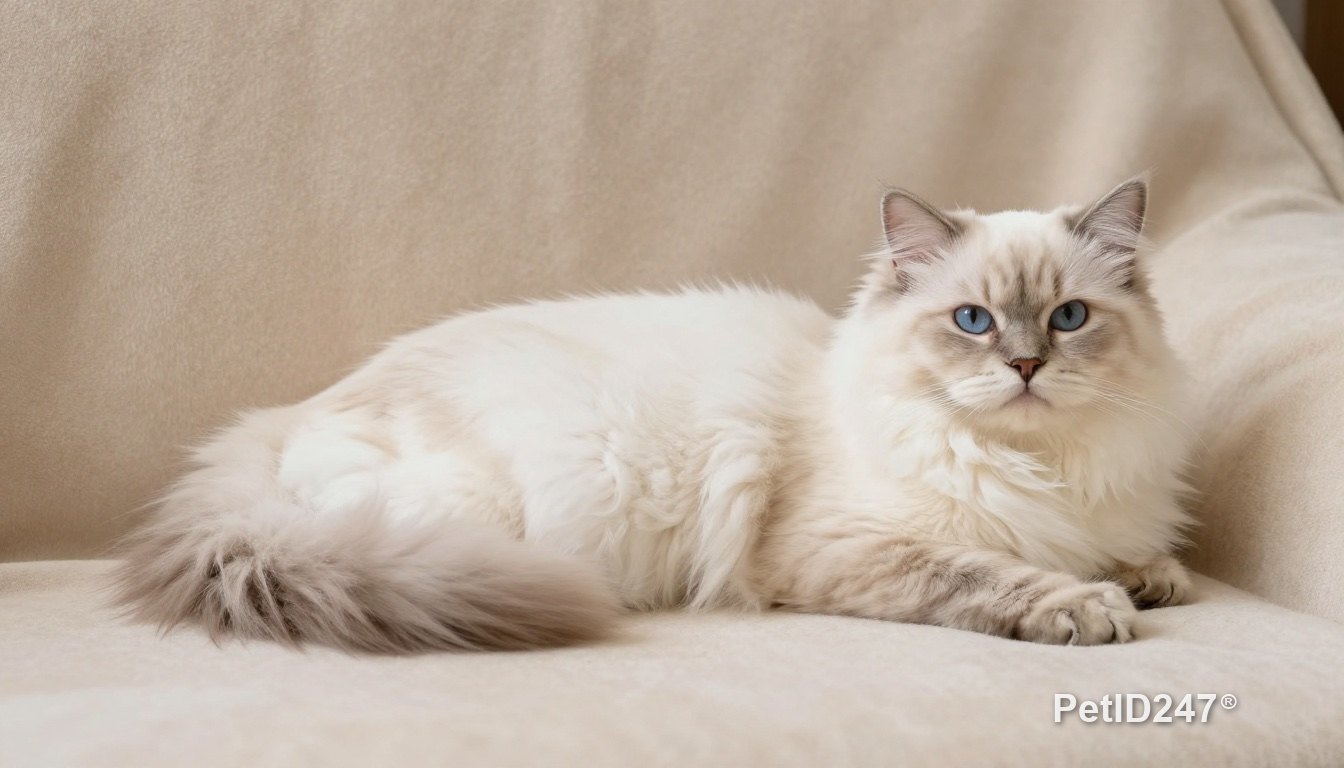
How to bathe your cat
- Stay calm: speak softly and move slowly. Cats pick up on your tension.
- Wet gradually: stand your cat on the non-slip mat and pour water from the neck down over the body, legs and tail. Avoid spraying the face and ears.
- Apply shampoo: dilute a little shampoo as the label directs and massage gently in the direction of the fur, focusing on dirty areas.
- Rinse thoroughly: keep rinsing until the coat no longer feels slippery and there are no suds. Leftover shampoo makes the skin itchy, and your cat will lick it.
- Clean the face separately: wipe around the face with a damp cloth instead of pouring water over the head.
- Wrap in a towel right away: lift your cat out, wrap and blot, and switch to a dry towel once the first is soaked.
Drying and keeping warm
A wet cat loses heat very quickly, especially kittens, seniors and in cold weather. Blot thoroughly with towels and keep your cat in a warm room until the coat is completely dry. If your cat tolerates a hair dryer, use only a low warm setting, hold it at a distance and keep it moving so the skin doesn't get burned. Many cats are afraid of the noise; if so, don't force it.
Helping your cat be less afraid of water
If your cat needs regular baths, practice gradually, ideally from a young age:
- Let your cat explore an empty basin, then one with a little warm water in the bottom, with rewards.
- Keep each session very short and stop while your cat is still calm.
- Have a second person gently help hold your cat if needed, but never pin it down or lift it by the scruff.
- Give a favorite treat right after the bath.
If your cat panics and scratches or bites hard, stop. Forcing a bath can injure you both and leave your cat fearful for a long time. In that case, ask an experienced pet grooming service for help, or ask your veterinarian about other options.
Summary
- Healthy cats rarely need a bath; bathe only for dirt they can't clean, long coats, senior cats or as part of prescribed treatment.
- Use a cat-specific shampoo, never dog products or essential oils.
- Prepare everything first, use lukewarm water, rinse well and dry thoroughly.
- If your cat's skin is red, has patchy hair loss, is very itchy or smells unusual, see a vet rather than bathing more.
This article was prepared with the help of artificial intelligence tools and reviewed by the PetID247 editorial team before publication. It is for reference only and does not replace an examination by a veterinarian.